
The enduring appeal of Maasai tradition in modern Kenya lies in its rare ability to remain deeply rooted in heritage while continuing to shape the country’s identity, imagination and global image. From tourism branding to cultural ceremonies and fashion, the Maasai community remains one of Kenya’s most recognisable cultural symbols, even as the country becomes more urban, digital and globally connected.
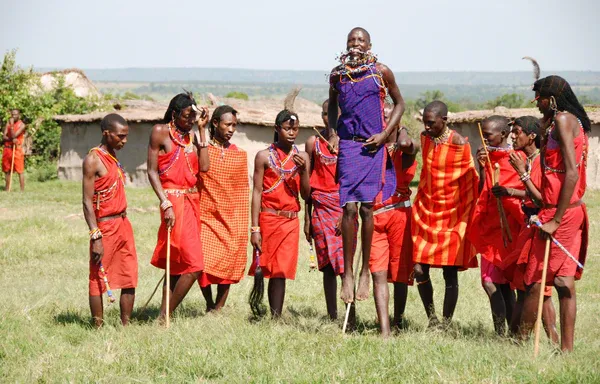
At the heart of that appeal is continuity. Maasai traditions, especially rites of passage, have long served as markers of identity, belonging and intergenerational knowledge. UNESCO has recognised Enkipaata, Eunoto and Olng’esherr, three male rites of passage of the Maasai community, as intangible cultural heritage in need of urgent safeguarding, underscoring both their cultural significance and the need to preserve them for future generations. UNESCO says these practices contribute to a sense of cultural identity and continuity within the community.
That cultural power also extends well beyond the community itself. In Kenya’s tourism narrative, Maasai identity remains inseparable from some of the country’s most iconic destinations. The Maasai Mara, one of Kenya’s best-known tourist attractions, is named after the Maasai people, reflecting the long-standing link between the community, the land and the country’s safari image. Kenya Tourism Board materials continue to position culture and heritage as central to the country’s appeal, with Maasai-associated landscapes and experiences remaining among the strongest symbols of Brand Kenya.
That visibility has kept Maasai tradition relevant in modern public life. Even as Kenya promotes itself as a multifaceted destination defined by culture, wildlife, urban energy and sport, Maasai culture remains one of the clearest and most internationally recognisable entry points into the country’s heritage story. Recent tourism coverage suggests Kenya is increasingly presenting itself as both modern and culturally rich, rather than forcing a choice between the two.
The enduring appeal is also tied to aesthetics and symbolism. Maasai beadwork, dress, ceremonies and pastoral imagery continue to influence Kenyan fashion, design, storytelling and event branding. They carry a strong visual language that communicates authenticity, pride and history, making Maasai tradition both culturally meaningful and publicly resonant. This last point is an inference drawn from the continued prominence of Maasai imagery in official tourism and heritage positioning.
Still, the continued prominence of Maasai culture also raises important questions about preservation, representation and benefit. As tourism and heritage markets grow, the challenge for Kenya is not only to celebrate Maasai tradition, but to safeguard it in ways that respect community ownership and transmission. That is why current efforts around documentation, inventorying and cultural safeguarding matter as much as the visibility itself.
In modern Kenya, Maasai tradition endures not because it has remained frozen in time, but because it continues to speak powerfully to identity, place and memory in a fast-changing nation.