
Nairobi’s wellness culture is undergoing a visible transformation, with group runs, boutique gyms, yoga collectives and lifestyle wellness communities becoming an increasingly prominent part of urban life as more city residents embrace healthier living. Recent reporting and community platforms point to a fast-growing fitness scene shaped by young professionals, social media influence, and a stronger focus on preventive health and routine self-care.
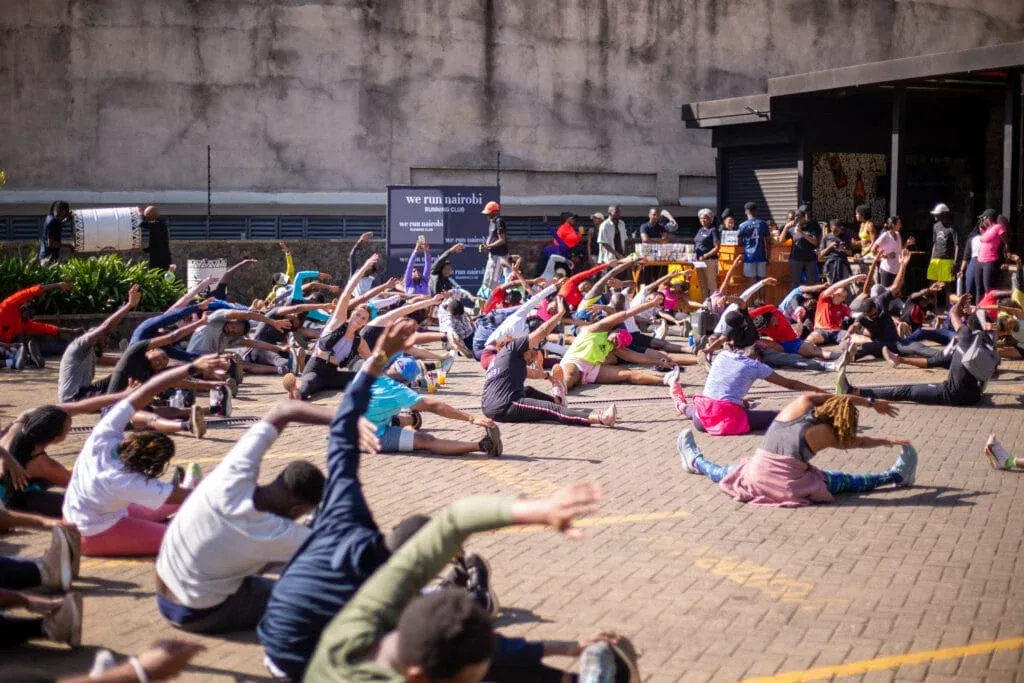
Across the city, fitness is no longer confined to traditional gym memberships. Running and walking clubs are drawing large numbers of Nairobians into public and semi-public spaces, creating communities built not only around exercise but also around accountability, networking and social connection. Articles published in early 2026 describe running clubs as one of Nairobi’s most visible lifestyle trends, with participants increasingly viewing them as spaces for both wellness and community.
That shift is helping redefine what fitness looks like in the capital. Instead of being seen as a niche or elite pursuit, wellness is becoming more mainstream, flexible and culturally relevant. Community platforms such as We Run Nairobi describe themselves as operating at the intersection of lifestyle, fitness and urban culture, reflecting how exercise is now being packaged as part of a broader city identity rather than simply a health routine.
The rise of boutique gyms, curated wellness experiences and specialized clubs is also pointing to a more segmented market. Nairobi residents are increasingly seeking options that match their schedules, social preferences and personal goals, whether that means strength training before work, joining a weekend run, taking part in a wellness activation, or signing up for a more personalized gym experience. Travel and lifestyle listings also show a wide range of fitness spaces across the city, underlining the scale and diversity of the market.
Health awareness appears to be a major driver. Coverage of Kenya’s urban wellness movement has linked the shift to growing concern around lifestyle diseases, longevity, energy management and everyday wellbeing, especially among younger urban professionals and middle-income city dwellers. In that sense, Nairobi’s wellness boom is not just about appearance or trend, but also about changing attitudes toward long-term health.
Still, the growth is unfolding alongside structural limits. Some reports note that Nairobi’s runners continue to face challenges tied to limited pedestrian infrastructure and a shortage of public spaces that can safely support a larger fitness culture. Even so, participation continues to rise, suggesting that demand is outpacing the city’s readiness.
Taken together, the trend points to a city in transition. Nairobi’s wellness revolution is no longer just a fringe movement. It is becoming part of how the capital works, socialises and imagines modern urban life.