


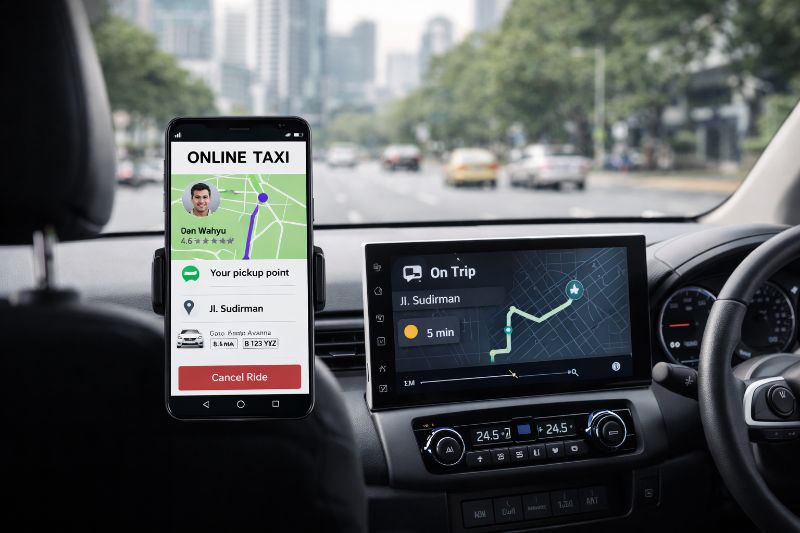
Every year-end brings a predictable surge in ride-hailing demand. Holidays, office parties, airport transfers, and the general acceleration of social activity in December produce consistent volume spikes across all major platforms. This year, the numbers are tracking unusually high — and the explanations go beyond the seasonal baseline.
The Data
Platform representatives speaking at an industry briefing last week reported booking volumes in the two weeks preceding the new year running 40–55% above the equivalent period last year. Driver utilization rates in major metropolitan markets have hit levels not seen outside of New Year’s Eve itself in previous years.
“We’re seeing patterns that used to be confined to the final 48 hours of December now stretching across most of the month. The demand window has expanded significantly.” — regional operations director at a major ride-hailing platform
Structural Drivers
Several factors beyond the seasonal calendar appear to be contributing to the elevated demand.
Public transport capacity constraints in several major cities — a combination of infrastructure maintenance backlogs and staffing shortages in transit agencies — have pushed a portion of regular commuters onto ride-hailing platforms as a default rather than a backup.
The normalization of cashless, app-based transport among older demographic cohorts, accelerated during the pandemic period, has also expanded the addressable user base. Age groups that previously relied on traditional taxis or personal vehicles are now regular ride-hailing users.
Driver Supply Under Pressure
The demand surge has predictably created supply pressure. Wait times in peak hours in central urban areas have extended, and surge pricing events have been more frequent than in previous comparable periods.
Platforms have responded with driver incentive programs designed to pull more available capacity online during high-demand windows — a mechanism that works in aggregate but cannot fully close the gap when the surge is both geographically concentrated and time-compressed.
Airport Corridors
Airport routes are showing the most pronounced increase. The combination of returning travelers, increased domestic tourism, and corporate travel resuming at pre-2020 rates has created sustained demand across the airport corridors that represent the highest-revenue segments for most platforms.
In several cities, dedicated ride-hailing pickup zones at major airports have expanded their designated capacity for the first time since those facilities were originally planned.
What It Means
The year-end numbers will matter to investors assessing whether ride-hailing platforms have returned to the growth trajectory that was interrupted by the pandemic period. For users, the practical implication is straightforward: book ahead during peak hours, expect higher prices on high-demand nights, and consider the timing flexibility that comes from scheduling rather than requesting on-demand.
The structural shift in how urban populations move — with app-based transport increasingly embedded as infrastructure rather than novelty — looks durable. The year-end spike is large because the baseline has grown.