


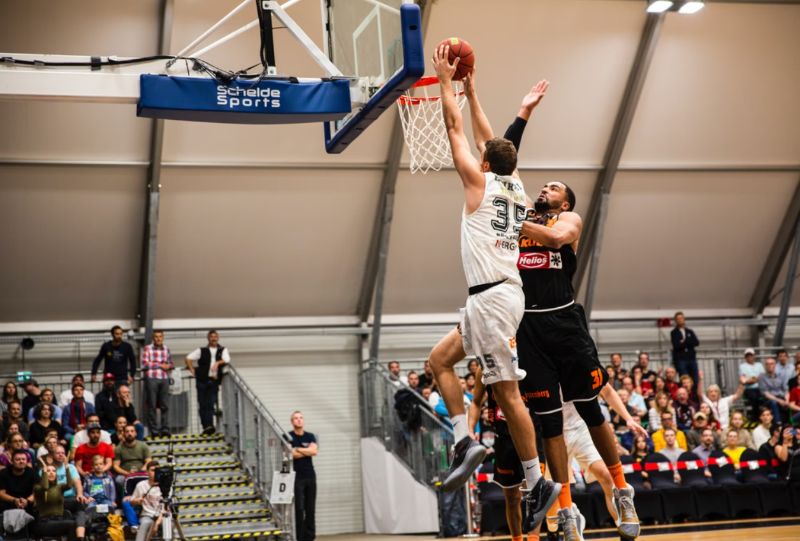
There are debuts, and then there are statements. What unfolded in the arena on Tuesday night was unmistakably the latter. The 19-year-old point guard — the second overall pick in this year’s draft — didn’t ease into professional basketball. He arrived.
The Numbers Tell Part of the Story
Finishing with 28 points, 9 assists, and 6 rebounds on 58% shooting, the performance was statistically remarkable for any player. For a teenager in his first professional game, against a veteran defensive roster, it was extraordinary.
“I’ve been scouting for twenty years. I’ve seen maybe three or four players come in and look that comfortable that fast.” — NBA scout, post-game
What the box score doesn’t capture is the composure. Late in the third quarter, down by six, he ran a two-minute stretch that included back-to-back pull-up jumpers, a no-look assist through traffic, and a defensive stop that required reading a veteran’s hesitation move correctly. These are not things rookies typically do.
Physical Tools and Basketball IQ
What separates this prospect from previous high-ceiling rookies is the combination of physical gifts and processing speed. At 6’3” with a 6’8” wingspan, he has the length to defend multiple positions. But scouts have consistently flagged his anticipation — the ability to read the game two or three sequences ahead — as the rarer quality.
His college coach, speaking before the draft, noted that play-calling sessions with him felt different from other players: “He asks why, not just what. He wants to understand the geometry of what we’re creating.”
Managing Expectations
The franchise has been measured in its public statements, careful not to overload a teenager with premature narrative weight. The coaching staff emphasized in their post-game press conference that one game is one game — that the season is long, that there will be difficult stretches, and that development is the priority.
That caution is warranted. History is full of spectacular debuts followed by the predictable adjustment period as opposing defenses game-plan specifically against a new player. How he responds to that test will be a more informative data point than anything from night one.
What Comes Next
The schedule over the next six weeks includes four games against playoff-caliber defenses. Those matchups will provide the earliest meaningful signal of how quickly he can adapt at the highest level.
For now, though, a city that has been waiting years for a reason to believe in its team’s future has something tangible to hold onto. Night one was not a fluke. It was a glimpse.