

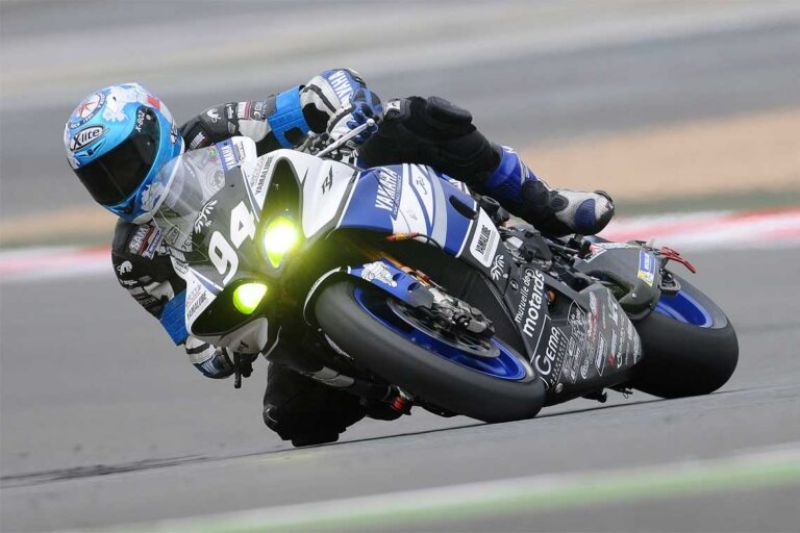
MotoGP has always been a sport that rewards fearlessness — the willingness to lean a 300 km/h machine to angles that defy ordinary physics. What is changing is how young that fearlessness is arriving at the top tier, and how quickly it is translating into results.
A Grid Younger Than It Has Ever Been
The average age of a MotoGP race winner has declined steadily over the past decade. Where championship battles were once dominated by riders in their late twenties and early thirties — seasoned campaigners with years of premier-class data behind them — the podium is increasingly occupied by riders who aren’t old enough to have watched the sport’s previous generation at their peak.
“These kids are growing up on simulators, on data, on video. They arrive in the premier class already understanding things it used to take four or five years to learn.” — former MotoGP world champion, speaking at a pre-season media event
The data pipeline has transformed development. Riders entering MotoGP today have access to telemetry analysis, simulation tools, and structured coaching programs that didn’t exist even ten years ago.
The Moto2 and Moto3 Pathway
The junior categories have become increasingly effective incubators. The Moto3 to Moto2 to MotoGP ladder — when navigated with the right team support and machinery — produces riders who arrive in the premier class with genuine competitive preparation.
What has changed recently is the willingness of factory teams and manufacturer programs to elevate riders before they have fully matured, accepting short-term results variance in exchange for long-term development advantage.
Technical Adaptation
Modern MotoGP machinery is extraordinarily complex. The electronics packages — traction control, engine braking control, anti-wheelie systems, seamless-shift gearboxes — require riders to develop relationships with their engineers that are as much about communication as riding talent.
Young riders who came up through well-resourced junior programs tend to have better technical vocabulary and more productive engineer relationships on arrival, shortening the adaptation curve significantly.
The Physical Dimension
Motorcycle racing is among the most physically demanding sports in the world. The g-forces under braking, the core strength required to control a machine at full lean, and the concentration demanded across a 45-minute race at maximum intensity are extreme.
Younger riders often have a physiological advantage in recovery — shorter turnaround between training sessions and races — that complements their technical development.
What the Next Five Years Look Like
With several factory seats becoming available in the coming contract cycles and a cohort of junior-class talent widely regarded as the deepest in a generation, the grid composition over the next five years is likely to shift further toward youth.
For fans, this means a more competitive, less predictable championship. For the sport’s commercial prospects, a generation of riders who will grow alongside a younger global audience. The transition is already underway — and the results, increasingly, speak for themselves.