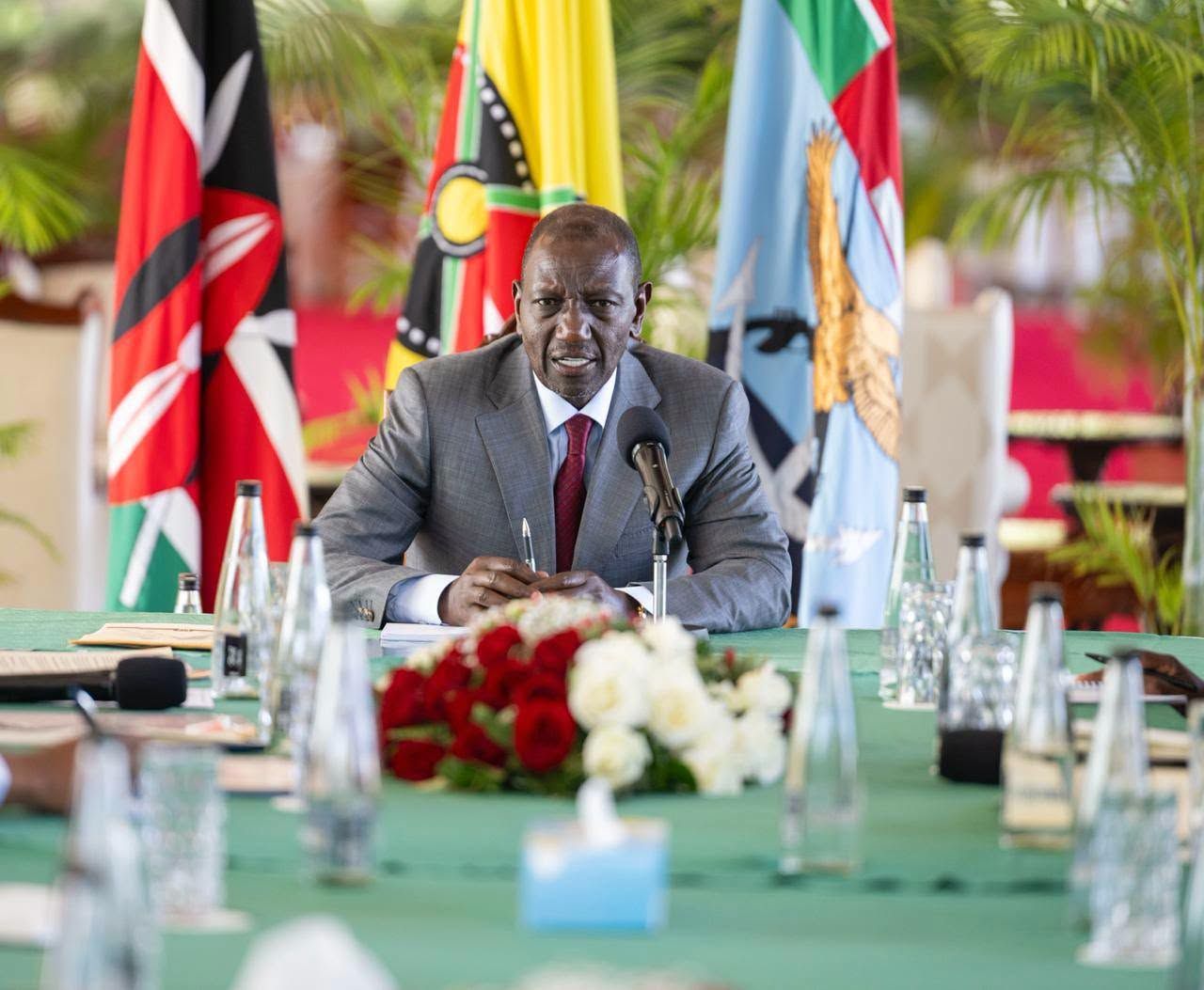

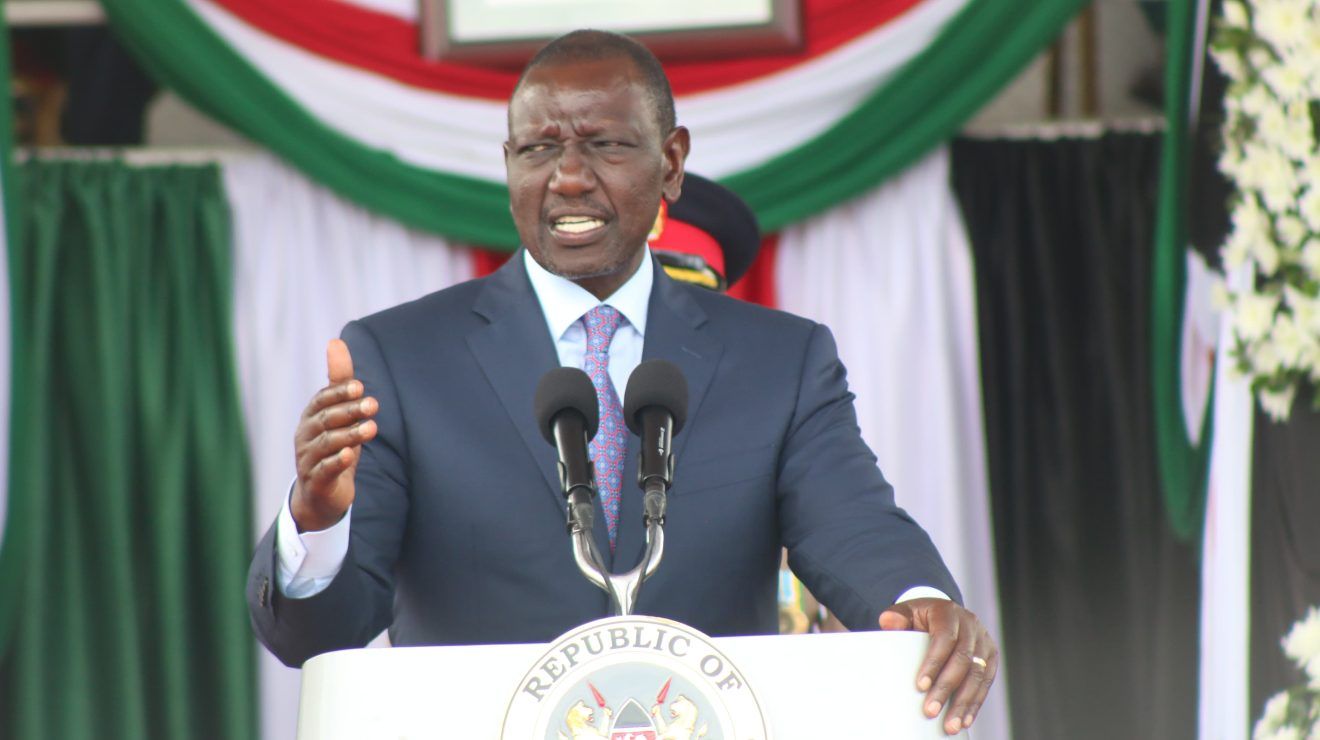
President William Ruto has convened emergency talks with top government officials in a bid to avert a looming fuel crisis, as regional supply disruptions and global oil market shocks raise fears of stock shortages and higher pump prices in Kenya. The move comes amid mounting concern that instability in international energy supply chains could trigger a fresh round of economic pain for households and businesses.
According to reports, the President directed an inter-ministerial response led by the National Treasury and the Ministry of Energy to closely monitor fuel imports, pricing trends and available stocks. The government says the aim is to maintain supply stability while cushioning consumers from sudden price spikes linked to turbulence in global oil markets.
The emergency consultations were prompted by growing signs of strain in the regional fuel supply chain, with Kenya among African countries facing pressure from disruptions tied to conflict affecting key shipping routes in the Middle East. Reuters reported that the wider energy shock has already caused shortages and anxiety in several African states, with Kenyan officials urging the public not to engage in panic buying even as stock levels come under pressure.
The latest concern adds to existing tension in Kenya’s petroleum market. In recent weeks, petroleum dealers have warned of possible supply interruptions, while Energy Cabinet Secretary Opiyo Wandayi has accused some marketers of hoarding fuel for commercial gain, further complicating the government’s effort to keep the market stable.
At the centre of the government’s response is the need to protect the country’s fuel import programme, including the state-backed government-to-government oil import arrangement that has been used to ease pressure on foreign exchange reserves and support supply planning. Officials say they are now exploring additional contingency options, including diversification of fuel sourcing, as the external environment becomes more uncertain.
A sustained fuel shortage would have broad implications for Kenya’s economy, affecting transport costs, food prices, electricity generation and overall inflation. That is why the talks at State House are being viewed as an urgent effort not just to manage stocks, but to avoid a wider economic ripple effect at a time when many Kenyans are already under pressure from the high cost of living. This economic impact framing is an inference supported by the reported role of fuel in national supply chains and the government’s concern over price shocks.
For now, the government insists there is a plan in place to steady the market. But with global tensions still unresolved and supply routes under strain, the success of the intervention will likely depend on how quickly Kenya can secure alternative flows and restore confidence in the domestic fuel system.