
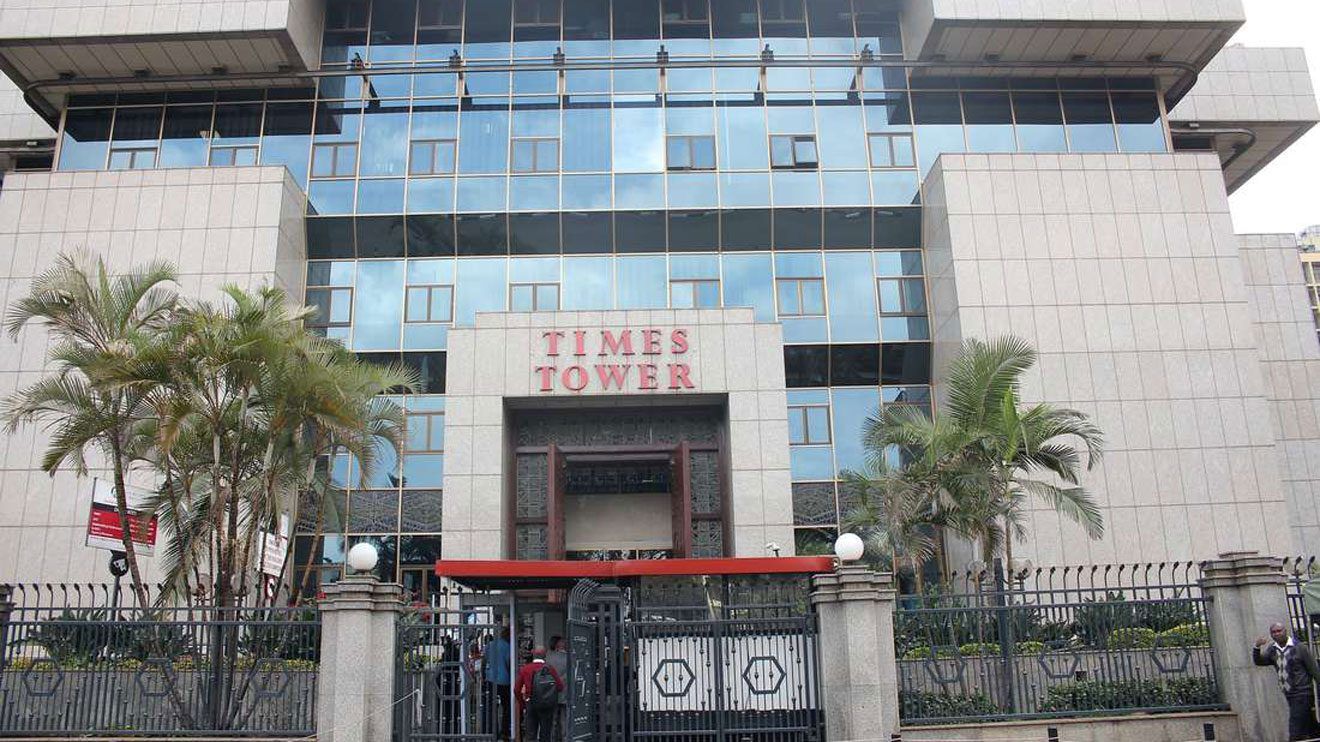
The Kenya Revenue Authority has reported revenue collections of KSh 1.9 trillion, reflecting modest 3.6 percent growth despite a difficult economic environment that has continued to weigh on business activity, household spending and broader tax performance.
The latest figures underline both the resilience and limits of the country’s revenue system at a time when the government remains under pressure to raise more money domestically while containing borrowing and managing a heavy debt burden. Kenya has in recent years faced repeated fiscal strain, with revenue mobilisation becoming central to efforts to narrow budget deficits and sustain public spending.
KRA’s performance comes against a backdrop of slower growth, disrupted business confidence and continued sensitivity around taxation following the unrest that forced the government to withdraw major tax proposals in 2024. Reuters reported that the rollback of planned tax increases created a sizeable hole in the budget and pushed the government to rely on spending cuts and additional borrowing to stabilise public finances.
The tax authority has previously pointed to a mix of positive and negative economic signals shaping collections. In its most recent full-year revenue update, KRA said revenue performance had been influenced by 4.7 percent GDP growth, easing inflation and a stronger shilling, but also by headwinds including the shelving of the Finance Bill 2024, high lending rates, global tariff tensions and international conflict. For the 2024/25 financial year, KRA said it eventually surpassed its annual target, collecting KSh 2.571 trillion, a 6.8 percent increase from the previous year.
That broader context helps explain why the latest KSh 1.9 trillion figure is likely to be viewed as a mixed outcome. On one hand, it signals continued revenue expansion in a challenging environment. On the other, the pace of growth remains relatively subdued compared with the government’s rising financing needs and the increasing pressure on the taxman to support budget ambitions without triggering fresh resistance from taxpayers.
The state has already signalled that stronger revenue collection will remain a priority. KRA began the second half of the 2025/26 financial year with strong monthly growth and said it remains optimistic about meeting its overall target of KSh 2.968 trillion for the year, a target that requires significantly faster growth than the previous cycle.
For policymakers, the latest collections will likely reinforce the case for broadening the tax base, improving compliance and investing in more efficient administration rather than relying mainly on politically contentious new taxes. That is especially important as Kenya continues to balance public expectations, economic recovery and the urgent need for stronger fiscal stability.