


The standard Southeast Asia backpacker circuit — Bangkok, Chiang Mai, Hanoi, Hoi An, Bali — exists for good reasons. The infrastructure is well-developed, English is widely spoken in tourist areas, and the density of interesting things to see and eat per square kilometer is genuinely exceptional. But arriving with a copy of a five-year-old itinerary and no plan to deviate from it is a way to travel within a bubble rather than through a place.
The Case for Slower Travel
Most first-timers overestimate how much ground they can cover meaningfully. A week in each country produces the experience of having been somewhere without the experience of having understood it. The travelers who consistently describe Southeast Asia as transformative are those who stayed somewhere long enough to develop a sense of its rhythms — a neighborhood café that became a regular stop, a temple that rewarded a second visit, a local contact who became a genuine acquaintance.
“Two weeks in one country will teach you more than two weeks in six countries.”
Practically, slower travel is also cheaper. Long-stay guesthouses and monthly apartment rentals are dramatically less expensive per night than short stays. Transport costs — which accumulate quickly on an ambitious itinerary — are reduced.
Safety and Practical Logistics
Solo travel in Southeast Asia is genuinely safe for most travelers, with the normal caveats that apply anywhere: situational awareness, moderate scepticism toward unsolicited generosity from strangers, and care with drink at night. The most common problems are mundane — petty theft, scams targeting tourists, and stomach illness from food handling practices unfamiliar to visitors.
Travel insurance that covers medical evacuation is not optional. Healthcare quality varies dramatically across the region. Knowing in advance which hospitals in a given city handle serious cases well is worth the research time.
Where to Begin
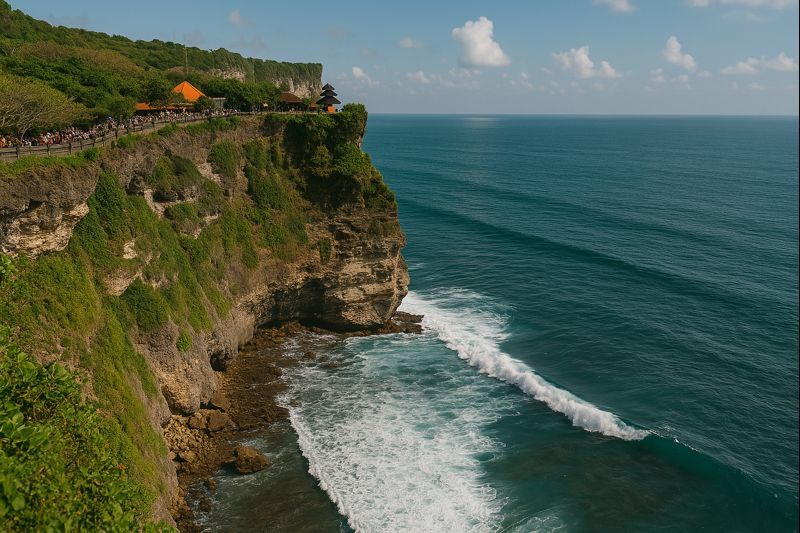
Entry points matter more than people acknowledge. Bangkok rewards those who approach it with genuine curiosity about its complexity. Bali, in parts, has been so thoroughly shaped by the tourist economy that the experience it offers bears little relationship to Indonesian life more broadly. Both are worth visiting — but with appropriately calibrated expectations.
For first-timers who want a manageable entry, Vietnam’s northern highlands and the slower pace of Luang Prabang in Laos offer the contrast and beauty that make Southeast Asia compelling, without the overstimulation of the larger cities.
What to Actually Pack
The single most consistent advice from experienced Southeast Asia travelers: pack less than you think you need. Laundry is inexpensive everywhere. Clothing appropriate for the climate and respectful of temple dress codes is available locally and usually costs a fraction of what it does at home. A well-edited bag that fits in an overhead compartment removes a category of logistical friction that compounds across a long trip.