
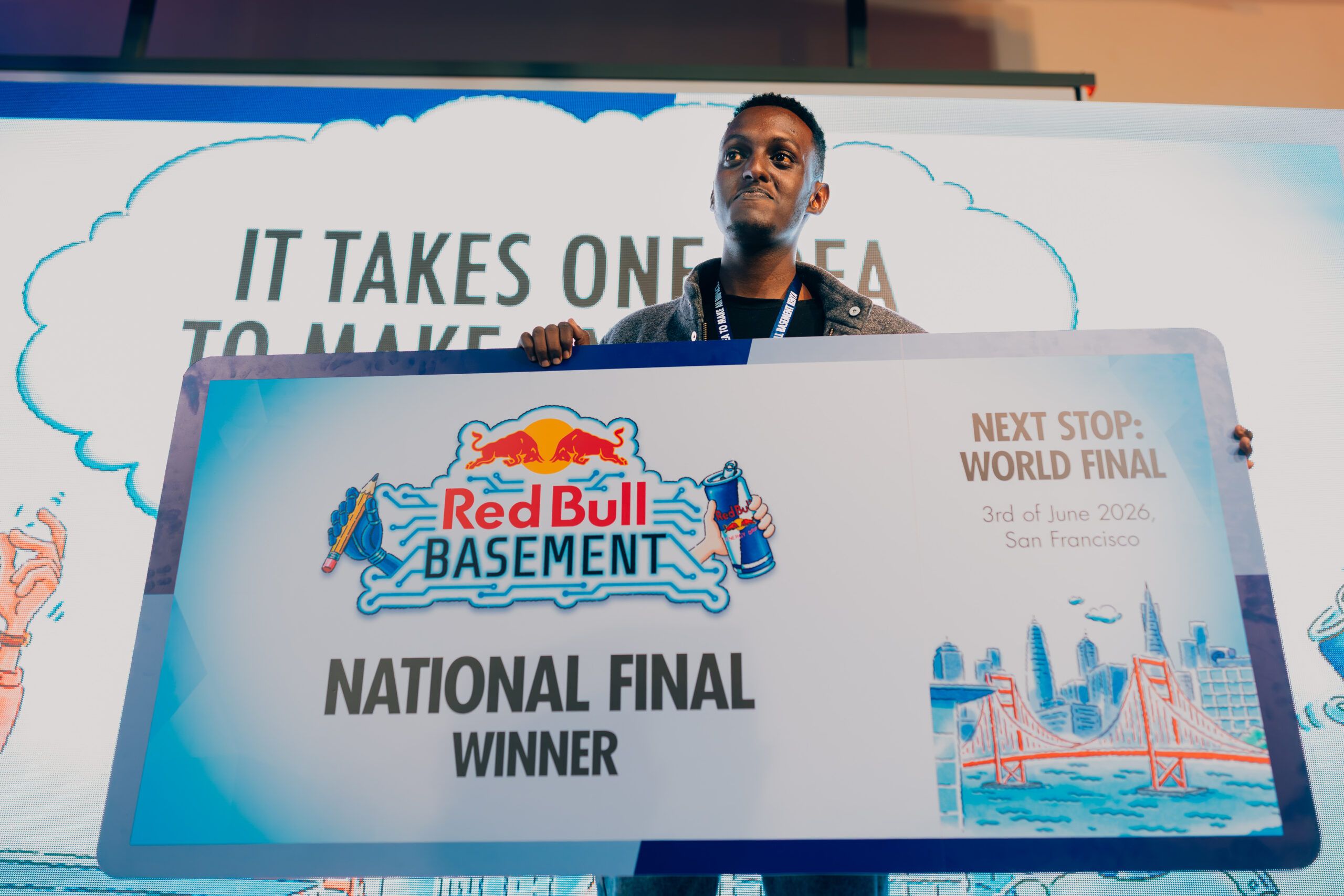
A 23-year-old innovator from Isiolo County has won the Red Bull Basement Kenya National Finals with an artificial intelligence platform designed to support pastoralist communities, placing a spotlight on how technology is being adapted to solve some of northern Kenya’s most urgent livelihood challenges. Abdihamid Hassan was named the national winner after pitching his idea, Arda Link AI, at the finals held at iHUB Nairobi on Saturday, March 28.
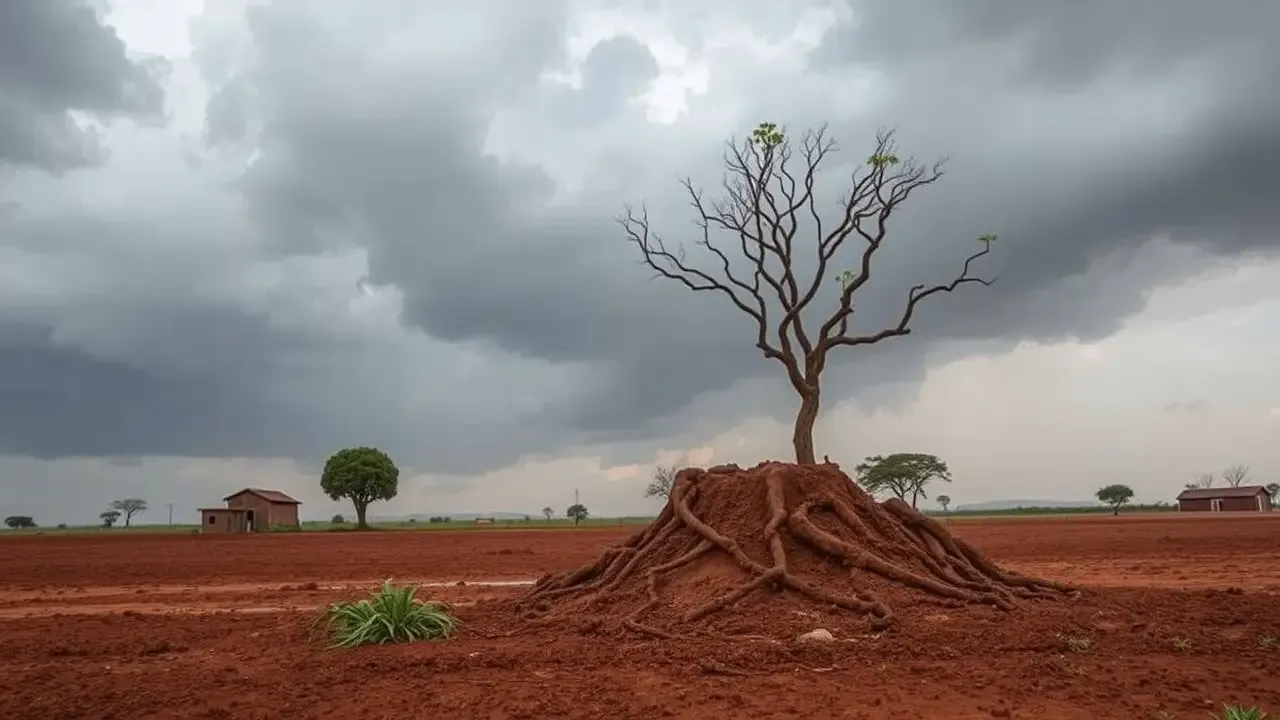
Hassan’s solution uses artificial intelligence and real-time satellite data to monitor livestock nutrition needs, track herding movements, and forecast drought conditions and pasture availability. The platform is also designed to work across local pastoralist dialects, an element that judges and observers say makes it more accessible to communities that are often excluded from conventional digital services.
The innovation is aimed at Kenya’s vast pastoralist economy, which supports livelihoods across arid and semi-arid lands and plays a major role in the country’s food system. Reports on the competition said the sector is valued at about $1.1 billion and contributes roughly 90 percent of the meat consumed in Kenya, giving Hassan’s idea both economic and social relevance.
Hassan, who graduated in December 2024 from Jomo Kenyatta University of Agriculture and Technology with a degree in Community Development and Environment, said the platform was inspired by the realities facing pastoralist communities in his home county. His victory now earns him the chance to represent Kenya at the Red Bull Basement global finals in San Francisco in June, where he will compete against innovators from more than 40 countries.
The Kenya finals drew more than 3,800 submissions from across the country, with 15 finalists selected to pitch before a panel of judges that included tech, business and innovation leaders. Judges said the winning idea stood out for its feasibility, potential business impact, founder profile and uniqueness, suggesting that Arda Link AI impressed not only as a social innovation but also as a concept with room to scale.
As national winner, Hassan will enter a global pre-acceleration phase where he will refine the idea into a minimum viable product with support that includes an AMD AI laptop, $5,000 in Microsoft Azure credits and mentorship. If he goes on to win the world final, he stands to receive $100,000, additional Azure credits and further support through Red Bull Ventures.
Beyond the competition, Hassan’s win reflects a broader shift in Kenya’s innovation scene, where young founders are increasingly building tools aimed at practical local challenges rather than abstract digital trends. In this case, the promise of AI is being tied directly to drought resilience, livestock survival and the economic security of pastoralist communities.