
Kenya’s political landscape in 2026 is defined by shifting alliances, economic strain, and a newly assertive citizenry. As President William Ruto navigates mounting pressure, both the government and opposition are recalibrating ahead of a high-stakes electoral cycle, with the country standing at a pivotal moment in its democratic journey.
Kenya’s politics in 2026 reflect a nation in transition, shaped by both internal tensions and broader socio-economic realities. President William Ruto, who came into office promising economic transformation, now faces growing dissatisfaction fueled by the high cost of living and contentious fiscal policies. While his administration initially sought stability through a broad-based political approach, cracks are beginning to show as alliances with opposition figures become increasingly fragile. This has created an atmosphere of uncertainty, with political actors positioning themselves strategically ahead of the next general election.
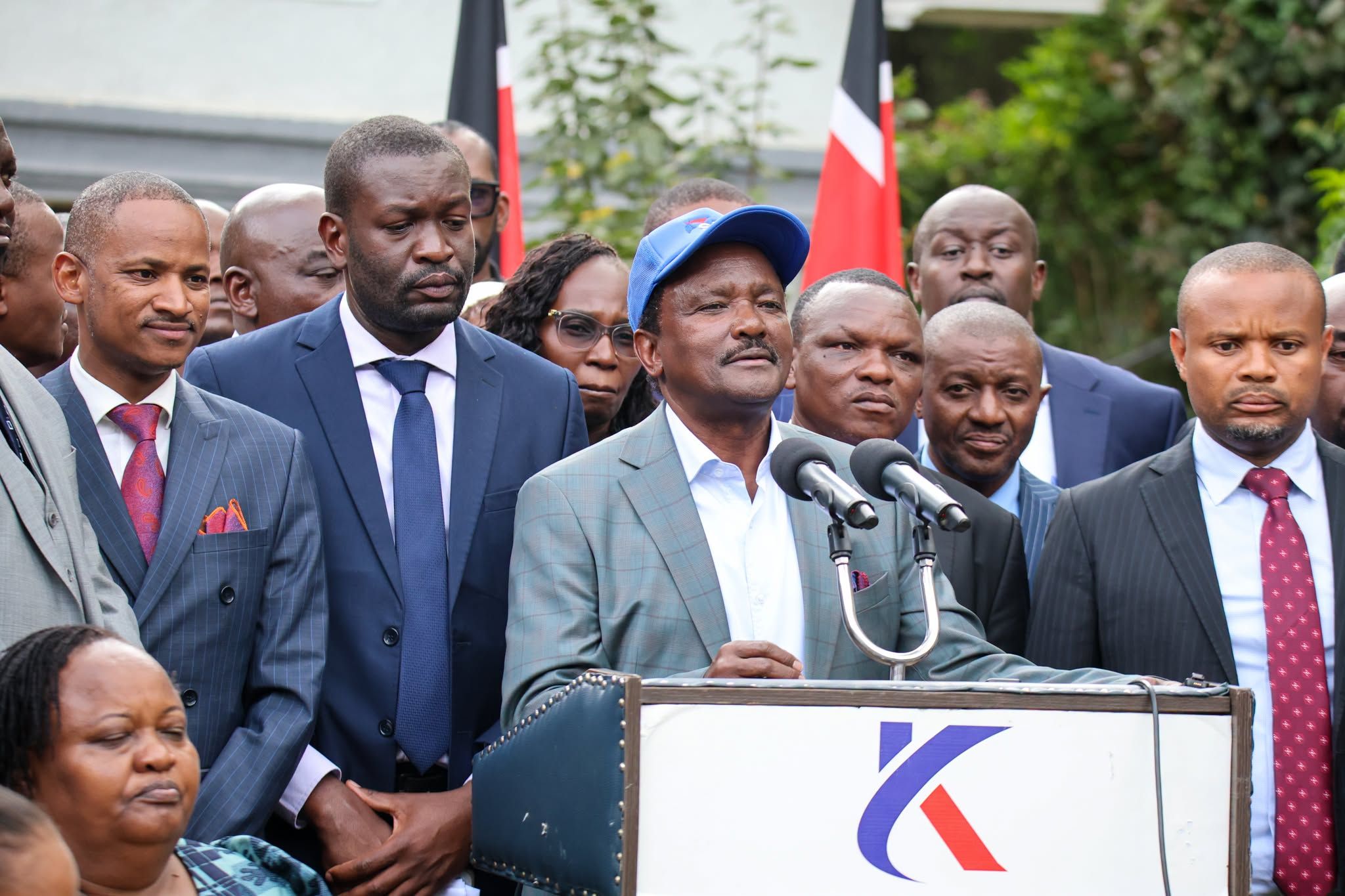
At the same time, the opposition is undergoing a significant reconfiguration. The once-dominant coalition Azimio la Umoja is grappling with internal divisions and leadership shifts, with figures like Kalonzo Musyoka emerging as central players in redefining its direction. Meanwhile, long-time opposition leader Raila Odinga continues to wield influence, even as his party reassesses its engagement with the government. These dynamics signal a broader realignment in Kenyan politics, where traditional coalitions are evolving in response to changing political and economic pressures.
Economic challenges remain at the heart of the political discourse. Rising taxes, inflation, and public debt have placed significant strain on households, turning fiscal policy into a central political battleground. Government efforts to stabilize the economy through austerity measures and new revenue strategies have met resistance from citizens and opposition leaders alike. The result is a political environment where economic grievances are increasingly translating into public dissent, shaping both policy debates and electoral strategies.
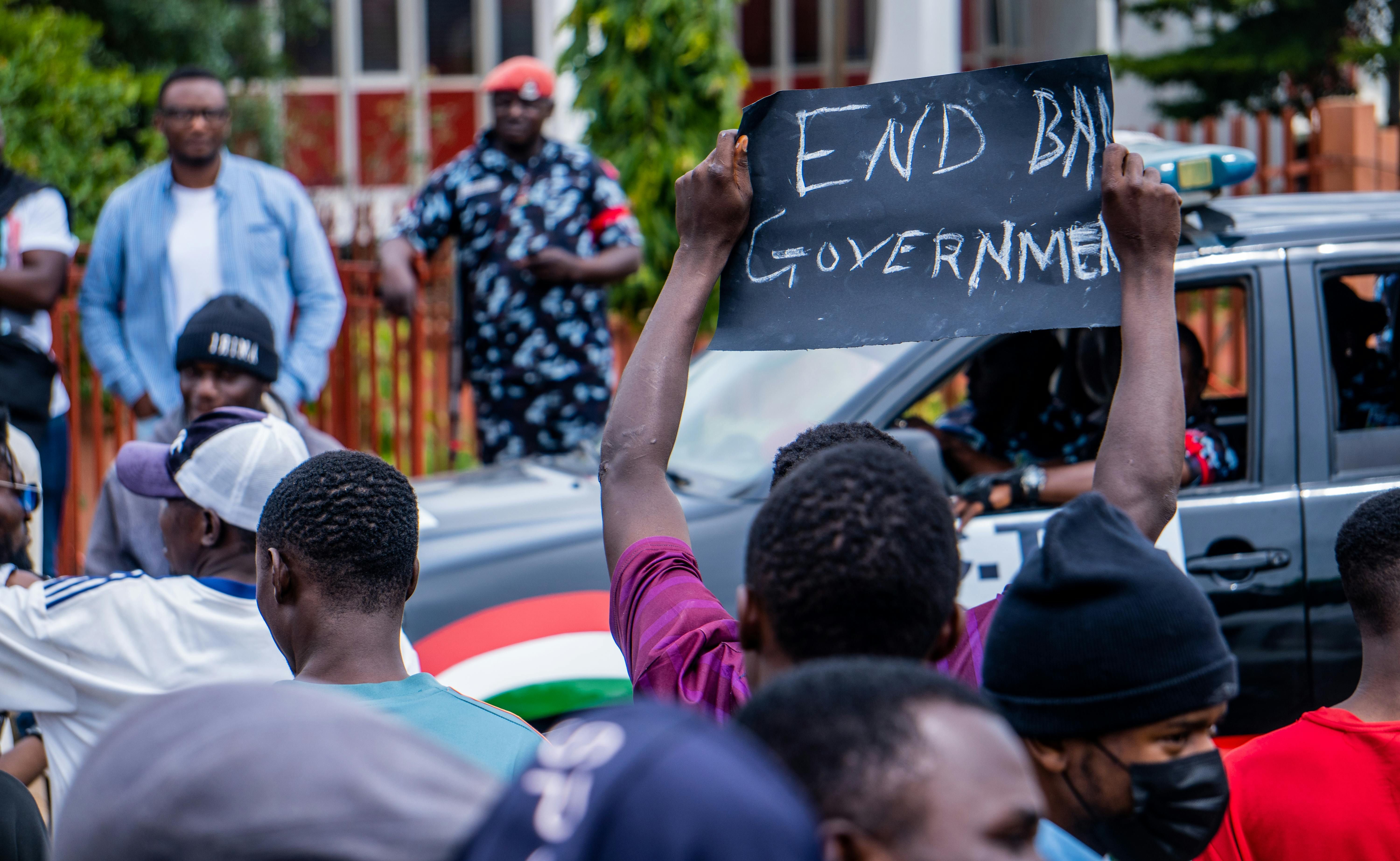
The legacy of the 2024 anti-tax protests continues to loom large over the political scene. Largely driven by young people, these demonstrations marked a turning point in civic engagement, highlighting the growing influence of a digitally connected and politically conscious generation. Movements such as #RutoMustGo captured widespread frustration and signaled a shift away from traditional forms of political participation. Although large-scale protests have subsided, the underlying issues remain unresolved, suggesting that similar mobilizations could re-emerge if economic and governance concerns are not addressed.
As Kenya moves closer to the 2027 elections, the political landscape is expected to become even more competitive and unpredictable. Alliances will continue to shift, new leaders may rise, and the electorate—particularly the youth—will play a decisive role in shaping outcomes. The coming months will test the resilience of Kenya’s democratic institutions and the ability of its leaders to respond to public demands. Whether the country can navigate this period peacefully and productively will be crucial in determining its political and economic trajectory for years to come.