
Image: Courtesy
Kenya likes to speak about its youth as a demographic dividend. That phrase sounds hopeful, even strategic. But without serious job creation, it risks becoming a euphemism for national failure.
The country is young, ambitious and increasingly urban. Yet many young Kenyans are coming of age into an economy that is not creating enough stable, decent work. The World Bank has warned that Kenya’s recent protest wave hit especially young people in urban areas, where unemployment is higher and inequality is more visible. In its 2025 Economic Survey, KNBS also pointed to a labour market still under pressure even as the wider economy grew.
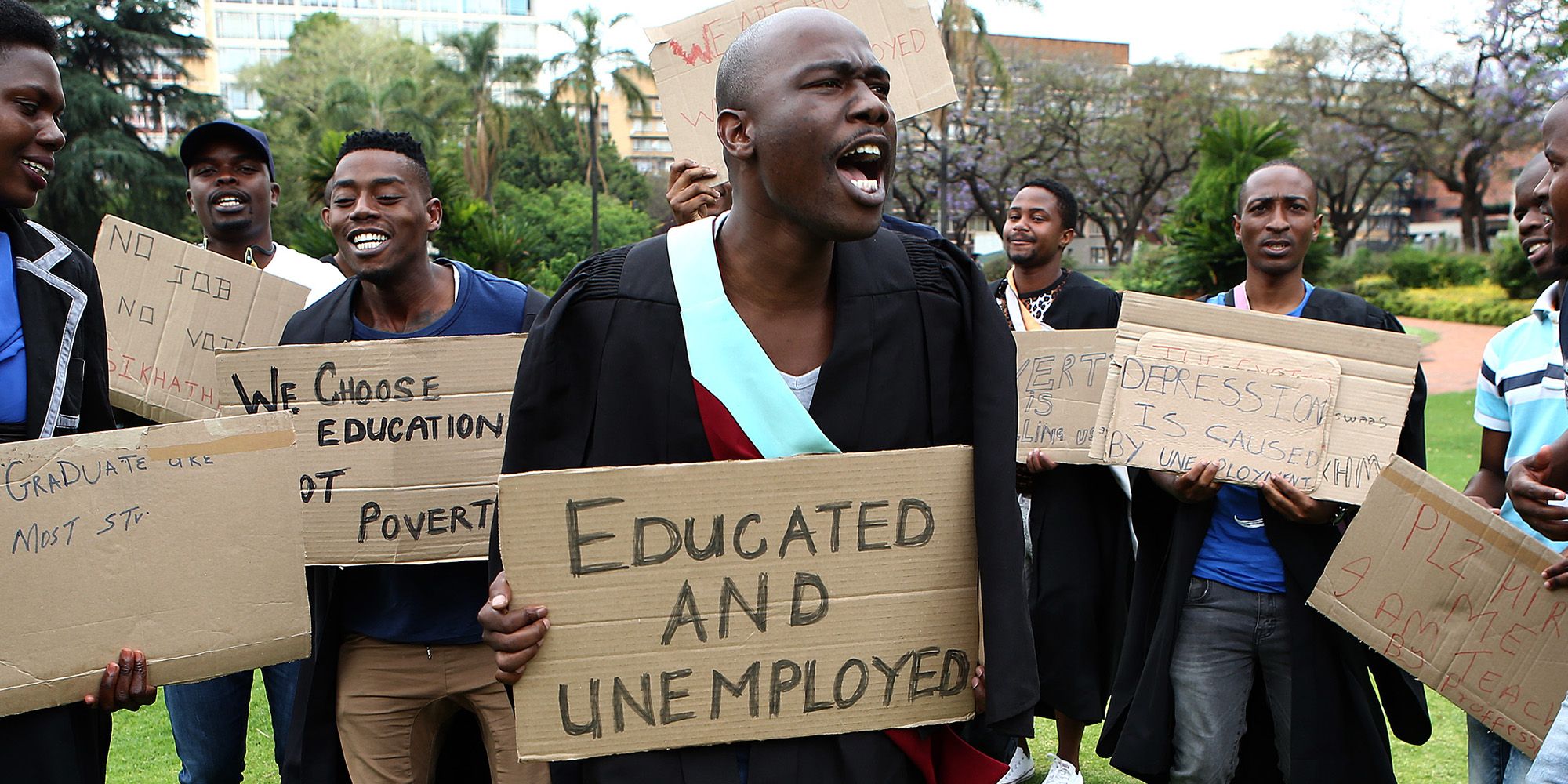
The problem is not only unemployment in the narrow statistical sense. It is underemployment, informality and exclusion. The ILO has noted that youth unemployment in Kenya is a particular concern, with young people and especially young women facing disproportionate barriers in the labour market. It also points out that many jobs available to young workers are informal, insecure and poorly protected.
That is why the crisis is more dangerous than headline jobless numbers sometimes suggest. A young graduate doing irregular gigs without stability, benefits or a clear pathway to growth may not always appear fully unemployed, but they are still trapped in economic insecurity. Kenya’s labour market challenge is not simply about whether young people are working. It is about the quality, predictability and productivity of that work. This is an inference from the ILO’s findings on informality and the structure of youth employment in Kenya.
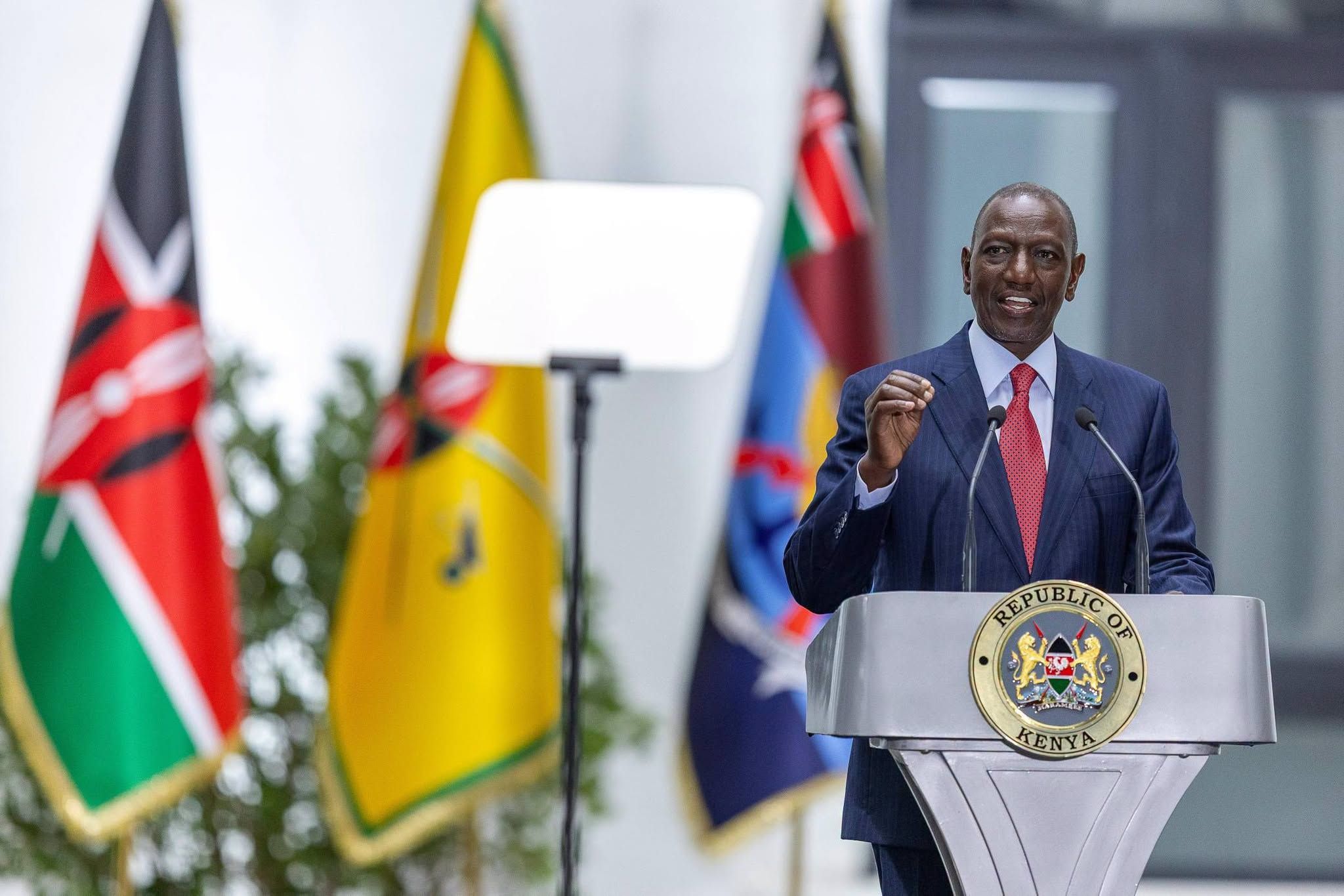
The national consequences are already visible. Reuters reported in July 2025 that President William Ruto faced a difficult task winning over younger voters, with youth unemployment among the pressures shaping political frustration. The World Bank’s Africa’s Pulse 2025 argued that weak job creation, high living costs and service gaps can fuel political stress and instability, and recommended youth jobs programmes as part of the policy response.
Kenya therefore needs more than speeches about innovation and hustle. It needs a jobs strategy that matches the scale of the problem. That means supporting labour-intensive sectors, fixing the business environment for small firms, aligning training with market demand, and making it easier for young people to move from informal survival work into productive enterprise. It also means accepting that growth alone is not enough if it does not translate into jobs at scale.
A demographic dividend is not automatic. It has to be built. If Kenya fails to create work, dignity and opportunity for its youth, the country will not just waste talent. It will deepen anger, inequality and instability. And that is how a dividend turns into a disaster.