
Kenya’s biggest development problem is no longer a lack of ideas. It is the persistence of a political culture that turns every major national question into an ethnic contest, a power struggle or a cycle of confrontation. Until that changes, the country’s ambition of becoming a stable, high-income economy will remain difficult to achieve. Kenya’s economy is still projected to grow by an average of 4.9 percent between 2025 and 2027, according to the World Bank, but the institution has also warned of elevated risks and growing fiscal pressure.
The deeper problem is that political division is no longer just a governance issue. It is an economic risk. When politics is defined by tribal mobilisation, public mistrust and recurring street confrontation, investors hesitate, businesses slow expansion, and the government struggles to push through reforms with legitimacy. Reuters reported in July 2025 that repeated protests and shutdowns risk eroding investor confidence and disrupting economic activity, especially if the state responds with force rather than dialogue.
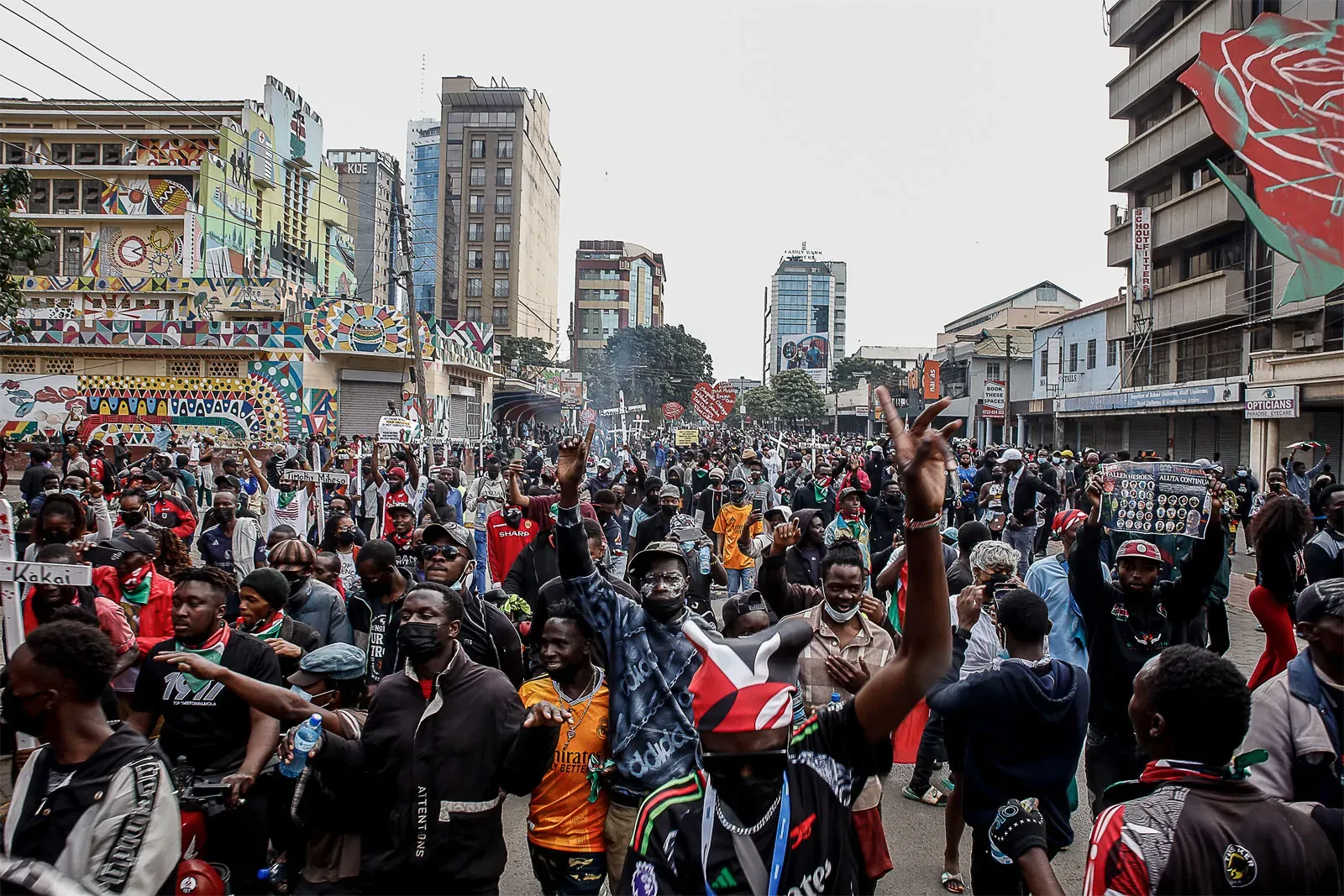
Kenya has already seen how quickly politics can spill into the economy. During the June 2024 anti-Finance Bill protests, demonstrations against planned tax increases escalated into deadly unrest, forcing the government to withdraw the bill and reopening questions about the budget deficit and fiscal stability. Reuters reported that the proposed tax measures were intended to raise about $2.7 billion to reduce the deficit, but the unrest derailed that plan.
That episode exposed a hard truth. A divided political system makes long-term economic planning harder. Kenya needs higher investment, stronger productivity, better jobs and more competitive markets. But those things depend on trust in institutions, policy predictability and a political class capable of compromise. The World Bank’s latest Kenya update says the country has shown resilience, but fiscal slippage remains a risk. Broader country-risk assessments also continue to flag the possibility of political unrest as a threat to economic stability.
The cost of political division is also felt in less visible ways. Businesses spend more on security and crisis planning. Public debate becomes harder to focus on health, education, jobs and innovation. Elections and succession politics begin to dominate national life years before voting day. Business Daily reported in October 2025 that political instability and civil unrest had overtaken economic volatility as the biggest risks facing Kenyan businesses in 2026.
Fixing Kenya’s politics will require more than calls for unity. It means building institutions that matter more than ethnic kingpins, making public policy less adversarial, and proving that disagreement does not have to become paralysis. Kenya has the talent, market size and strategic importance to grow much faster. But unless it reduces tribalism and polarisation, politics will keep eating away at the very progress the country says it wants.