
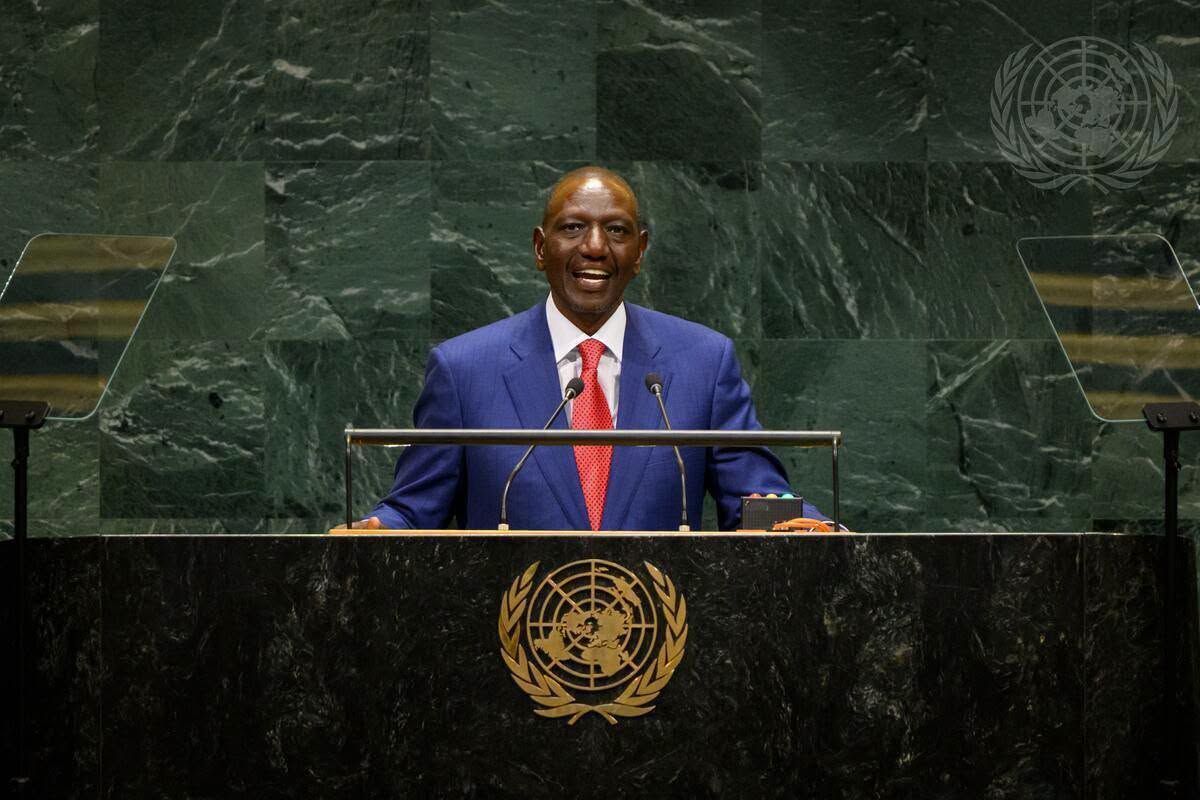
President William Ruto has renewed calls for sweeping reforms of the United Nations Security Council, saying Africa can no longer remain locked out of permanent membership despite being at the centre of many of the body’s peace and security decisions.
Addressing the 81st United Nations General Assembly in New York on Wednesday, September 23, Ruto said the current structure undermines the principle of sovereign equality by reserving permanent membership and veto powers for five countries while excluding the other 188 UN member states.
“Every nation in this hall has one vote. Every nation is sovereign and equal under the Charter. Yet on the gravest questions of war and peace, five nations possess a permanent power that the other 188 do not,” Ruto said.
He singled out Africa’s exclusion, noting that its 54 UN member states have no permanent representation on the Security Council despite the continent frequently featuring on its agenda.
“We are frequently the subject of its decisions, permanently discussed, yet permanently excluded,” he said.
Ruto argued that the Security Council still reflects the geopolitical realities of 1945, when most African countries were under colonial rule and had little say in shaping the post-war international system.
“The world has transformed. The Council has not. We cannot manage transformation with institutions that refuse to transform themselves,” he said.
He called for reforms that would give Africa equitable and permanent representation, including the privileges and prerogatives attached to permanent membership.
The demand is consistent with a longstanding African push for greater representation. The UN’s Pact for the Future also commits member states to prioritising the redress of what it describes as the historical injustice against Africa in Security Council representation.
Ruto also turned his attention to the global financial system, arguing that developing economies continue to face disproportionately high borrowing costs that limit investment in healthcare, education and development.
Global public debt hit a record $102 trillion in 2024, according to UN Trade and Development. Developing countries accounted for $31 trillion but paid $921 billion in interest during the year. Forty-six developing economies spend more on interest payments than on either health or education.
“The hospital competes with the creditor. The classroom competes with debt service and, too often, the creditor is paid first,” Ruto said.
He called for multilateral development banks to expand lending and make greater use of guarantees, risk-sharing instruments, long-term financing and local-currency financing to reduce the cost of investment in developing countries.
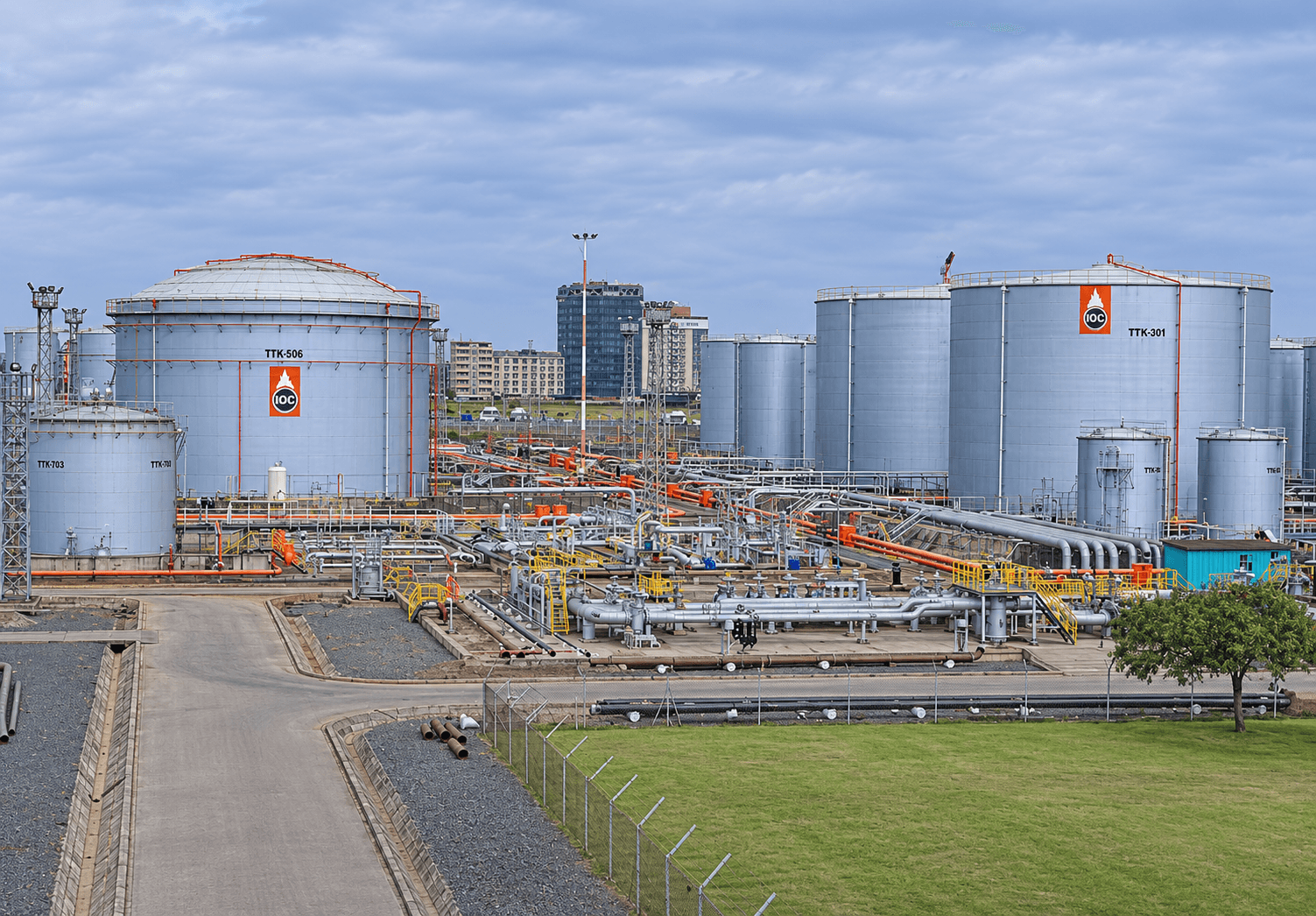
Ruto also used the address to announce plans for a $16 billion refinery in Lamu, which he said would have a capacity of about 700,000 barrels a day and serve the wider East African market. The project, he said, represented Africa’s ambition to add value to its resources locally and build industries capable of competing globally.
“Africa does not come to plead. We come to propose,” he said.
Follow our social media pages for breaking news updates, in-depth stories and videos.
news@nairobilens.ke