
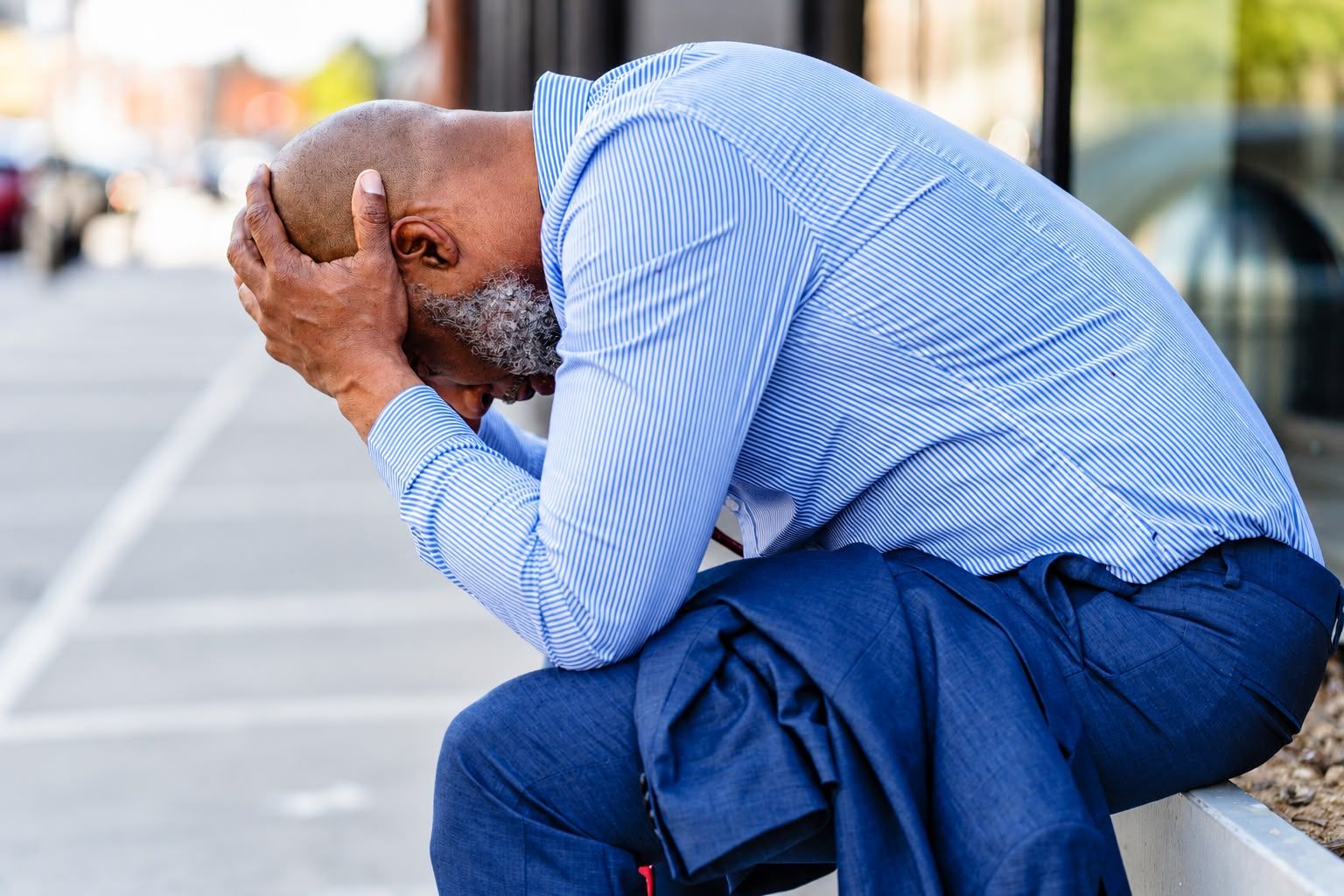
A staggering 83 per cent of Kenyan journalists have reported depressive symptoms, as low salaries, job insecurity and mounting workloads take a toll on media professionals, a new survey reveals.
The October 2026 report by the Kenya Union of Journalists (KUJ) and the Media Council of Kenya (MCK) exposes worsening working conditions in an industry where more than half of journalists earn below Sh50,000 a month.
Titled The Depressed Press: Poor Pay, Job Insecurity and Widespread Depression among Kenyan Journalists, the report was presented by KUJ Deputy Secretary-General Vincent Owino.
The findings show that 25 per cent of journalists screened recorded severe depressive symptoms, while 65 per cent fell within the moderate-to-severe categories.
Another 80 per cent said the symptoms made their daily responsibilities “somewhat, very or extremely difficult.”
The survey used the PHQ-9 screening tool, which assesses depressive symptoms over two weeks. The findings do not amount to clinical diagnoses of depression.
Financial hardship emerged as a major concern, with 52 per cent of journalists earning less than Sh50,000 monthly.
The average salary stands at Sh63,000, well below the national private-sector average of Sh86,872.
Nearly half have gone more than three years without a salary review, while only 22 per cent received a pay rise in the preceding year.
The situation is so dire that 26.7 per cent cannot afford lunch at work, while another 11.7 per cent depend on employer subsidies to eat.
More than half, 51.7 per cent, can only afford cheap kiosk meals, and just 10 per cent can comfortably buy lunch every working day.
Home ownership remains elusive, with 91.7 per cent of journalists reporting that they do not own a house.
The report also exposes widespread employment insecurity, with only 45 per cent of journalists holding permanent jobs.
Another 42 per cent receive no employment benefits, while 48 per cent lack employer-provided medical insurance.
About one in three journalists have no medical cover at all.
Newsrooms are also struggling with staffing shortages, with 53 per cent of journalists saying their workplaces are understaffed.
Nearly half, 47.5 per cent, are unhappy with their organizational culture.
Long hours linked to depressive symptoms
Journalists work an average of 8.5 hours daily, with 18 per cent putting in more than 10 hours.
Two-thirds say their workloads have increased over the past five years, despite fewer than a third reporting higher incomes.
Among those working more than 10 hours daily, 71.4 per cent recorded moderate-to-severe depressive symptoms.
Freelancers were particularly affected, with 72 per cent reporting moderately severe or severe symptoms, compared with 55.6 per cent of correspondents.
Access to psychological support remains limited.
Only 45 per cent of journalists have access to employer-provided mental health support, while 40 per cent have none.
The findings raise fresh concerns over the welfare of Kenyan journalists, highlighting the growing pressure on media workers grappling with stagnant wages, insecure jobs and increasingly demanding newsrooms.
Follow our social media pages for breaking news updates, in-depth stories and videos.
news@nairobilens.ke