
President William Ruto has renewed his pledge to create one million manufacturing jobs by 2030, saying cheaper loans and stronger demand for Kenyan-made goods will help lift the sector’s share of the economy from 7.1 per cent in 2025 to 20 per cent.
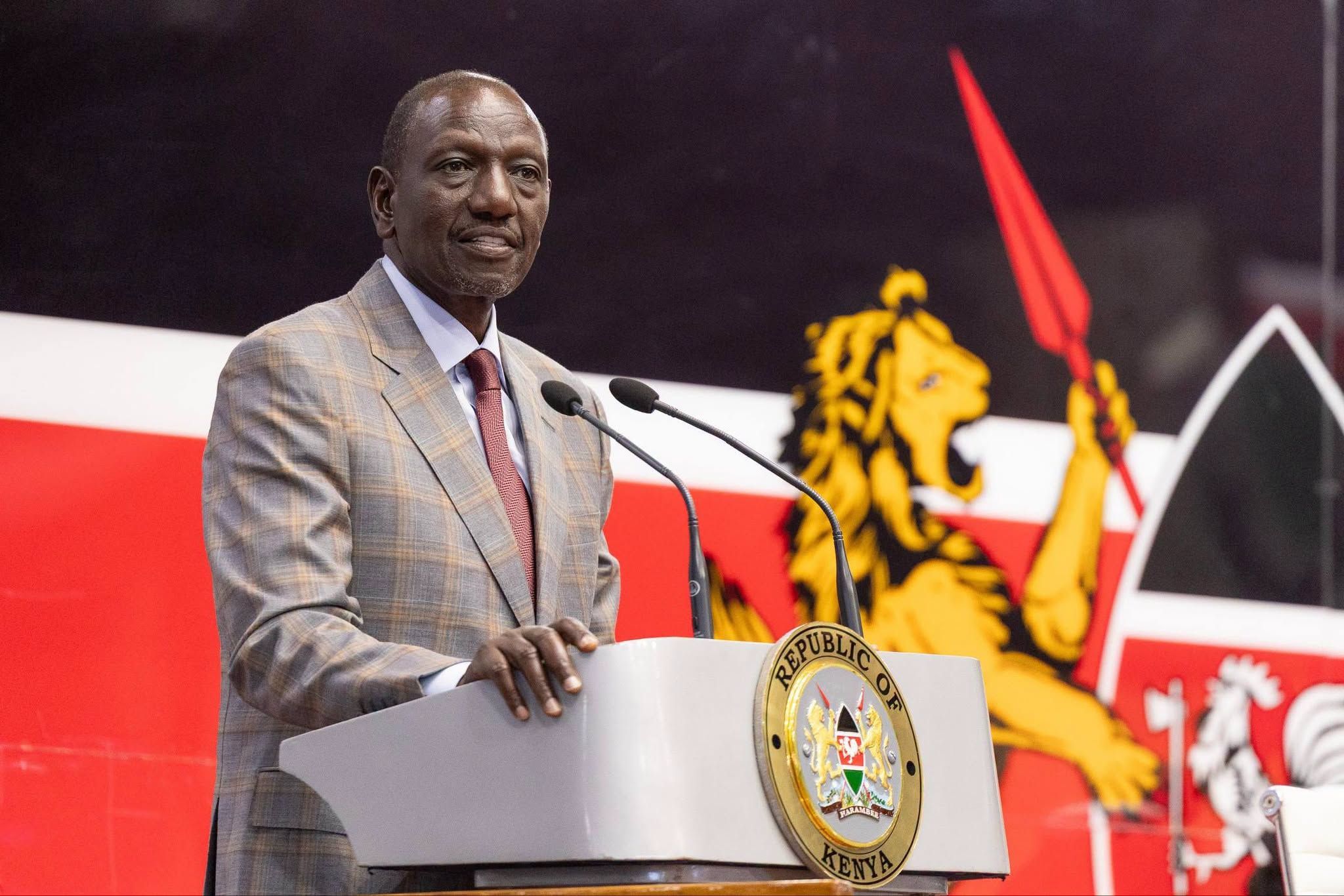
Speaking on Wednesday at the Industrialisation Summit and Changamka Shopping Festival at the Kenyatta International Convention Centre (KICC) in Nairobi, Ruto acknowledged that the sector was falling behind. Manufacturing grew by 2 per cent in 2025, compared with 4.6 per cent for the economy as a whole.
“These figures remind us that the industrial transformation we seek must move faster,” he told an audience of entrepreneurs, investors and manufacturers.
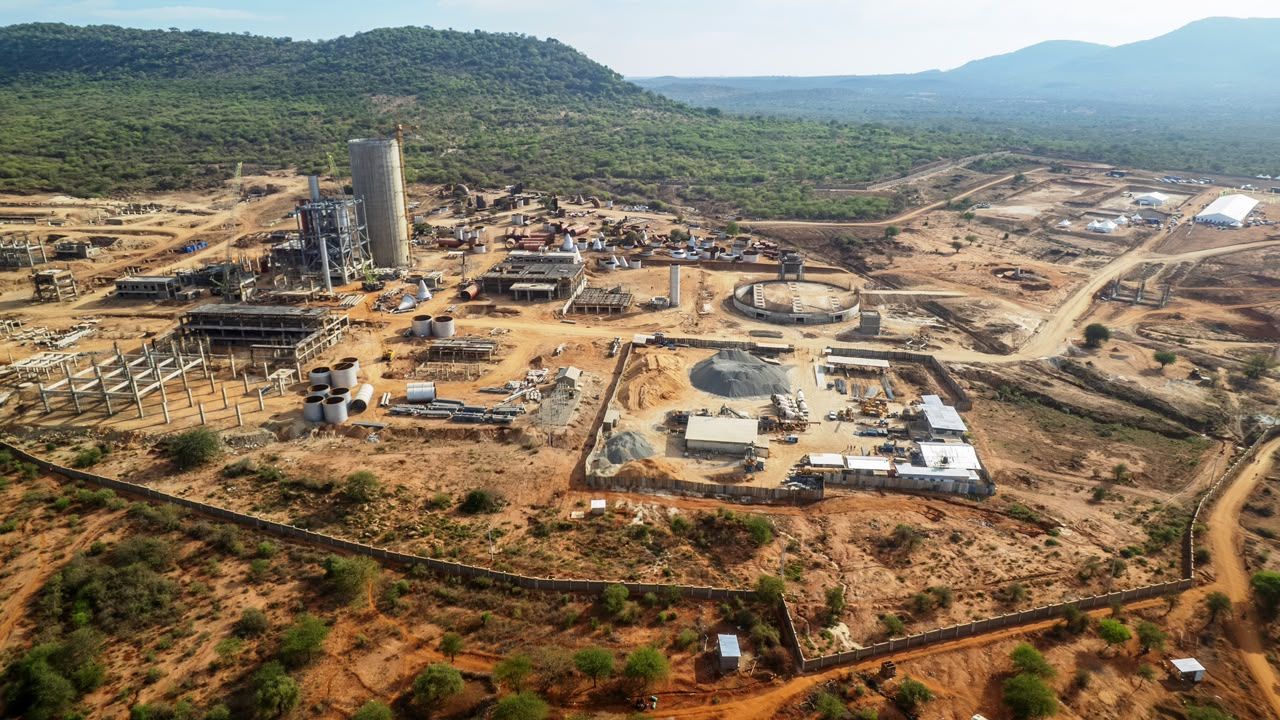
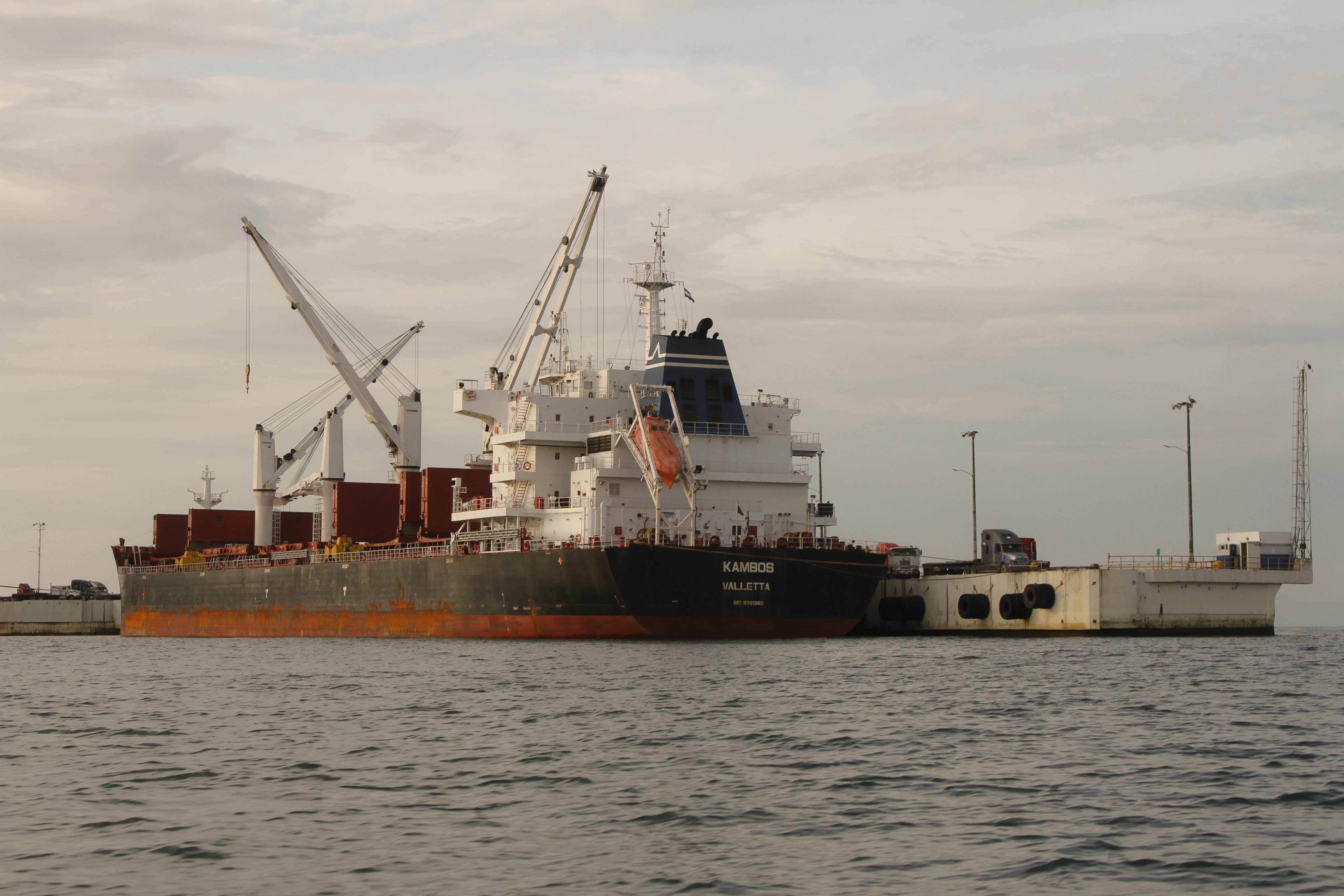
Ruto urged Kenyans to buy locally made goods and called on manufacturers to process more raw materials in Kenya and sell finished products at home and abroad.
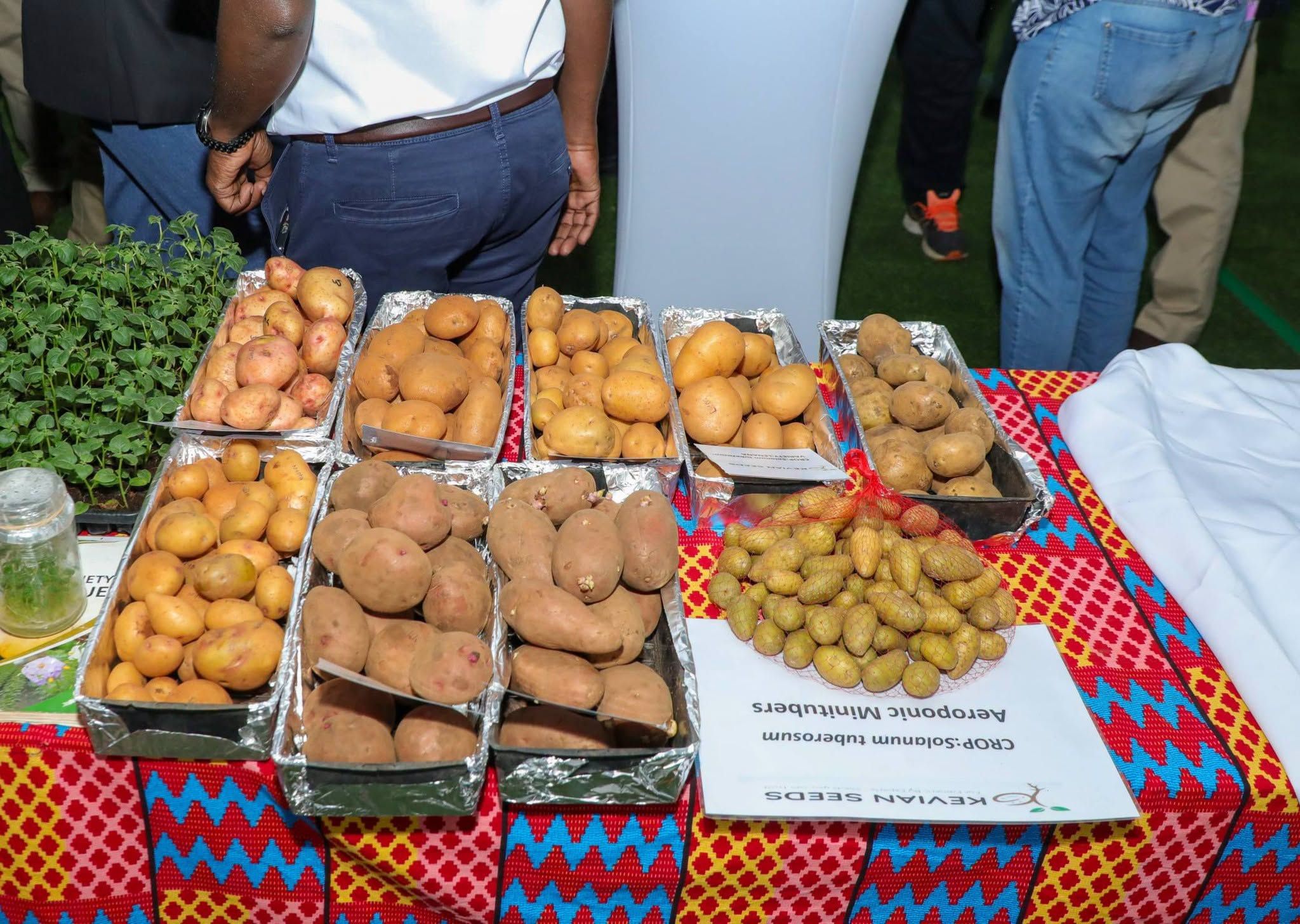
More than 400 manufacturers, from small businesses to large industrial firms, showcased their products at the event.
“When we Buy Kenya, we Build Kenya,” he said, arguing that buying locally creates jobs and opens markets for farmers.
The President said the government was in the final stages of setting up an Industrialization Fund that would offer manufacturers loans at single-digit interest rates. He said the financing would help firms expand production and invest in modern equipment.
Ruto pointed to the Affordable Housing Programme as a source of demand for Kenyan-made cement, steel, tiles, doors and windows. He said 303,910 housing units were at various stages of completion across the 47 counties and that 97 per cent of the materials used in the programme were sourced locally.
Jua Kali artisans, he added, had secured contracts worth Sh61 billion under the programme.
“Previously, you could not talk about billions and Jua Kali in the same sentence,” Ruto said.
The government also plans to offer 50,000 internships from January 2027, with Ruto asking private companies to provide another 50,000. He urged manufacturers to work with training institutions and give graduates practical experience.
“We must develop skills that respond to the needs of industry,” he said.
Investment, Trade and Industry Cabinet Secretary Lee Kinyanjui urged businesses to process more goods locally, while Kenya Association of Manufacturers chairman Hitech Mediratta said the products on display showed what Kenyan firms could make.
“When we import what we can produce, we are exporting jobs,” Kinyanjui said.
Follow our social media pages for breaking news updates, in-depth stories and videos.
news@nairobilens.ke