

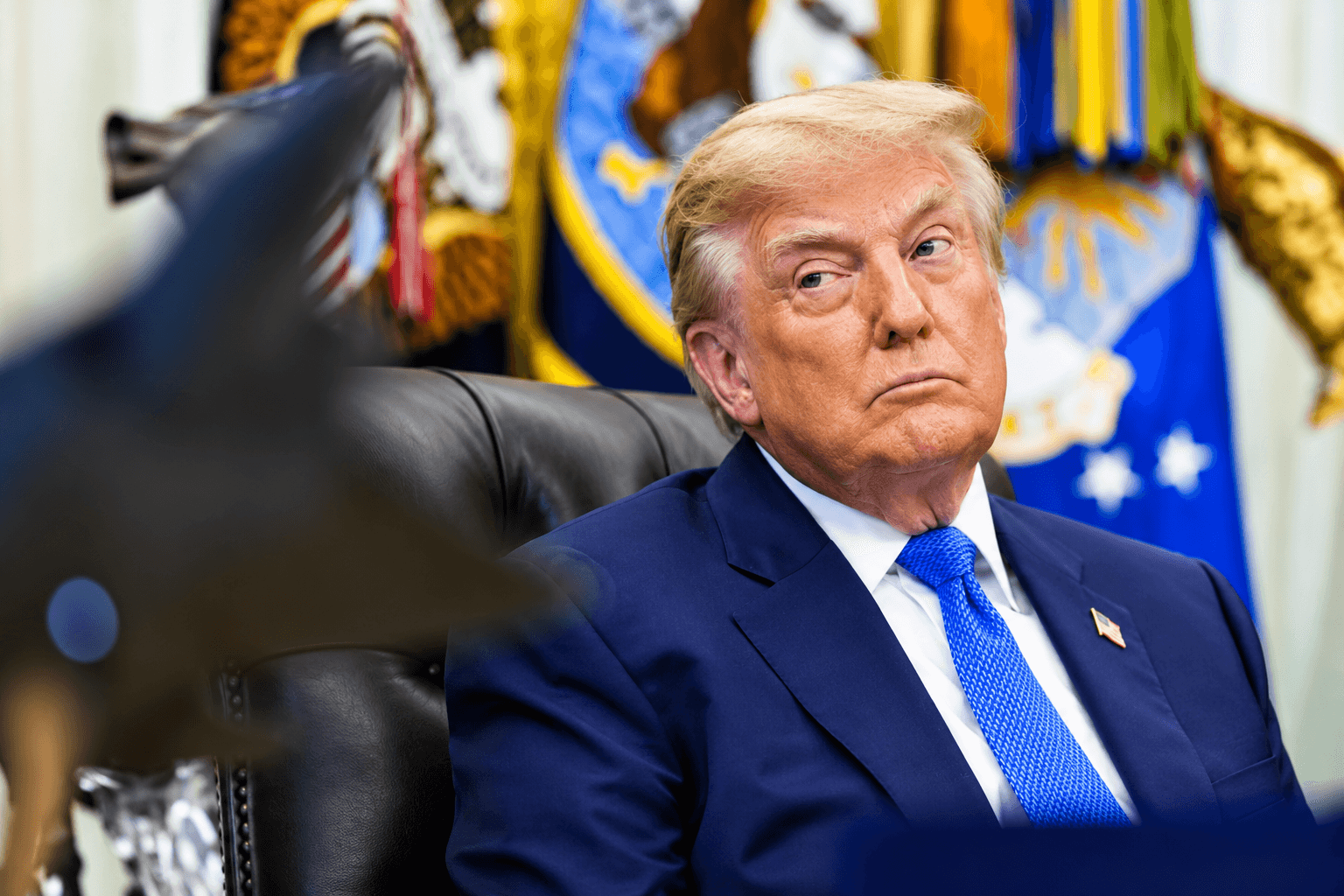
US President Donald Trump will spend the final two years of his term facing a Democratic-controlled Congress after Republicans lost both the House of Representatives and the Senate in the November 3, 2026, midterm elections. The defeat gives Democrats the votes to stall his legislative agenda, challenge his spending plans and put his administration under greater scrutiny.
Democrats flipped Senate seats in Republican strongholds including Texas, Kansas and South Carolina and gained more than two dozen House districts. The losses reached areas Trump had won comfortably in 2024.
High prices and the war with Iran weighed on voters, according to various reports and admissions by both Trump and Vice-President JD Vance.
Vance singled out the conflict in a post after the defeat. “The reason we lost is the war,” he wrote.
Democratic Senator Kirsten Gillibrand said she saw room to work with Republicans to challenge the administration’s approach to Iran and tariffs.
The result leaves Trump politically weakened. The term “lame duck” captures his shrinking leverage on Capitol Hill. His term runs until January 2029, and he still has the power to veto bills, direct federal agencies within the law and conduct diplomacy. The balance shifts when the newly elected Congress takes office in January 2027.
Trump’s bills and budget will also face a tougher route.
Both the House and Senate must approve the same text before a bill goes to the president. By controlling both chambers, Democrats can decide which proposals advance and which get a vote. Trump can still negotiate for measures that attract bipartisan support. He can also veto Democratic bills, forcing Congress to find a two-thirds majority in each chamber to override him.
Spending may offer the clearest test of the new balance of power. Congress controls federal appropriations, giving Democrats a say over fresh funding for priorities such as border wall construction. They can seek lower spending, attach conditions or demand concessions. Agencies can continue spending money already approved by Congress within the terms of the relevant laws. If funding expires before a deal is reached, parts of the federal government could shut down.
Democratic committee chairs can hold hearings, seek records and question administration officials. Those inquiries could put the White House on the defensive and bring internal decisions into public view. Committee investigations can proceed without a vote to impeach.
The House can impeach a president by a simple majority. The Senate would then hold a trial, and conviction requires two-thirds of senators present. A Democratic majority alone therefore falls short of the votes needed to remove Trump if senators vote along party lines.
Trump retains the power to nominate federal judges, ambassadors and senior officials. The Senate can confirm or reject many of those picks, and Democratic leaders can delay hearings or keep a nomination from reaching a vote. That gives them leverage over who fills vacancies, including any opening on the US Supreme Court. Federal judicial appointments can shape rulings long after a president leaves office.
What changes on trade, war and executive orders?
Trump can still negotiate with foreign governments and exercise his authority as commander-in-chief. Formal treaties require the support of two-thirds of senators present, while trade deals that require changes to US law need Congress to pass implementing legislation. Lawmakers can also use spending bills to shape how military operations are funded. For Kenya and other US partners, the practical distinction is whether a White House commitment can be carried out under existing authority or requires a new law or fresh funding.
Executive orders remain one way for Trump to act without a new vote in Congress, provided he has authority under the Constitution or federal law.
Courts can block orders that exceed that authority. Congress can also pass legislation that changes the legal basis for a directive, subject to the president’s veto and lawmakers’ power to override it.
The first spending fights and confirmation votes in 2027 will show how far Democrats are prepared to use their new majorities and where Trump can still strike a deal.
Follow our social media pages for breaking news updates, in-depth stories and videos.
news@nairobilens.ke