
Kenya has recorded its second Ebola-related death after a 65-year-old woman undergoing treatment for the deadly virus succumbed on Friday evening, October 23, bringing the country’s death toll to two.
The Ministry of Health confirmed that the woman, who was Kenya’s third confirmed Ebola patient, died while receiving treatment at an infectious disease unit.
Her death brings the number of fatalities to two out of nine confirmed cases of Bundibugyo Virus Disease, a strain of Ebola currently being contained in the country.
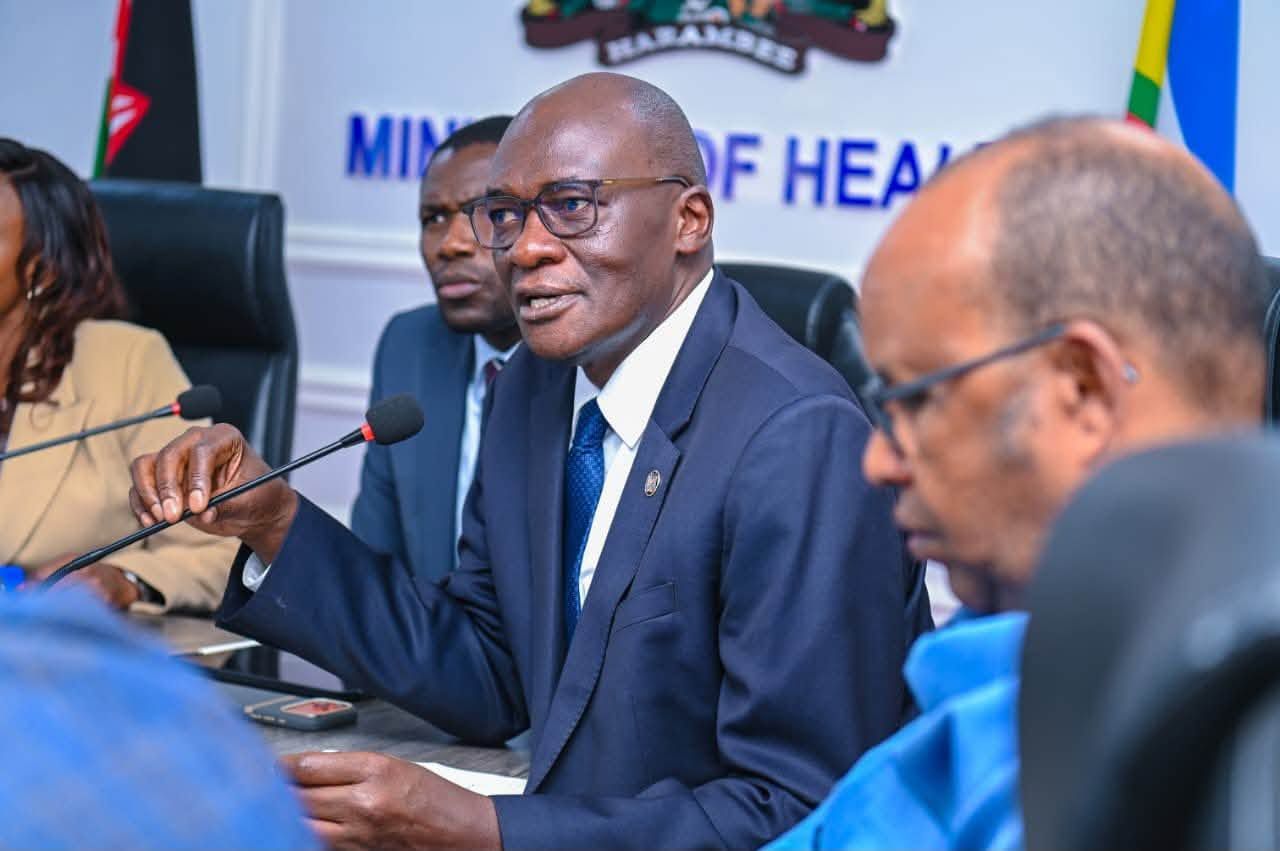
In a statement issued at 10pm on Friday, Director-General for Health Dr Patrick Amoth said the woman was a close family member and direct contact of Kenya’s first Ebola patient, who also died from the disease.
She had been placed under quarantine as part of ongoing contact tracing efforts before developing symptoms on October 13.
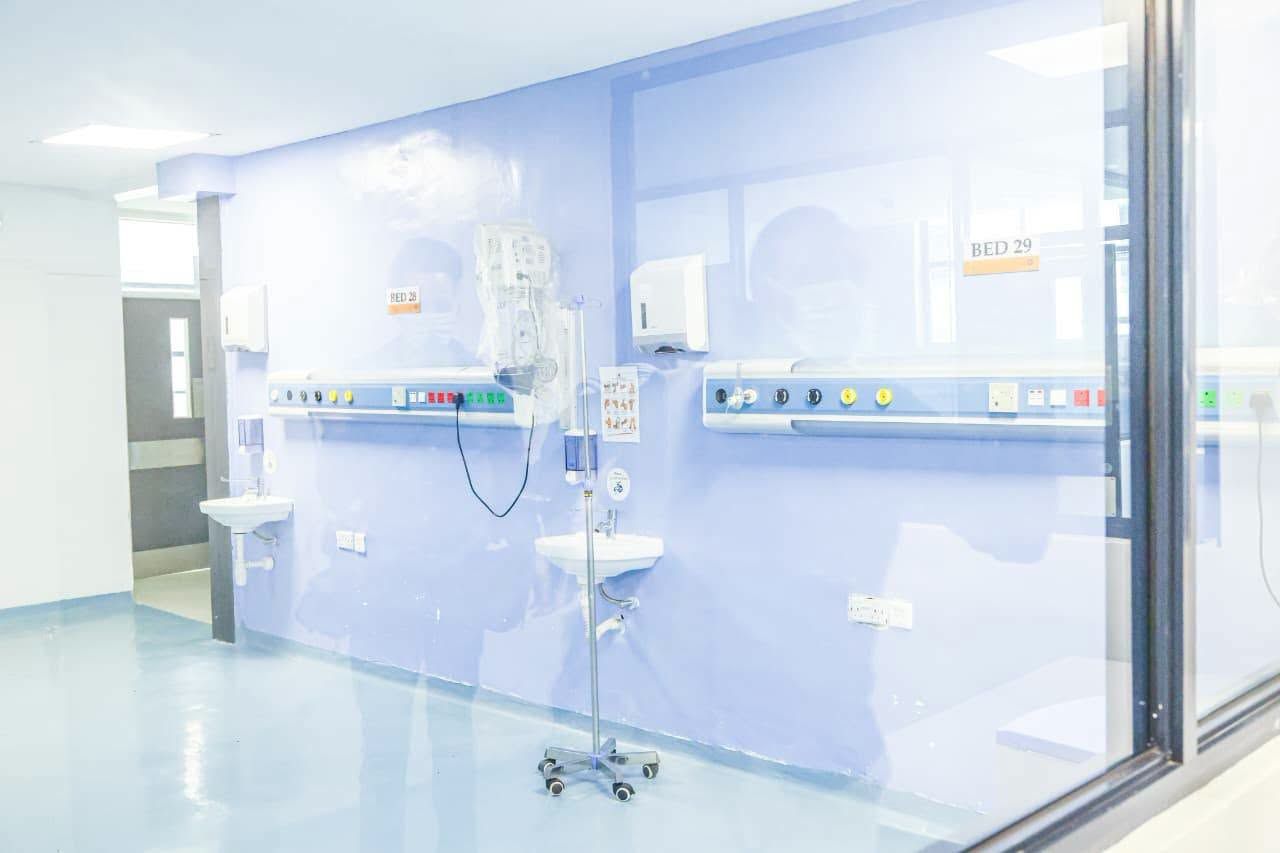
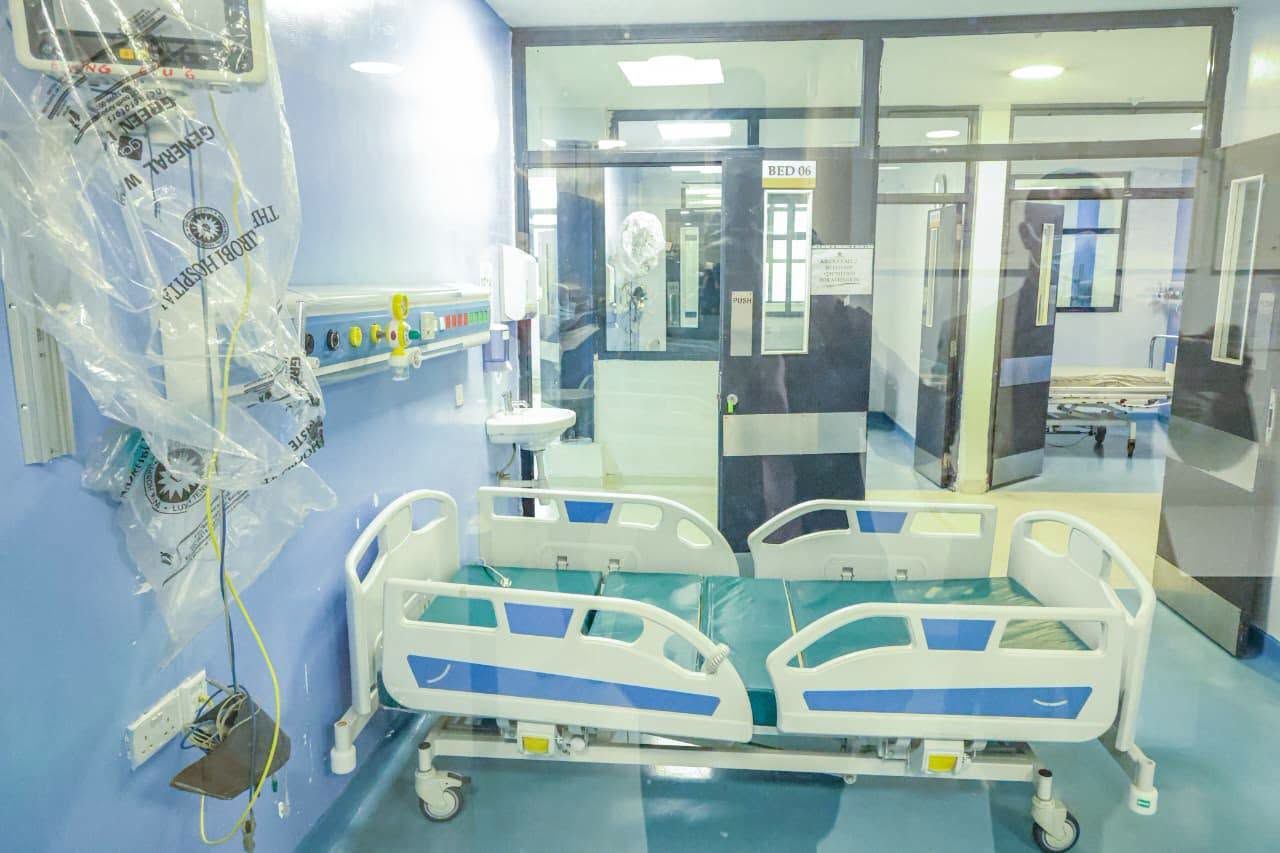
The patient was immediately admitted to an infectious disease unit, where she received supportive treatment for 10 days before her condition deteriorated.
“Sadly, she succumbed to the disease early this evening,” Amoth said.
The ministry said medical teams had made every effort to save her life.
Her family has since been informed of her death, with the government announcing arrangements for a safe and dignified burial in line with established Ebola prevention protocols.
Trained health workers will oversee the burial to minimize the risk of further infections while respecting the family’s religious and cultural beliefs.
“We kindly ask the public and the media to respect the family’s privacy as they mourn their loved one,” Amoth said.
Seven Ebola patients remain in isolation
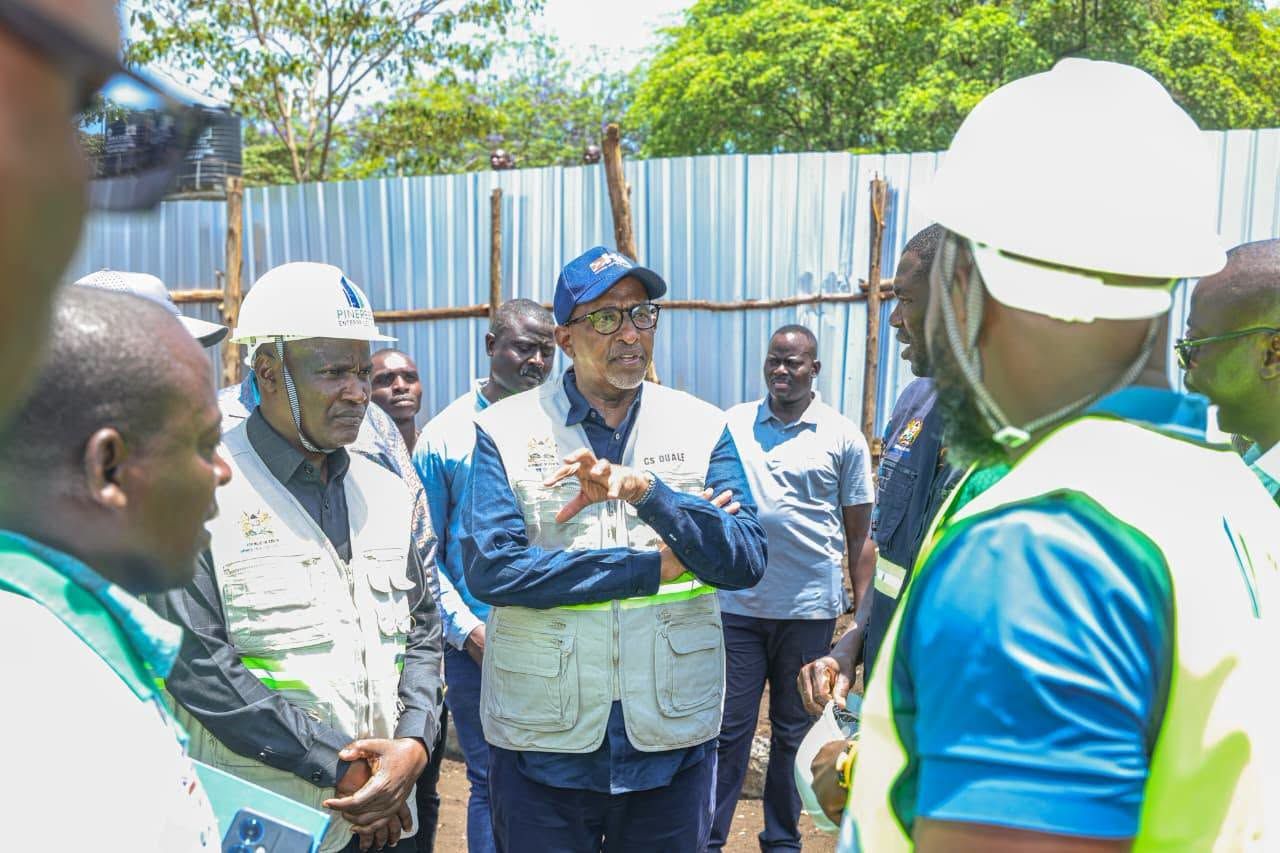
Despite the latest death, the Ministry of Health maintained that the outbreak remains contained within a single cluster of known contacts.
Seven patients are still receiving treatment at two designated isolation facilities.
“All cases remain within one cluster of known contacts, and there is no evidence of community spread,” the ministry said.
The latest development comes just a day after health authorities reported that all eight surviving patients were stable and responding well to treatment.
Kenya confirmed its first Ebola case on October 6 after a patient who had travelled from the Democratic Republic of the Congo died on October 5.
Subsequent infections have been linked to individuals who came into contact with the initial patient, including family members and healthcare workers.
Following the second death, the government has urged Kenyans to remain vigilant, warning that Ebola patients can deteriorate rapidly despite receiving medical care.
Amoth called on the public to avoid direct contact with the blood or bodily fluids of infected individuals and refrain from handling the bodies of people suspected to have died from the disease.
Kenyans have also been advised to seek immediate medical attention if they develop symptoms including fever, muscle pain, weakness, vomiting, diarrhoea or unexplained bleeding.
Follow our social media pages for breaking news updates, in-depth stories and videos.
news@nairobilens.ke