

Kenya has confirmed a second case of Ebola Bundibugyo virus disease, 10 days after the country recorded its first case and death.
The Ministry of Health said the latest patient is a 39-year-old man and a close family member of the first confirmed case.
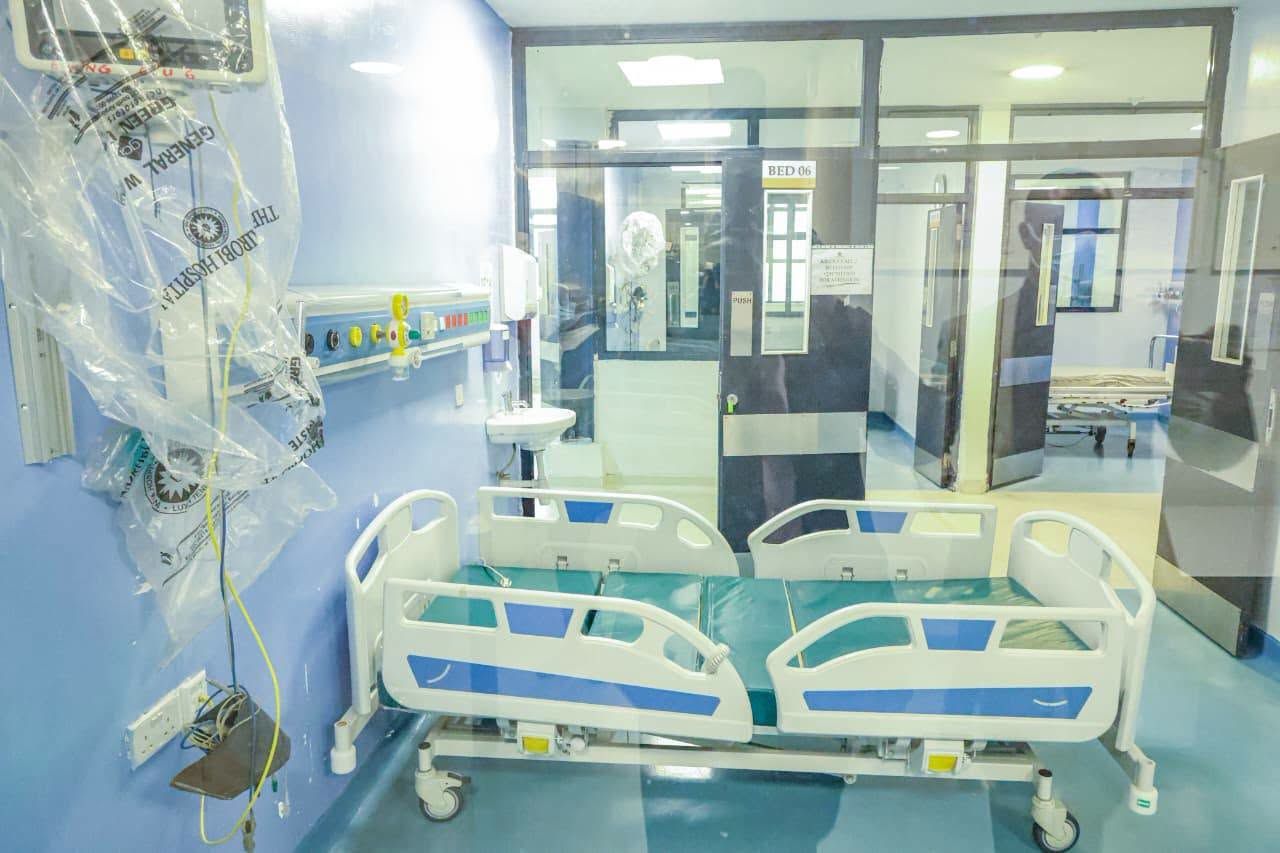
He was already in quarantine and under daily monitoring when he developed fever, fatigue and joint pains on October 13.
Health workers immediately isolated him and collected samples, which later tested positive for the Bundibugyo strain.
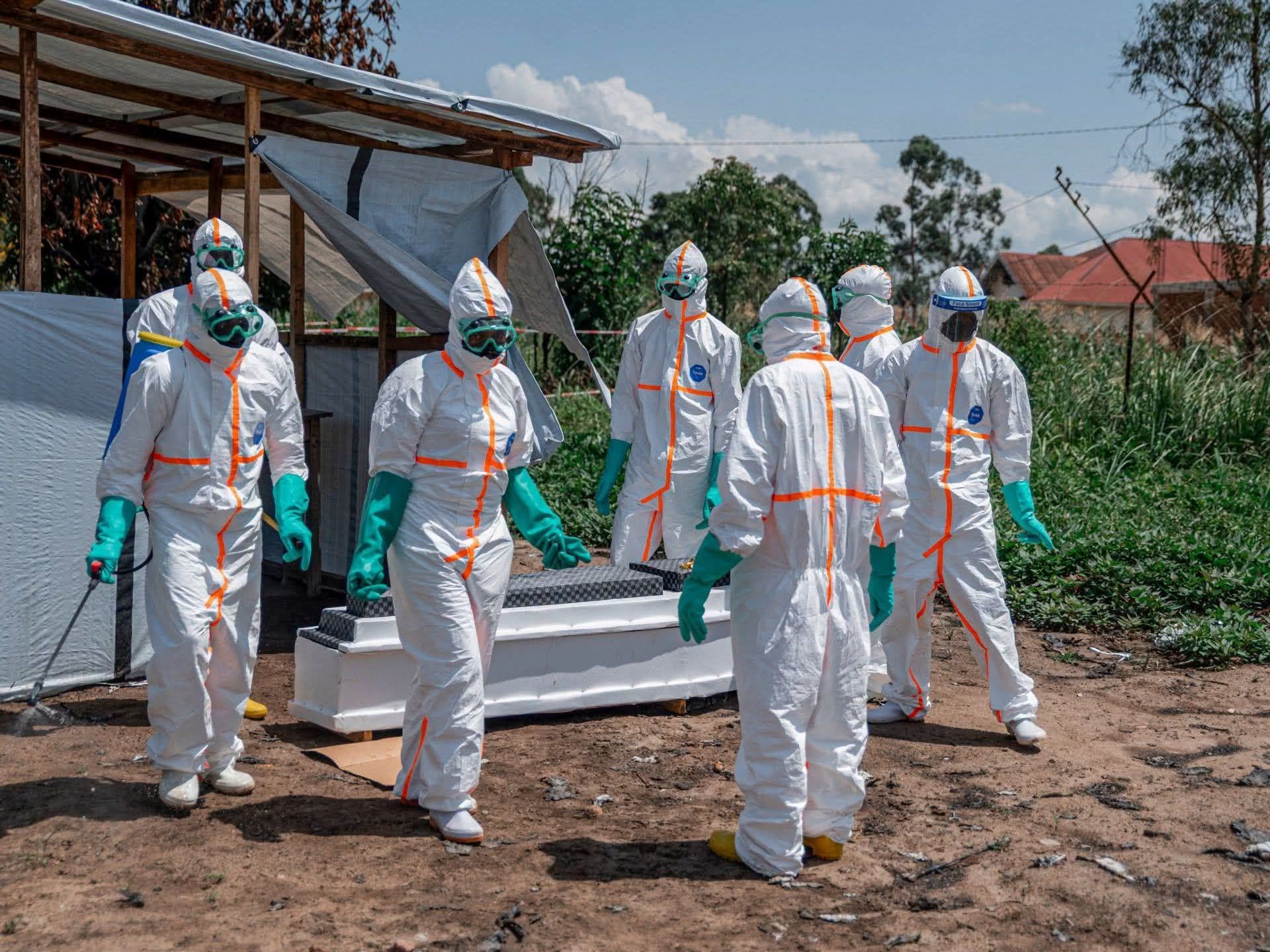
The confirmation brings Kenya’s Ebola cases to two, with one death.
Health Director-General Dr Patrick Amoth said the second case was detected through the existing quarantine and surveillance system, adding that there was no evidence of wider community transmission.
The two cases are linked.
Authorities have now expanded contact tracing to establish whether anyone interacted with the second patient after he developed symptoms, including health workers and quarantine staff.
The ministry had identified 128 contacts linked to the first case by October 13.
Of these, 113 had been traced.
A total of 108 are in quarantine in Kenya and are undergoing daily clinical and temperature checks for 21 days from their last possible exposure.
Five others are outside the country, with authorities in the respective countries notified in line with international health regulations.
Tracing of the remaining 15 contacts is continuing.
The latest confirmation also comes amid concern over gaps in public communication on the Ebola response.
Before announcing the second case, the ministry’s previous update had been issued on October 11.
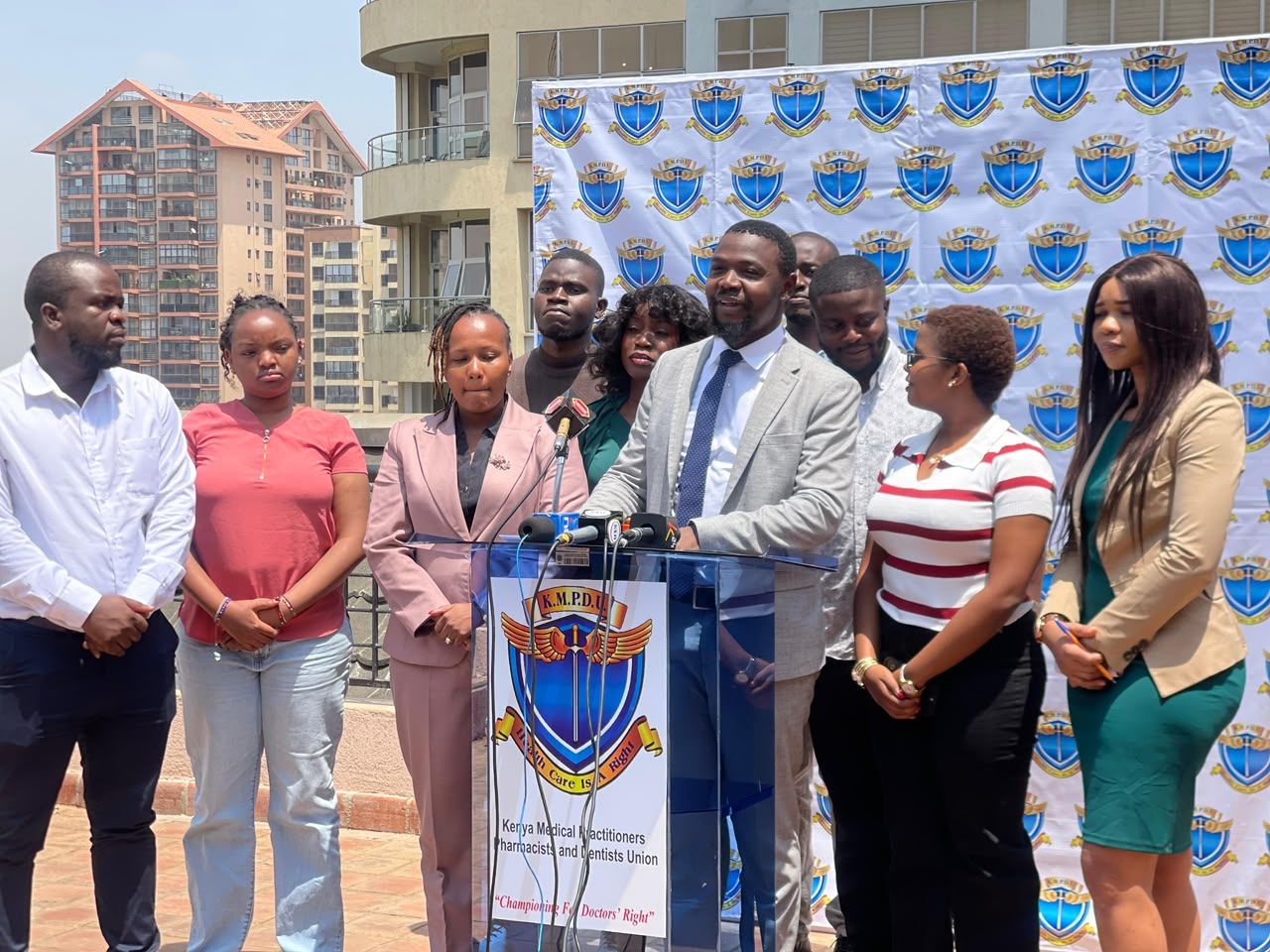
Health experts have warned that irregular communication could fuel anxiety, misinformation and speculation at a time when hundreds of contacts are still being monitored.
Dr Ahmed Kalebi of Dr Kalebi Labs said the government should provide regular updates even when there are no major developments.
“There is definitely a gap because we are not getting the information and that can lead to some anxiety,” Kalebi said.
He warned that information gaps could create suspicion and allow conspiracy theories to spread.
“Just like what used to happen during COVID-19, it is very important that the government provides daily updates,” he said.
The World Health Organization has said there is no evidence of an Ebola outbreak in Kenya, with the confirmed cases linked to the same chain of transmission.
British High Commissioner to Kenya Matt Baugh has also expressed confidence in Kenya’s ability to contain the threat.
“I believe Kenya is well positioned and has the capacity,” Baugh said.
The government has since strengthened public health measures around the disease.
Through a Gazette notice, the Ministry of Health declared Ebola Bundibugyo virus disease a formidable epidemic disease, allowing authorities to enforce containment measures.
The government has also warned of legal action against anyone who violates Ebola control regulations.
Health authorities are now focused on tracing all remaining contacts, monitoring those in quarantine and preventing further transmission as the 21-day observation period continues.
Follow our social media pages for breaking news updates, in-depth stories and videos.
news@nairobilens.ke