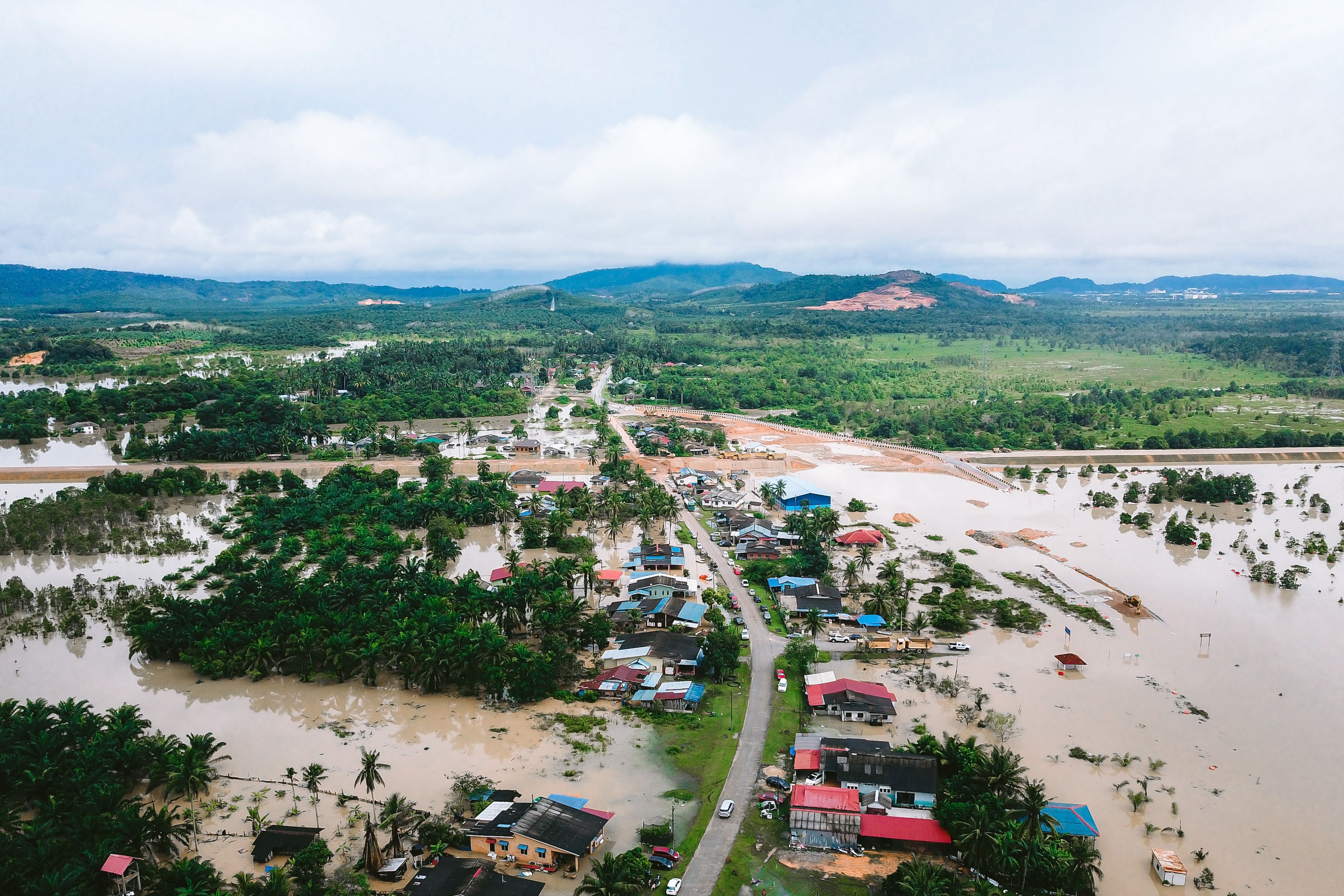

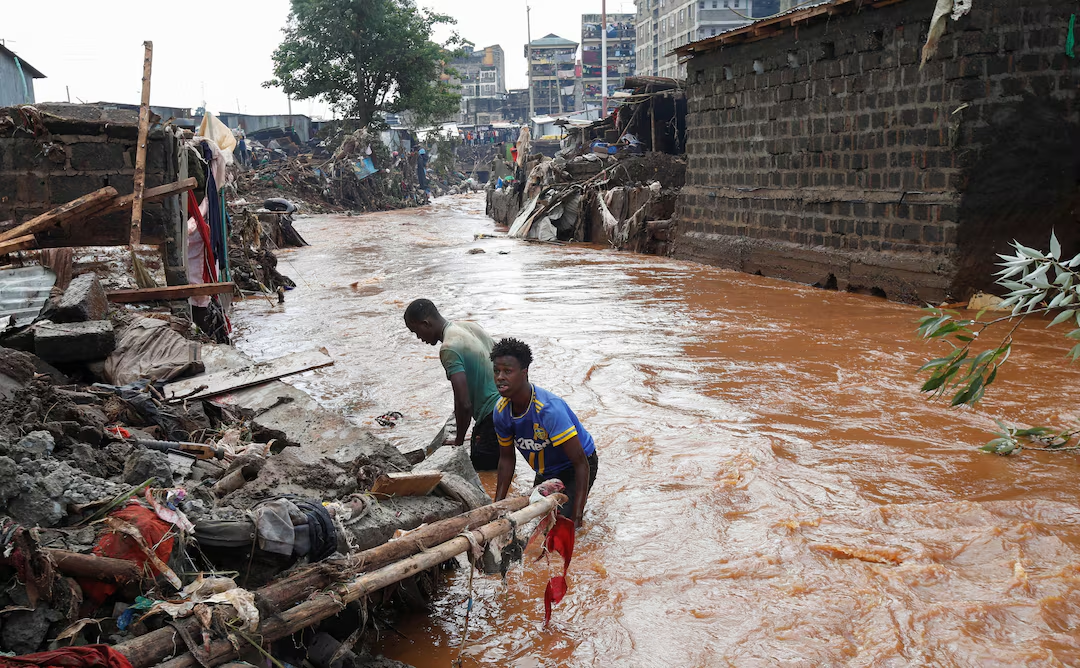
Kenya is once again staring at the same uncomfortable question: after every season of floods, deaths, displacement and destroyed livelihoods, are we truly better prepared for the next climate disaster, or are we simply becoming better at mourning?
The Kenya Meteorological Department has warned that rainfall is expected to continue in several parts of the country between May 26 and June 1, with heavy rainfall likely in parts of the Coast and Garissa. The warning comes after months of destructive flooding that has exposed the country’s familiar weaknesses: poor drainage, settlement in high-risk areas, weak early response, and infrastructure that collapses under predictable seasonal pressure.
This is no longer just a weather story. It is a governance story.
Kenya Red Cross says flooding continues to take “a devastating toll” across the country, with the organisation tracking impacts in 39 counties as of May 2026. It also says more than 60,000 households have been affected, over 12,700 displaced and more than 26 million early warning SMS alerts sent to communities at risk.
Those figures tell two stories at once. One is of a country with improved early warning systems. The other is of communities that remain dangerously exposed even after the warnings are issued.
A senior disaster response officer involved in flood interventions told this writer that warnings alone cannot save lives if counties do not act on them early enough. “The problem is not that Kenya lacks information,” the officer said. “The problem is that information does not always translate into evacuation, drainage clearance, public sensitisation and timely support before disaster strikes.”
That is the gap Kenya must confront.
In March, floods had already killed dozens and displaced thousands, with reports indicating that by the end of the month, at least 110 people had died across 30 counties and nearly 35,000 people had been displaced.
Every rainy season now feels like a national audit. It audits our roads, our drainage, our housing policies, our county preparedness, and our political seriousness. Too often, the results are damning.
A resident of a flood-prone informal settlement in Nairobi captured the public frustration plainly: “They warn us that rain is coming, but where are we supposed to go? We need safe places before the water rises, not promises after our houses are gone.”
That is the heart of the matter. Kenya cannot continue treating floods as isolated emergencies when they are becoming predictable climate events. Preparedness must begin before the clouds gather: clearing waterways, enforcing planning laws, relocating high-risk households humanely, strengthening county disaster budgets, and ensuring alerts are matched with practical evacuation support.
The next flood disaster will not be caused by rain alone. It will be caused by every warning ignored, every drainage line left blocked, and every lesson forgotten after the water recedes.
Follow our social media pages for breaking news updates, in-depth stories and videos.
news@nairobilens.ke