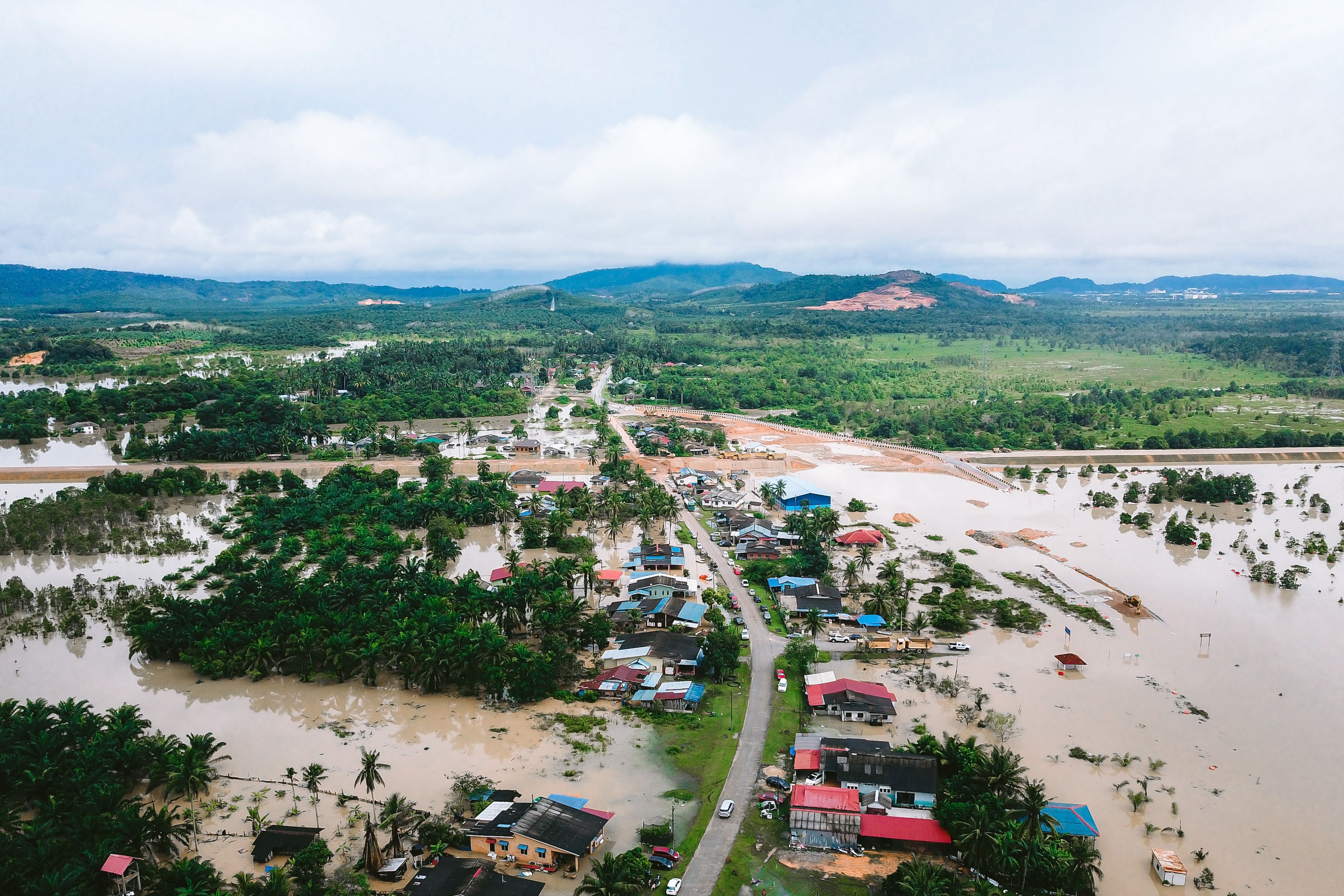

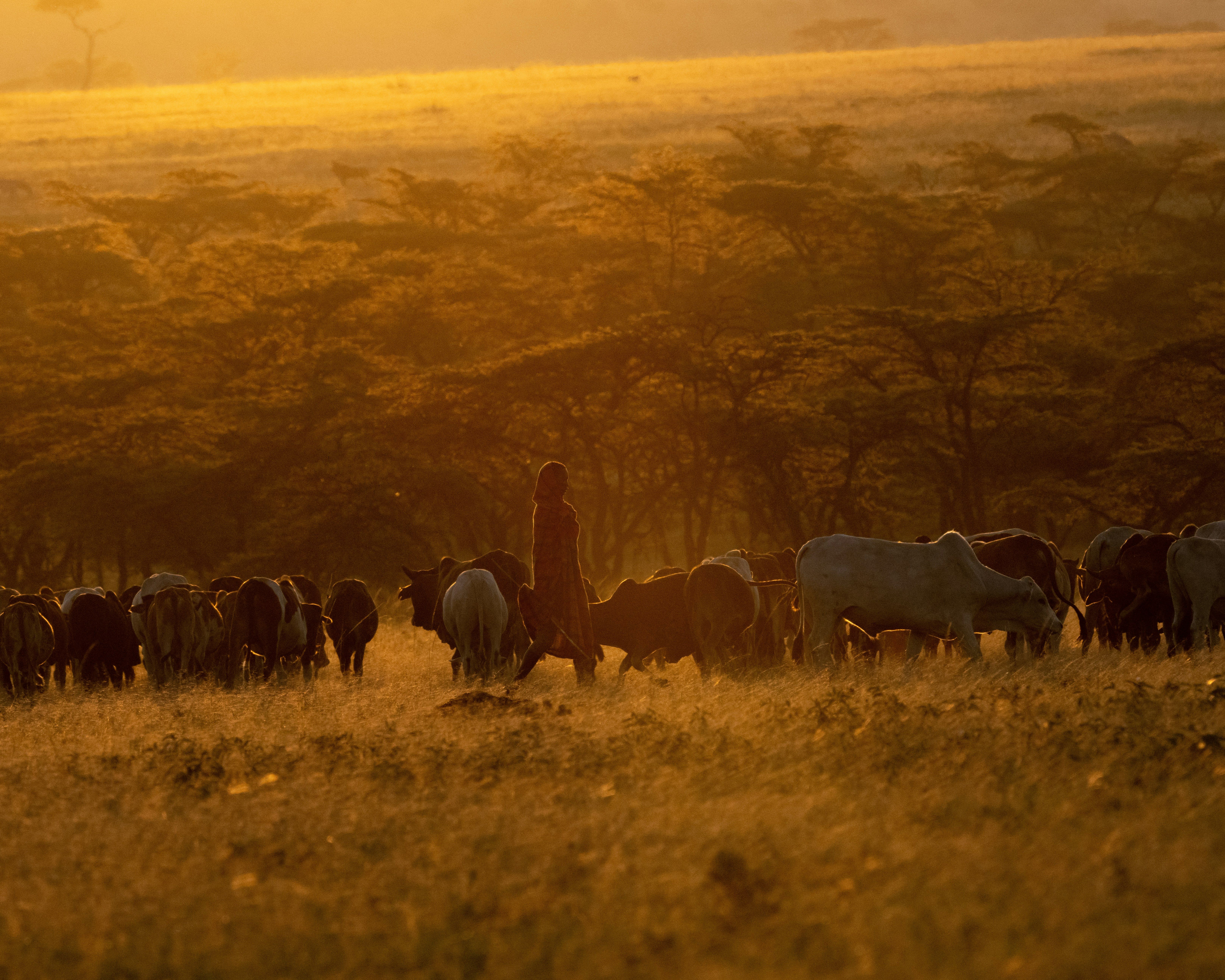
Kenya’s climate crisis is no longer only measured in failed rains, flooded villages, dead livestock or submerged farms. Increasingly, it is being measured in movement – families leaving ancestral land, pastoralists crossing county and national borders in search of pasture, flood victims sleeping in schools and churches, and young people drifting into towns after climate shocks destroy rural livelihoods.
This is the emerging face of climate migration in Kenya.
A recent country brief on climate change, mobility and conflict dynamics in Kenya found that prolonged drought and flooding are among the most cited environmental drivers of mixed migration.
The study, conducted in northern and eastern Kenya, reported that drought was a stronger driver than one-off flood events, with prolonged drought cited by 89 per cent of respondents and flooding by 26 per cent.
That finding captures a reality many communities already understand. Drought does not simply dry rivers. It kills animals, collapses household income, weakens food security, interrupts schooling and increases competition for pasture and water. By the time a family decides to move, migration is often not a choice of ambition, but a strategy for survival.
In Kenya’s arid and semi-arid lands, pastoralist communities have lived with mobility for generations. Movement has always been part of managing dry seasons. But climate change is now stretching that tradition beyond its normal limits.
The dry seasons are becoming harsher, recovery periods shorter, and pasture routes more contested. Climate change has disproportionately affected communities in Kenya’s arid and semi-arid lands, displacing people multiple times.
The result is a new kind of vulnerability. A pastoralist who loses livestock loses more than income. He loses savings, status, food, school fees, marriage assets and a safety net. When animals die, households are pushed into casual labour, charcoal burning, small trade, dependency on relief food, or migration to towns where survival is uncertain.
A humanitarian worker familiar with climate-related displacement in northern Kenya said the country must stop treating movement as a temporary inconvenience.
“These families are not moving because they want to abandon home,” the worker said. “They move because the land can no longer support them in the way it used to. When drought comes again before people have recovered from the last one, displacement becomes repeated and more permanent.”
Flooding is creating a parallel crisis. In western Kenya, Tana River, Garissa, Nairobi’s informal settlements and parts of the Rift Valley, heavy rains have repeatedly displaced households from riverbanks, low-lying settlements and poorly drained urban areas. Recent flooding in Kenya affected several counties, with reports indicating that rivers such as Nyando and Tana burst their banks, causing deaths, displacement and destruction of infrastructure.
For urban families, climate displacement often looks different. It may mean a mother in Mathare rebuilding her house every rainy season. It may mean a family in Mukuru losing bedding, school uniforms and business stock overnight. It may mean children missing school because a bridge has been washed away or because their classroom has become a temporary shelter for displaced families.
Yet Kenya’s response remains largely emergency-driven. Food distribution, rescue operations and temporary shelters are necessary, but they do not answer the deeper question – where should people go when their homes become repeatedly unsafe?
This is where climate migration becomes a planning issue. Counties must identify high-risk settlements, protect water sources, invest in climate-resilient livelihoods and develop humane relocation plans long before disaster strikes.
The national government must also integrate human mobility into climate adaptation, land-use planning, housing, education and security policies.
The conflict dimension cannot be ignored. When drought pushes herders into new grazing zones, competition over water and pasture can inflame existing tensions. The National Drought Management Authority, NEMA, has warned in the past that scarce resources can raise the risk of conflict, especially in pastoral areas under stress. Reuters reported earlier this year that drought had spread beyond Kenya’s arid north into areas such as Kajiado, forcing herders into distress sales and cross-border searches for pasture.
This is why climate migration must not be dismissed as a distant humanitarian issue. It is already affecting security, education, urban planning, food systems and county budgets.
A climate policy analyst put it plainly: “Kenya cannot build climate resilience while ignoring where people are moving, why they are moving, and what happens to them when they arrive.”
That is the challenge before government. Climate shocks are no longer isolated events. Droughts, floods and resource conflicts are forming a cycle that is quietly redrawing Kenya’s human map.
The people moving are not statistics. They are farmers, herders, mothers, schoolchildren, traders and workers trying to survive a climate reality they did not create. If Kenya fails to plan for them, climate migration will become one of the country’s most serious development crises.
Follow our social media pages for breaking news updates, in-depth stories and videos.
news@nairobilens.ke