
President William Ruto has signed into law the Sovereign Wealth Fund Bill, 2026, creating a national investment vehicle intended to preserve part of Kenya’s mineral and petroleum revenues for future generations.
The new law establishes the Sovereign Wealth Fund as a long-term savings and investment framework through which the state will manage proceeds from finite natural resources, cushion the economy from shocks and finance strategic national development projects.
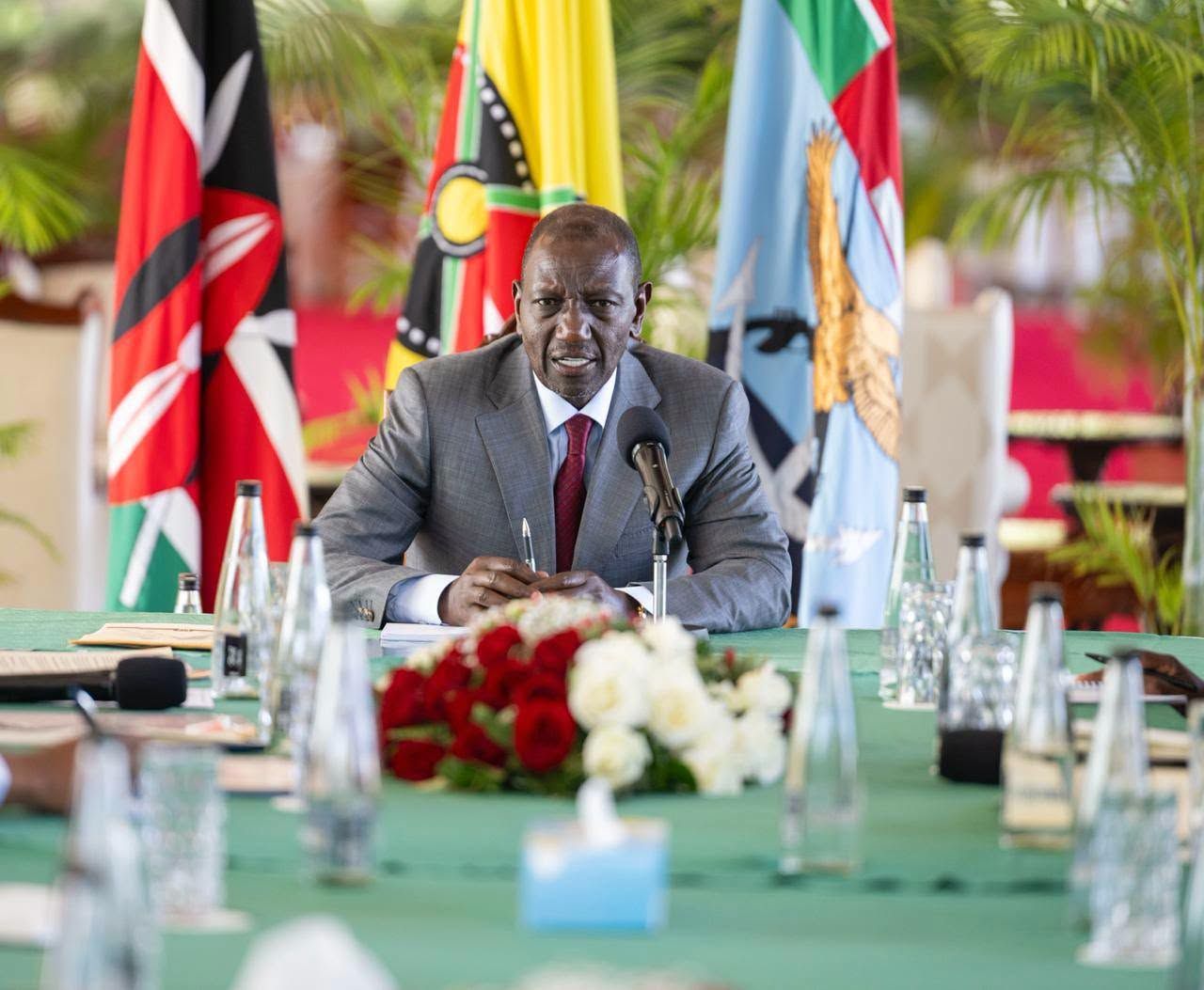
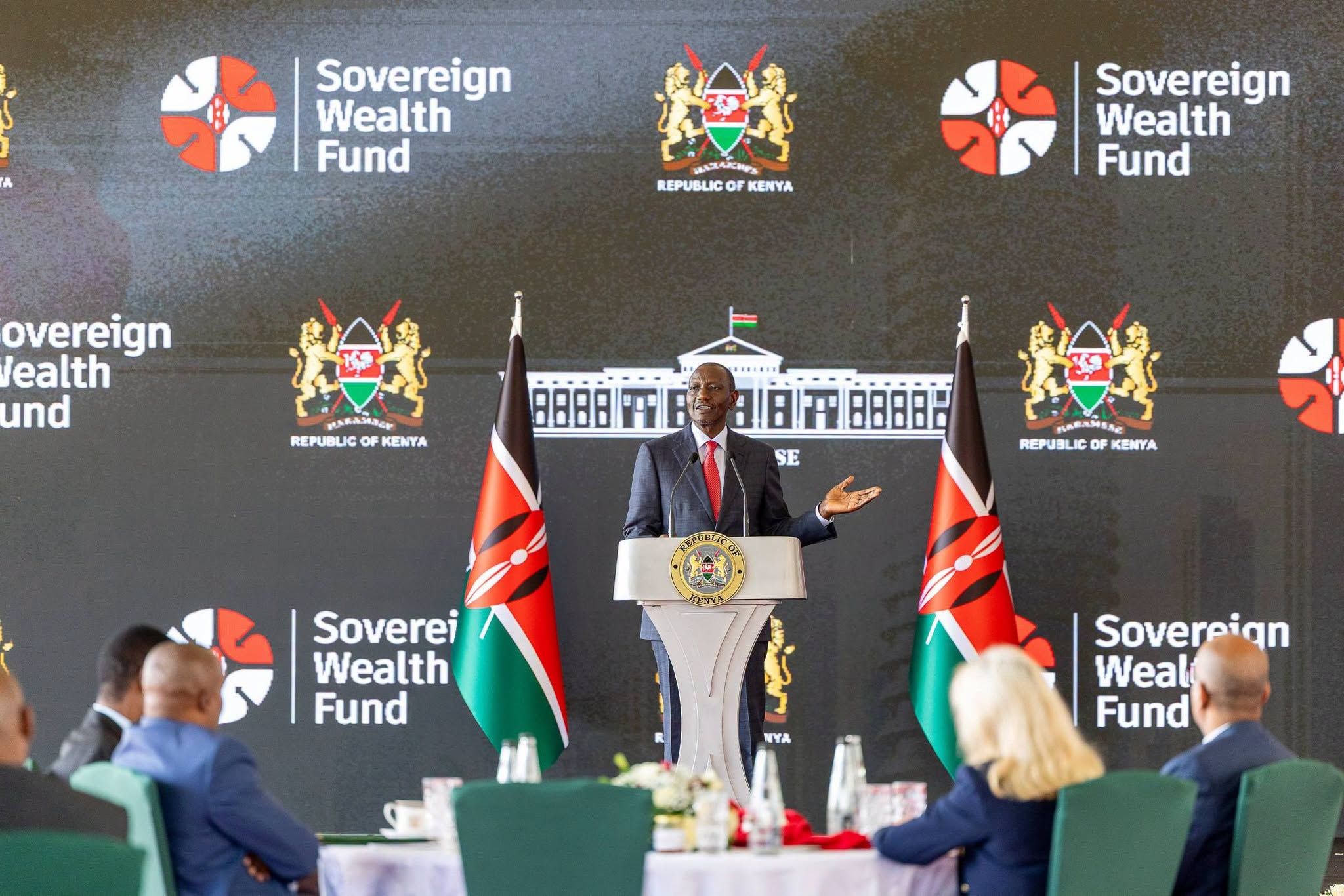
Speaking during the assent ceremony at State House, Nairobi, on Wednesday, Ruto described the law as a historic shift in how Kenya manages public wealth, saying the country must avoid consuming all proceeds from natural resources at the expense of future citizens.
“Today, Kenya changes how it will preserve its wealth. Today, we enshrine in law the institution that will ensure that the prosperity those assets create endures for generations,” the president said.
Under the Act, 30 per cent of revenues from petroleum and mineral resources will be channelled into the Urithi Fund, a savings arm dedicated to future generations. The remaining revenues will support economic stabilization and strategic investments.
The fund will operate through three key windows. The Stabilization Fund will help cushion the economy against external shocks, the Strategic Investment Window will finance priority national development projects and support job creation, while the Urithi Fund will invest part of resource revenues for future Kenyans.
Ruto said the law had been informed by global examples, including Norway’s Government Pension Fund and Botswana’s Pula Fund, arguing that natural resources only translate into lasting prosperity when backed by strong institutions.
“The lesson from each of these nations is unmistakable. Natural resources create opportunity. Institutions determine destiny,” he said.
The president said Kenya had drawn lessons from past extraction of natural resources, citing titanium mining in Kwale, where mineral deposits were exhausted without creating sufficient long-term national wealth.
He said the fund comes at a critical time as Kenya prepares for commercial oil production in the Lokichar Basin in Turkana and moves to exploit newly confirmed deposits of strategic and industrial minerals across the country.
“Every barrel extracted should become an asset that never runs dry,” Ruto said.
According to the president, a nationwide mineral survey has confirmed Kenya’s significant mineral potential, which he said could support industrialization, exports and employment if managed prudently.
The Act provides for independent professional management, parliamentary oversight, transparent public reporting and auditing mechanisms. Ruto said those safeguards were necessary to protect the fund from political misuse and ensure public confidence.
“The Sovereign Wealth Fund will not belong to any government but to the Republic of Kenya. Every shilling must be accounted for, every decision guided by prudence and every investment measured by the legacy it leaves for future generations,” he said.
The fund becomes the second major financial institution created under the government’s economic transformation agenda after the National Infrastructure Fund, established in March 2026.
Ruto also used the ceremony to defend the government’s wider public-private partnership model, saying collaboration with private investors, pension funds and capital markets would help finance major infrastructure without overburdening public debt.
He cited projects such as Talanta Sports City Stadium, the Bomas International Convention Complex and the Rironi-Mau Summit road expansion as examples of initiatives supported by the emerging financing model.
The president said the same approach would be applied in the proposed KSh150 billion upgrade of Jomo Kenyatta International Airport, where the government expects to deploy KSh20 billion from the National Infrastructure Fund to attract additional private capital.
“That is how transformation works, with investors, pension funds and fund managers coming together to implement major infrastructure projects,” he said.
Deputy President Kithure Kindiki pledged to support the president’s push to expand the private sector’s role in national development, saying the new fund would help build a stronger economy for future generations.
ODM Party Leader Oburu Oginga welcomed the law, describing it as a progressive move that would help Kenya preserve finite resources instead of exhausting them without long-term benefit.
“With such funds, you go to the capitals of the world to discuss trade and mutually beneficial relations instead of begging,” Oginga said. “Other people are not obliged to develop your country; we must do it ourselves with our own resources.”
National Assembly Speaker Moses Wetang’ula termed the enactment a major milestone for the 13th Parliament, noting that previous attempts to establish a sovereign wealth fund had failed.
Treasury Cabinet Secretary John Mbadi said the law places Kenya among countries seeking to use natural resource revenues to build long-term national wealth and promote inter-generational equity.
Private sector leaders also backed the fund. Equity Group Chief Executive James Mwangi said it would help de-risk major public investments and attract commercial capital, while KCB Group Chief Executive Paul Russo said strong governance structures could make Kenya more attractive to global investors.
CPF Financial Services Group Managing Director Hosea Kili described the fund as a game-changer but proposed future amendments to allow private citizens and institutions to contribute directly.
Ruto commended parliament for passing the law, saying legislators had laid a foundation that would outlive the current generation.
“History will remember you not as the parliament that debated Kenya’s future, but as the Parliament that legislated it into being,” he said.
Follow our social media pages for breaking news updates, in-depth stories and videos.
news@nairobilens.ke