
President William Ruto has called for urgent investment and stronger global partnerships to expand access to clean cooking in Africa, warning that nearly one billion people on the continent still depend on traditional and polluting fuels with severe consequences for health, education, forests and climate action.
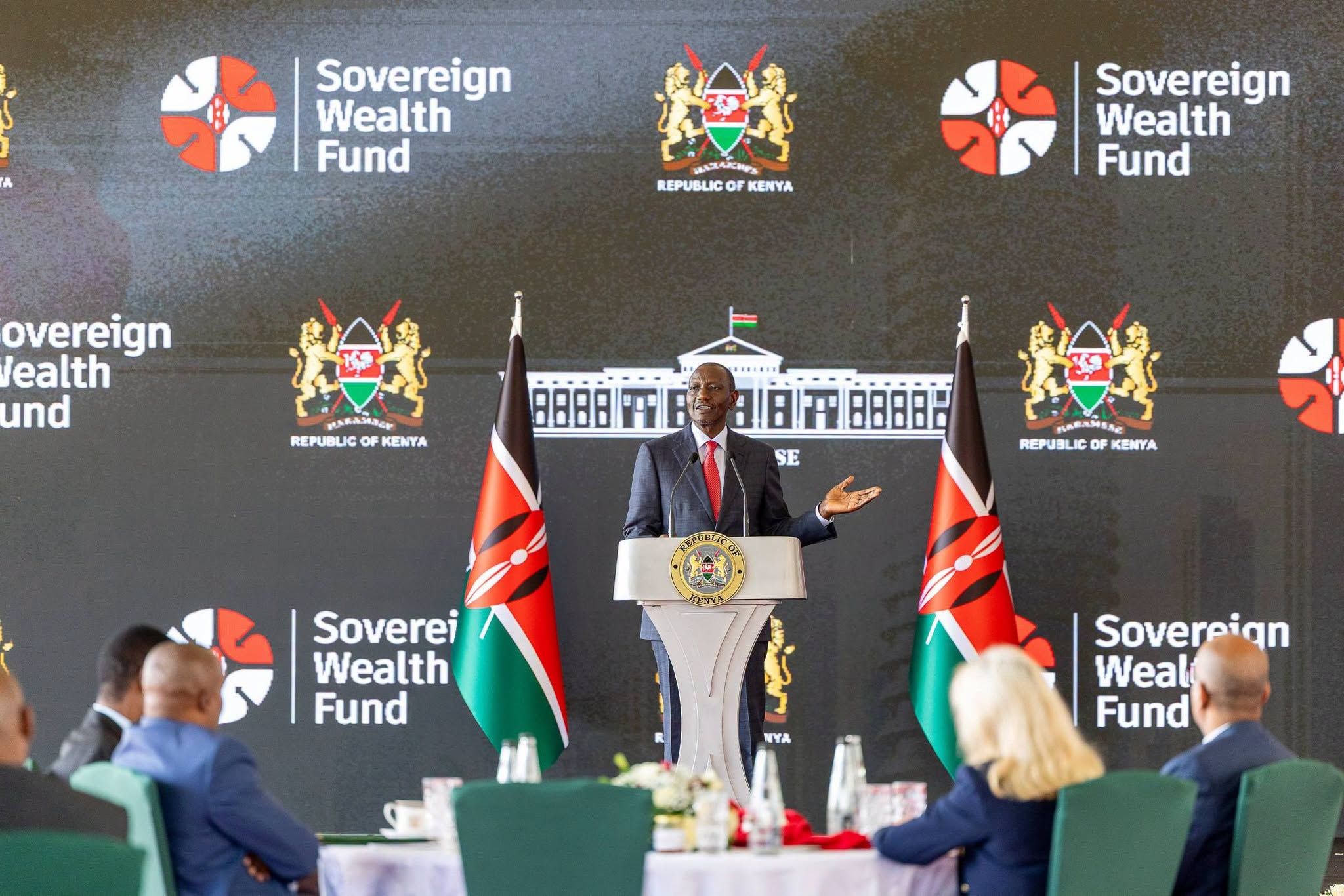
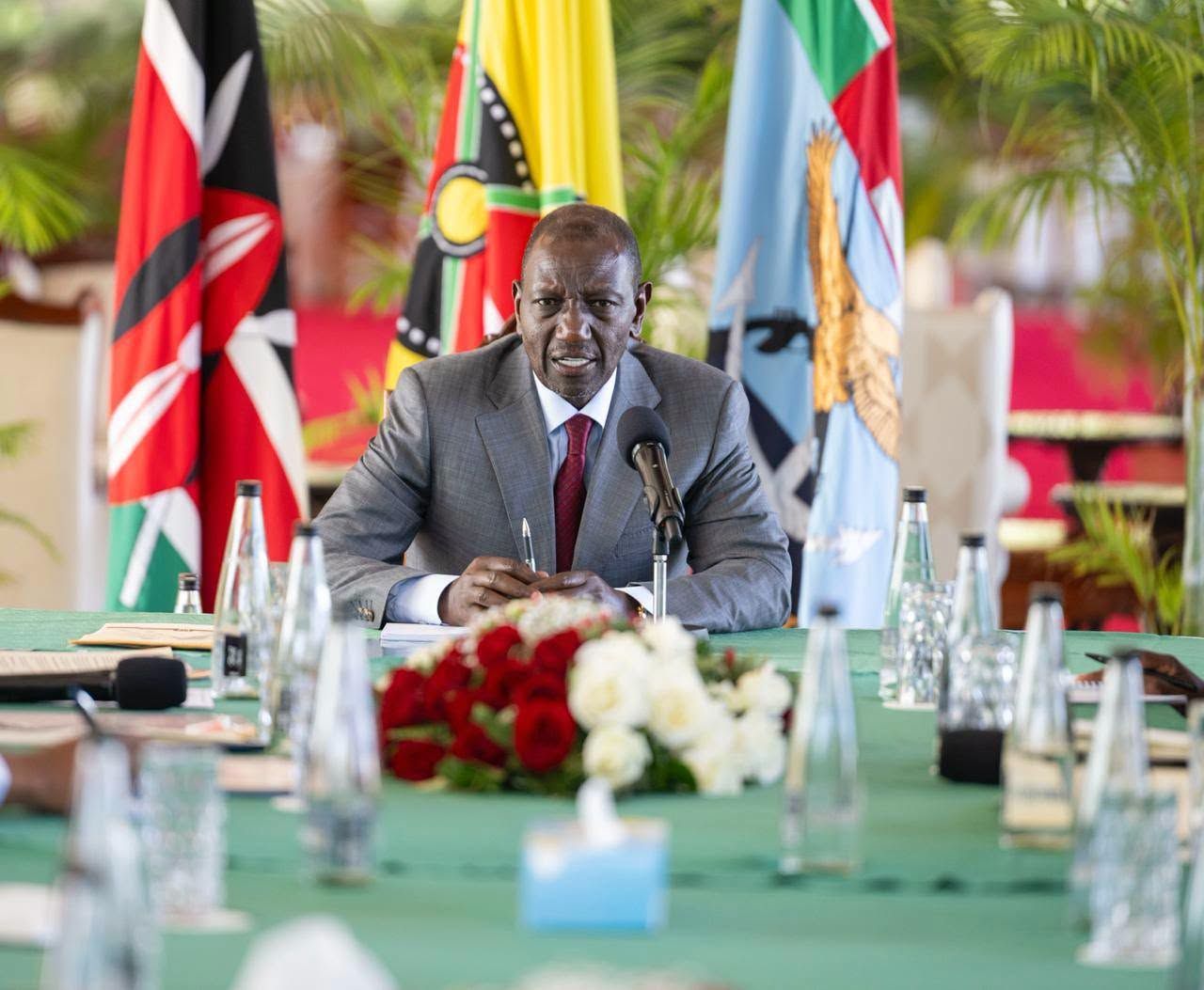
Speaking on Wednesday during a high-level virtual event on keeping clean cooking high on Africa’s development agenda, president Ruto said African countries and development partners must move faster, with less than five years left to meet the Sustainable Development Goals.
“Nearly one billion Africans still rely on traditional and polluting cooking fuels, with profound consequences for public health, education, environmental sustainability and climate action,” the president said.
The virtual meeting had initially been planned as the Second Africa Clean Cooking Summit, which was to be hosted in Nairobi. It brought together key global leaders, including International Energy Agency Executive Director Fatih Birol, Norwegian Prime Minister Jonas Gahr Støre and United States Secretary of Energy Chris Wright.
President Ruto said the clean cooking challenge is not limited to households.
He noted that thousands of schools, hospitals, prisons and other public institutions across Africa continue to depend on firewood, putting further pressure on forests and exposing millions of people to harmful indoor and outdoor air pollution.
He said Kenya has placed clean cooking at the centre of its development agenda through the Kenya National Cooking Transition Strategy, which targets universal access to clean cooking by 2028.
However, the president acknowledged that achieving the target will require significant financing. He said Kenya needs about $435 million, equivalent to approximately Sh56.5 billion, to deliver universal household access to clean cooking. An additional $590 million, about Sh76.7 billion, is required to transition institutions to cleaner energy solutions.
“The financing challenge extends across Africa. Closing the continent’s clean cooking access gap will require investment at an unprecedented scale,” he said.
President Ruto welcomed the announcement of $900 million, approximately Sh117 billion, in new commitments towards clean cooking. He also commended the launch of the Clean Cooking Security Programme, saying such initiatives are critical to accelerating the continent’s transition away from harmful cooking fuels.
He announced that Kenya will become an inaugural member of the newly integrated Clean Cooking Alliance under the International Energy Agency. The President said the move underlines Kenya’s commitment to advancing clean cooking both locally and across Africa.
According to Ruto, Kenya’s partnership with the alliance has already supported the establishment of Africa’s first Clean Cooking Delivery Unit, which is helping speed up adoption of cleaner cooking solutions in institutions.
“As host of the rescheduled summit, Kenya remains fully committed to sustaining this momentum. We look forward to welcoming leaders once again in Nairobi and to advancing this shared agenda together,” he said.
The president urged African leaders, donors and development partners to ensure that pledges made during the forum are translated into practical interventions that improve lives across the continent.
“Together, let us turn today’s commitments into lasting impact for the people of Africa,” he said.
Dr Birol said clean cooking has attracted stronger political attention over the past two decades, with several African countries making clean energy transition a national priority. He commended President Ruto for championing clean energy access in Kenya and on the continent.
He said sponsors and development partners had pledged $2.2 billion for clean cooking, to be released in tranches between 2024 and 2030. Out of this, $750 million has already been disbursed to African countries.
Dr Birol noted that while Africa has recorded progress in the uptake of clean energy, the scale of the challenge remains high. He said four out of five people in Africa still use unsafe and inefficient cooking methods.
“This causes 850,000 premature deaths due to pollution and respiratory diseases,” Dr Birol said.
Prime Minister Støre described clean cooking as one of the most underfunded areas in global development and climate policy. He said the right policies and partnerships were already in place, but urgent implementation was needed.
He said access to clean cooking would deliver multiple gains, including better health outcomes, women’s empowerment, protection of biodiversity, faster economic growth and climate justice.
“It is encouraging to see that African countries are making progress and showing that affordability barriers to clean energy can be overcome,” Mr Støre said.
Secretary Wright also praised president Ruto’s leadership on clean cooking, saying Kenya had set clear targets on clean energy access.
“You have been delivering leadership and setting targets for clean energy access,” Mr Wright said.
He described access to clean energy as a universal challenge, but also “the largest solvable problem.” He said about a quarter of the global population still uses traditional cooking methods, a situation he linked to poor health, shorter lifespans and entrenched poverty.
Mr Wright said expanding access to abundant and affordable energy would particularly benefit women, who often spend hours collecting traditional fuel and cooking in unsafe conditions.
The leaders agreed that clean cooking must remain high on Africa’s development and climate agenda, not as a secondary issue, but as a practical pathway to better health, environmental protection and inclusive economic growth.
Follow our social media pages for breaking news updates, in-depth stories and videos.
news@nairobilens.ke