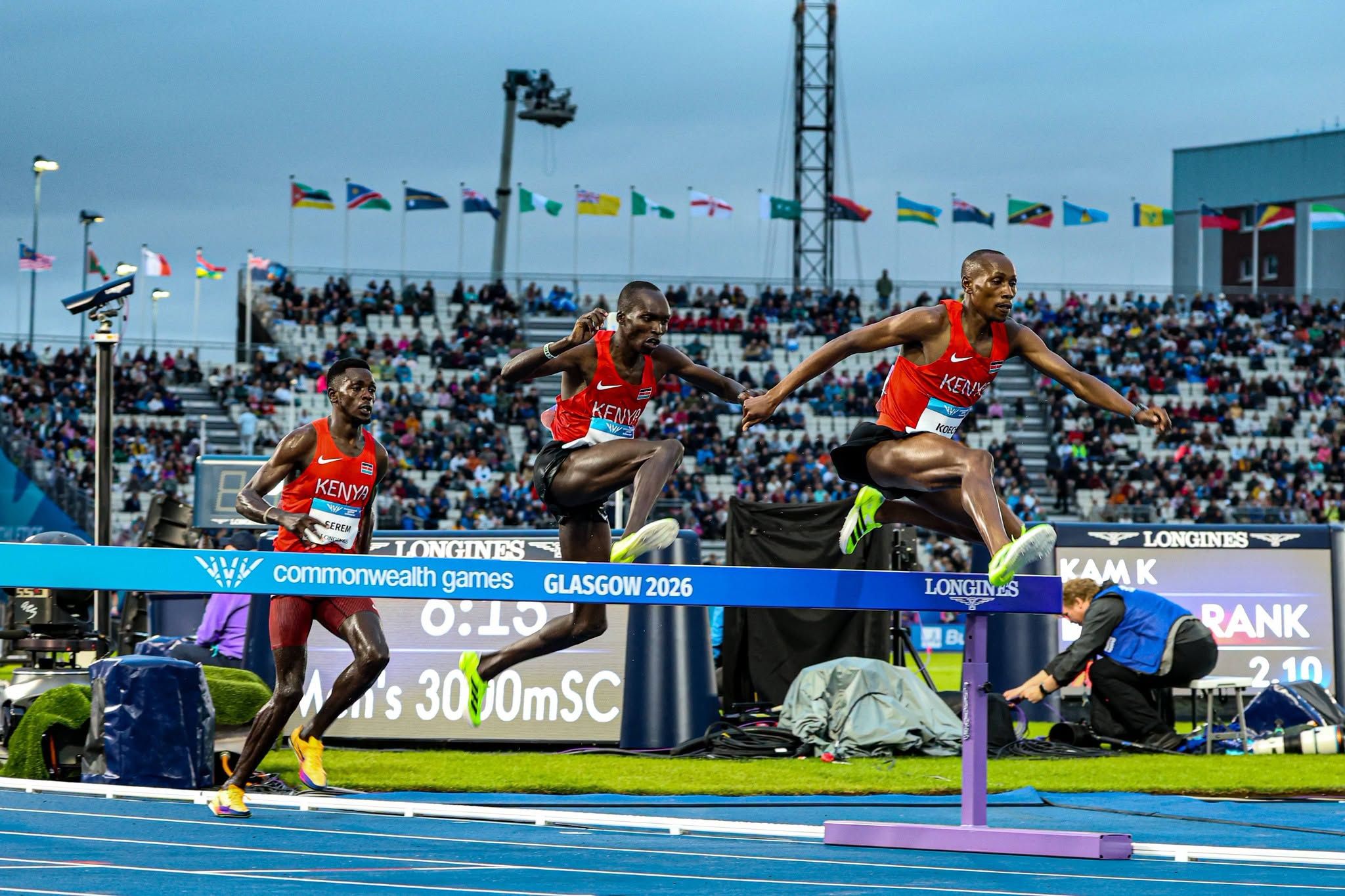
African athletes are emerging as major contenders at the 2026 Commonwealth Games in Glasgow, with Kenya, Nigeria and South Africa leading the continent’s push for medals across athletics, swimming, weightlifting, netball and para-sport.
Early results have already demonstrated Africa’s strength and depth. Nigeria has established itself among the leading countries on the medal table, while South Africa has registered notable performances in the pool and on the netball court.
South African swimming great Chad le Clos made history after winning his 19th Commonwealth Games medal, becoming the most decorated male athlete in the competition’s history.
The country’s netball team also produced a commanding performance, defeating Tonga 96-42 in a record-breaking victory.
Athletes and teams from Kenya, Uganda, Botswana, Nigeria and South Africa have also featured prominently in swimming, basketball, netball and para-sport, reinforcing Africa’s growing influence at the Games.
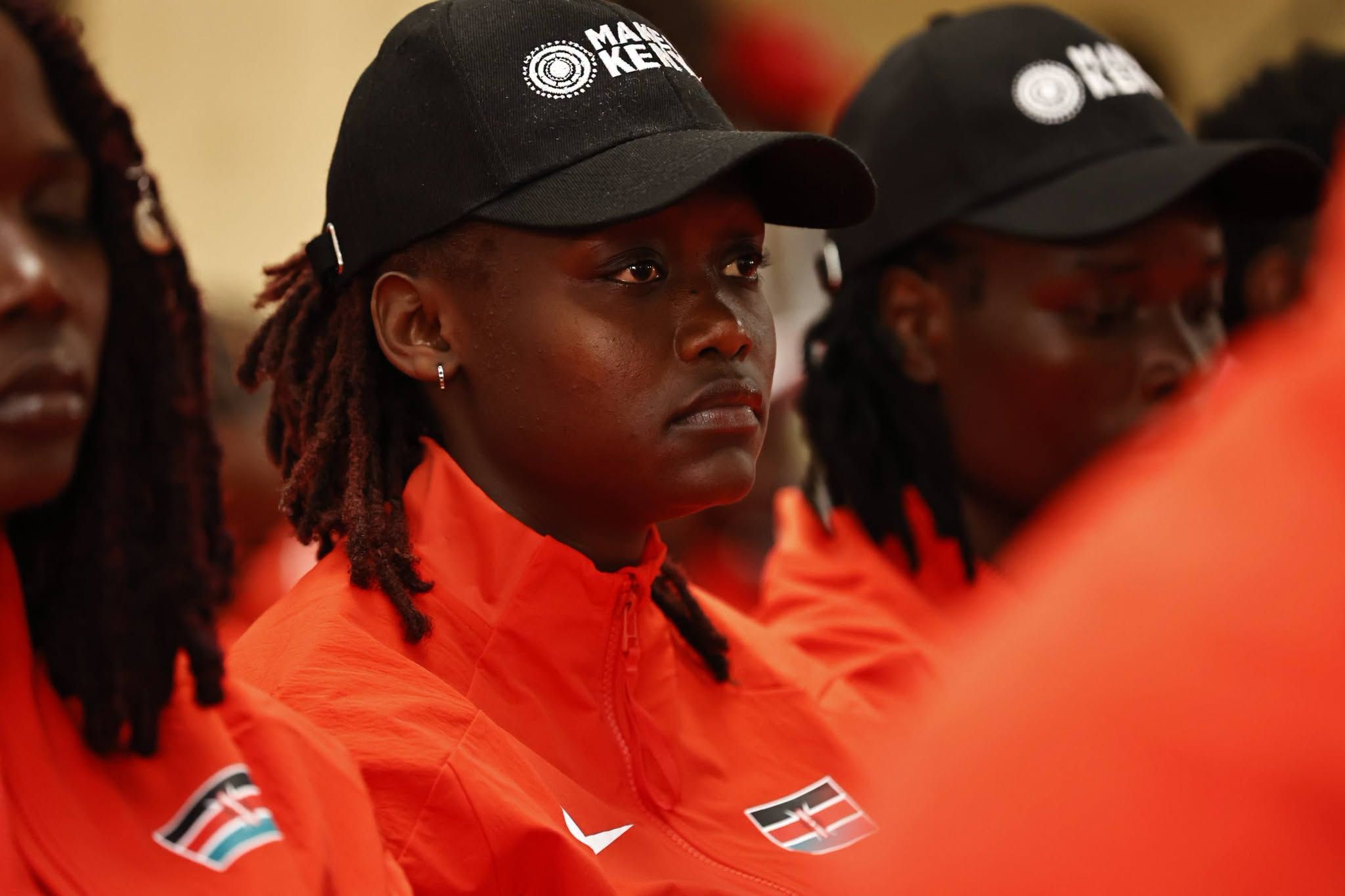
For Kenya, much of the attention will be on athletics, where the country has traditionally built its Commonwealth Games success.
Kenya’s reputation as a global middle- and long-distance running powerhouse makes its athletes strong medal prospects as track competition intensifies in Glasgow.
A combination of experienced international competitors and emerging runners is expected to strengthen Kenya’s challenge, particularly in the distance events that have historically delivered some of the country’s most memorable performances.
Nigeria is also targeting a strong finish, with significant expectations in sprinting, field events, weightlifting and para-sport.
Favour Ashe, who is competing in the men’s 100 metres, is among the athletes seeking to restore Nigeria’s position among the Commonwealth’s leading sprinting nations.
South Africa, meanwhile, has one of the continent’s most balanced teams.
World champion swimmer Pieter Coetzé leads a strong swimming contingent, while South Africa is also expected to challenge for medals in athletics, boxing, netball and para-sport.
Beyond the traditional sporting powers, Botswana, Uganda and Zambia are increasingly becoming serious contenders.
Botswana’s sprint programme has produced world-class athletes, including Letsile Tebogo, while Zambia and Uganda continue to expand their presence in athletics and other international competitions.
The compact Glasgow programme could further favour African countries. Athletics and swimming remain central to the schedule, giving the continent’s leading competitors several opportunities to reach the podium.
The men’s 100m and 400m are among the events in which Games records could come under pressure. Botswana, Zambia and South Africa have produced some of the world’s fastest athletes in recent seasons, setting the stage for highly competitive races.
The women’s mile and 200m butterfly are also expected to attract attention, while the record of eight medals by one athlete at a single Games will be monitored until the competition ends on August 2.
First held in Hamilton, Canada, in 1930, the Commonwealth Games have grown from about 400 athletes representing 11 nations to thousands of competitors from more than 70 nations and territories.
As the medal battles continue, attention will turn to which African athletes can withstand the pressure, break records and produce defining moments on one of the Commonwealth’s biggest stages.
Follow our social media pages for breaking news updates, in-depth stories and videos.
news@nairobilens.ke