
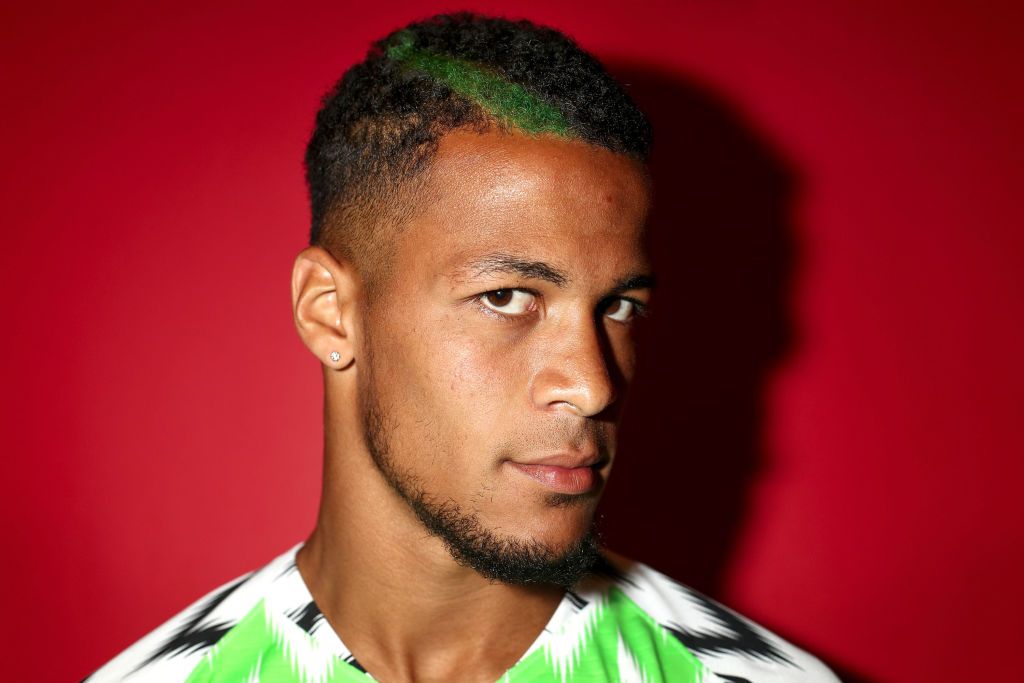
William Troost-Ekong’s reflections on the FIFA World Cup capture both the promise and the frustration of African football. As Morocco prepares for a high-stakes Round of 16 clash against France, the former Super Eagles captain is proud of Africa’s growing influence on the global stage, but Nigeria’s absence remains a painful reminder of missed opportunity.
For a country with Nigeria’s football history, talent pool and continental stature, missing another World Cup should not be treated as routine disappointment. It should trigger serious reflection.
Troost-Ekong is right to insist that motivation has never been the problem. Nigeria has players competing at a high level across Europe and beyond. Many have the maturity, exposure and technical ability required to compete with the best. The issue, therefore, appears to be less about desire and more about preparation, structure and consistency.
“I have never felt there was a lack of motivation or commitment from the players,” he says. “I simply believe there are several areas that need to change.”
That is the real point. African football no longer needs to approach the World Cup as a stage where participation is enough. Morocco proved that in the last tournament by reaching the semi-finals and breaking a psychological barrier that had stood for decades. This year, African teams have again shown that the gap between them and the traditional powers of Europe and South America is narrowing.
Troost-Ekong believes this could be the tournament where an African side goes even further. His confidence in Morocco is understandable. They have shown tactical discipline, belief and the ability to compete under pressure. Their meeting with France on Thursday, 9 July, at 11:00pm Kenyan time, is not just another knockout match. It is a test of how far African football can push its ambition.
For many fans across the continent, Morocco will carry more than national expectation. They will carry a broader African hope that the World Cup can finally produce a finalist, or even a champion, from this continent.
Still, Morocco’s progress should not allow Nigeria to escape scrutiny. If anything, it should sharpen the questions. What must change in planning, player management and football administration? How can a country with such depth avoid repeated failure at the qualification stage? How can talent be converted into tournament presence and performance?
These are not questions for players alone. They require honesty from football authorities, technical benches and everyone involved in shaping the national team environment.
Troost-Ekong’s current role with SuperSport has allowed him to watch the tournament from a different perspective. Away from the pressure of training camps and matchdays, he has enjoyed South Africa’s food, culture and football atmosphere while contributing as an analyst.
But beneath that experience sits the feeling that Nigeria should have been there.
That feeling should matter. Not as bitterness, but as fuel. Africa’s football story is moving forward. Nigeria cannot afford to remain outside it, he says.
Follow our social media pages for breaking news updates, in-depth stories and videos.
news@nairobilens.ke