

Spain will put their perfect defensive record on the line when they face Belgium in the second quarterfinal of the 2026 FIFA World Cup at the Los Angeles Stadium on Friday evening, in a clash that brings together La Roja’s control-based football and the Red Devils’ dangerous transition game.
The match carries significant weight for both sides. Spain arrive in Los Angeles after edging past Portugal in a tense Iberian derby, a result that strengthened their credentials as one of the tournament’s most composed and technically efficient teams. Belgium, meanwhile, reached the last eight after ending the run of co-hosts United States, underlining their ability to spoil big occasions.
History slightly favours Spain. The two nations have met 23 times, with La Roja winning 12 matches compared to Belgium’s six, while five have ended in draws. Spain have also outscored Belgium heavily across those meetings, with 50 goals against Belgium’s 27.
Their World Cup history, however, is more balanced. Belgium beat Spain in the 1986 quarterfinals, winning 5-4 on penalties after a 1-1 draw, while Spain claimed a 2-1 victory when the sides met again in the group stage four years later in 1990.
This latest meeting is expected to be decided by fine tactical margins.
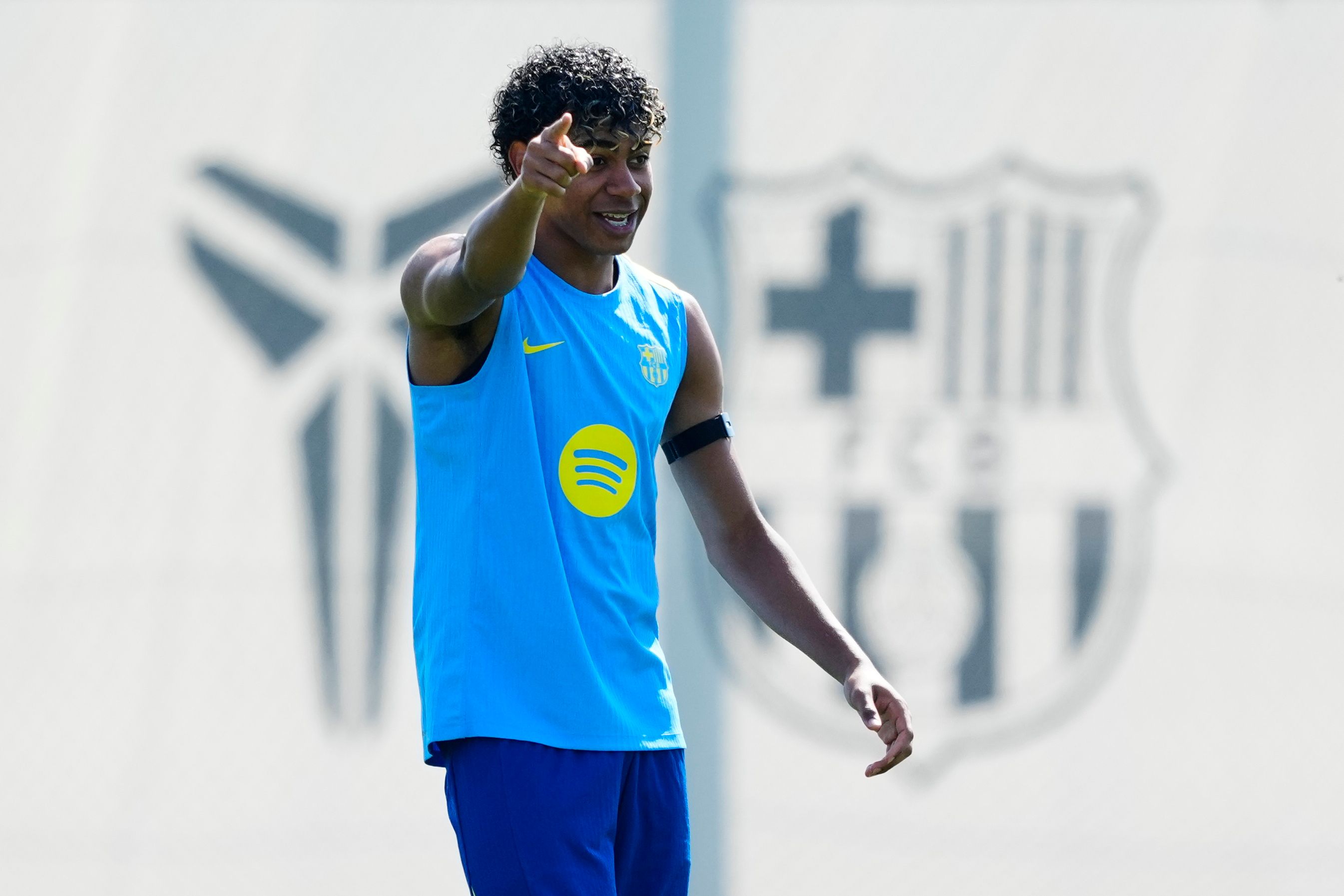
Spain, under Luis de la Fuente, have built their campaign around control, pressure and defensive discipline. Their 4-3-3 shape relies on Rodri’s authority at the base of midfield, structured possession, aggressive pressing and wide players such as Lamine Yamal stretching opponents.
The numbers support their dominance. Spain have averaged 598 accurate passes per match, second only to Argentina’s 629.
Even more impressive is their defensive record. Spain have not conceded a goal at the tournament, keeping five straight clean sheets. That solidity has allowed them to push high up the pitch and impose territorial control without appearing overly vulnerable.
Belgium, coached by Rudi Garcia, offer a different challenge. The Red Devils have been more flexible in shape, alternating between a 4-2-3-1 and a 3-4-2-1 depending on the opponent and match situation. Their main threat lies in vertical transitions, with Leandro Trossard and Charles De Ketelaere capable of exploiting spaces quickly when possession turns over.
Belgium’s attacking numbers are also among the strongest in the tournament. Their expected goals tally of 10.5 is bettered only by Brazil and France, while they have averaged six accurate crosses per match, behind only Canada and Uruguay. That crossing threat could test Spain in ways they have not often been tested in this campaign.
For Spain, Mikel Oyarzabal has emerged as an important attacking figure. He was not widely viewed as one of La Roja’s main danger men before the tournament, but four goals and one assist in five appearances have made him one of their most effective players. His movement, finishing and ability to link attacks will be central to Spain’s hopes of breaking down Belgium.
Belgium’s key figure could be De Ketelaere. While Romelu Lukaku remains the country’s all-time top scorer, De Ketelaere has kept him on the bench through his form and all-round contribution. His two goals against the United States in the round of 16 showed both composure and timing, and he will again be expected to lead Belgium’s attacking press and counter-attacks.
The big question is whether Spain can pin Belgium back long enough to control the rhythm, or whether Belgium can find space behind Spain’s high defensive line.
If Spain break Belgium’s structure, they are likely to dominate possession and territory. If Belgium survive those spells and transition cleanly, they have enough quality to punish La Roja.
Follow our social media pages for breaking news updates, in-depth stories and videos.
news@nairobilens.ke