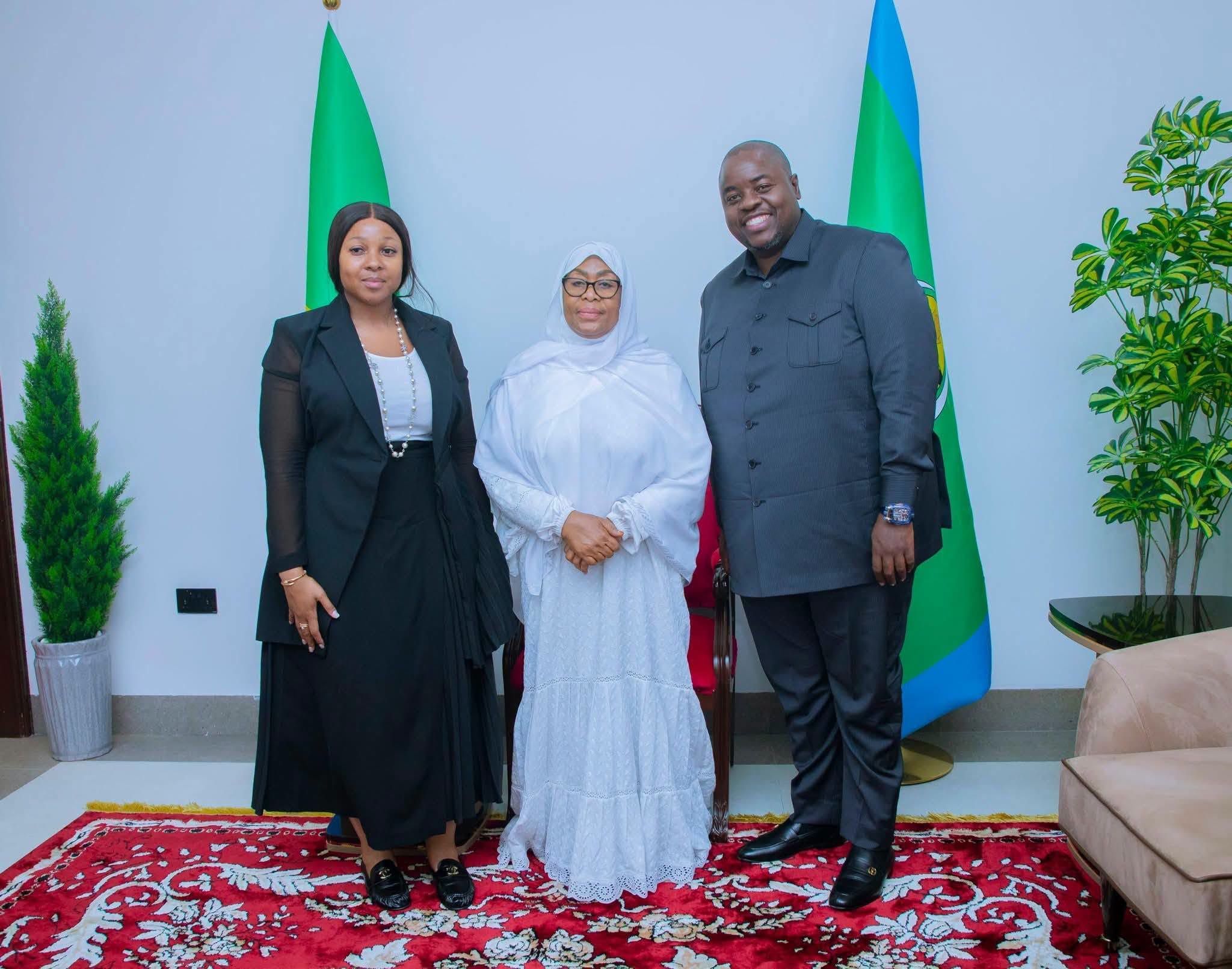
Few African businessmen displayed their wealth and access to political power as publicly as Zimbabwean tycoon Wicknell Chivayo.
Known widely as “Sir Wicknell”, Chivayo built a larger-than-life image around luxury cars, multimillion-dollar business deals, extravagant gifts and an extraordinary ability to move comfortably in the company of some of Africa’s most powerful political leaders.
His death at the age of 43 in a helicopter crash in Zimbabwe on September 30, 2026, brought renewed attention to a man who had spent years dividing public opinion across the continent. Zimbabwean President Emmerson Mnangagwa confirmed his death on Thursday, October 1.
His admirers saw Chivayo as a successful businessman and generous philanthropist who freely shared his wealth.
His critics saw the uneasy intersection of money, government contracts and political access — a businessman whose proximity to power repeatedly raised questions about how fortunes are built in Africa.
That tension followed him throughout his public life.
Chivayo was the founder and face of Intratrek Zimbabwe, an engineering and infrastructure company whose dealings included major energy projects. One of the best-known was the 100-megawatt Gwanda Solar Project, a deal that became embroiled in years of contractual disputes, litigation and allegations of fraud.
Chivayo and his company faced criminal proceedings arising from the project but were ultimately acquitted after the case stalled in court.
But business alone did not explain Chivayo’s continental profile.
What set him apart was access.
In Zimbabwe, he was an outspoken supporter and close associate of Mnangagwa and the ruling ZANU-PF establishment. Beyond Harare, photographs and videos documented encounters with leaders including Kenya’s President William Ruto and Tanzania’s President Samia Suluhu Hassan. He was also publicly associated with other senior African leaders and political figures.
His relationship with Ruto became particularly visible in Kenya.
Chivayo posted photographs from meetings with the Kenyan President, including a January 2025 visit to State House, Nairobi, which he described as a courtesy call where renewable energy was discussed.
He returned to State House in April 2025, when he was photographed with Ruto and Samia, and subsequently documented meetings with Ruto at Sagana State Lodge and Wajir State Lodge.
In August 2026, his access again became a talking point after footage circulated showing Ruto driving Chivayo and his wife following the traditional engagement ceremony of the President’s daughter, Charlene Ruto, in Kilgoris.
Such appearances fascinated Kenyans but also triggered questions about the businessman’s role and interests in the country.
Earlier in 2026, Chivayo was linked in media reports to the proposed expansion of Jomo Kenyatta International Airport. Kenyan authorities denied that a company associated with him had been awarded or participated in the tender.
Chivayo’s wealth was just as conspicuous as his connections.
His social media accounts resembled a running catalogue of luxury vehicles, expensive watches, private aviation and lavish holidays.
Yet it was his habit of giving away cars and huge amounts of cash that turned him into an online phenomenon.
Musicians, religious leaders, journalists, football personalities, political figures and ordinary Zimbabweans were among the recipients.
In one widely reported case, musician Jah Prayzah received a Range Rover and US$150,000 in cash. Chivayo also funded football teams, churches and humanitarian causes, with some reports estimating that hundreds of vehicles were given away between 2023 and 2026.
That generosity produced two sharply different interpretations.
Supporters saw a wealthy African businessman using his fortune to reward talent, support communities and celebrate people whose work he admired.
Critics questioned the source of that wealth and whether some gifts — particularly those involving political figures and institutions — blurred the line between philanthropy and influence.
That same divide was evident online following his death.
Some users remembered a generous businessman who gave freely and cultivated relationships that few private citizens could match. Others described him as emblematic of “tenderpreneurship” — wealth built around state procurement and proximity to political elites — and questioned how he accumulated and spent such enormous sums.
The reaction was at times harsh, reflecting longstanding resentment over inequality and perceptions of corruption in Zimbabwe. Others criticised the celebratory tone of some posts and argued that political disagreements should not erase the human tragedy of his death.
What is beyond dispute is that Chivayo understood visibility.
He did not merely know powerful people; he ensured the public knew that he knew them.
Presidential meetings, business successes, new cars and multimillion-dollar gifts were photographed, filmed and posted online, creating a personal brand in which wealth and access became almost inseparable.
Chivayo leaves behind a complicated legacy: entrepreneur, philanthropist, political insider and lightning rod for broader debates about wealth, patronage and power in Africa.
Even in death, “Sir Wicknell” remains what he was in life — a figure difficult to ignore and even harder to agree on.
Follow our social media pages for breaking news updates, in-depth stories and videos.
news@nairobilens.ke