
President William Ruto has received a landmark report proposing a compensation framework for Kenyans who suffered human rights violations during violent protests between 2017 and 2025, setting the stage for what could become one of the most consequential state-led reparation processes in recent years.
The report, prepared by the Kenya National Commission on Human Rights, KNCHR, recommends compensation for victims of violations including extra-judicial killings, torture, abductions, enforced disappearances, illegal evictions, sexual and gender-based violence, loss of property and destruction of livelihoods.
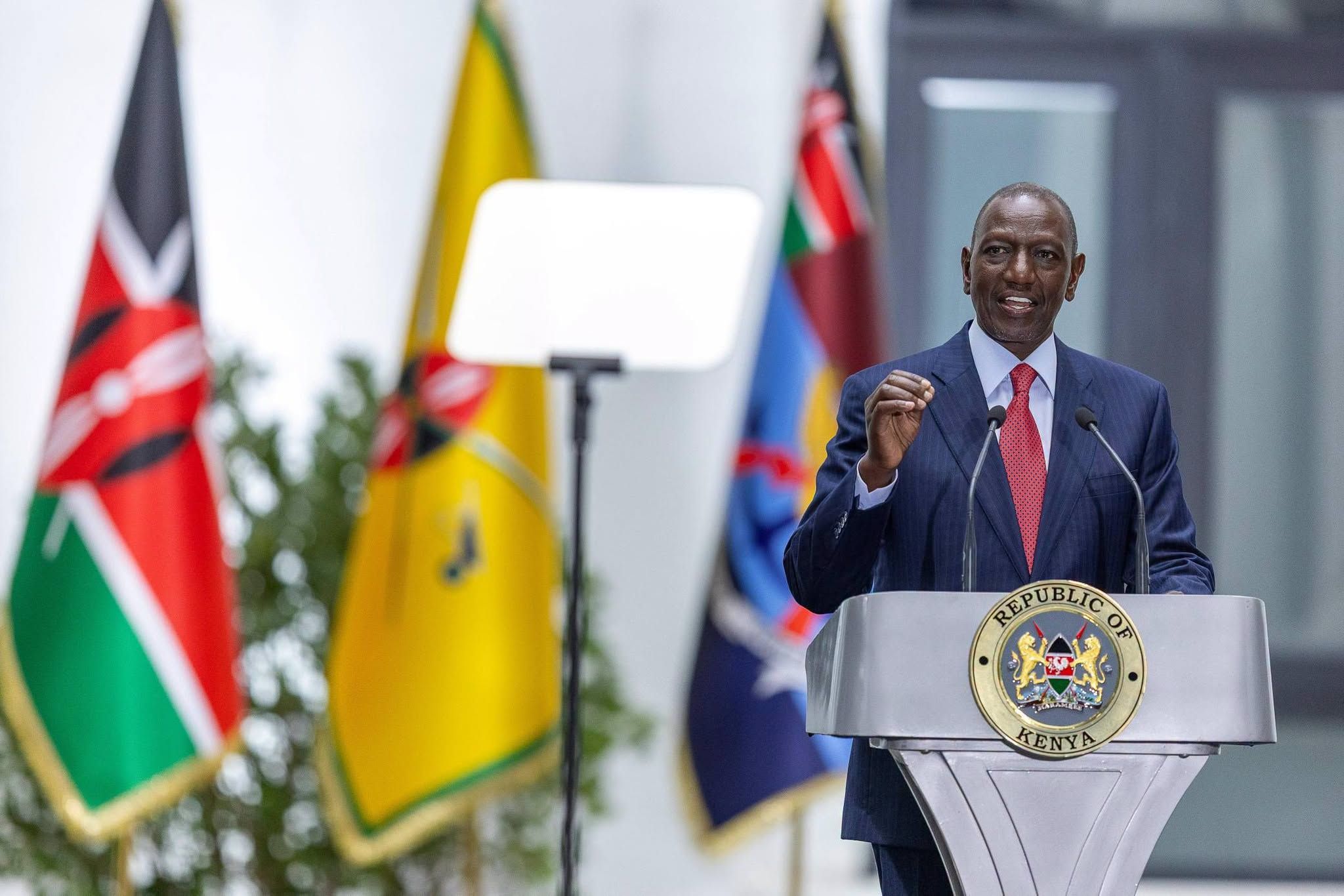
Speaking at State House, Nairobi, on Monday, president Ruto said the report marked the beginning of a national journey towards acknowledging injustice and responding to the pain endured by victims and their families.
“A nation does not heal by choosing whose pain matters,” the president said. “It heals by acknowledging all suffering, pursuing justice for all and committing itself to doing better.”
According to KNCHR Chairperson Claris Ogangah, the commission received 1,937 claims from members of the public and independent organizations. Out of these, 1,101 cases were verified.
“The commission acknowledged that not all cases submitted to us qualify as gross human rights violations for reparations, as some were isolated criminal acts, including those committed by individual police officers and other citizens that should go through the criminal justice processes,” the KNCHR chairperson said.
The figures point to the scale of human suffering that has accompanied Kenya’s cycle of political unrest, particularly during demonstrations where citizens exercising their constitutional right to assemble, picket and petition have often been met with force, chaos and tragedy.
“For far too long, whenever Kenyans have exercised their democratic rights to assemble, picket, demonstrate and petition, too often the outcome has been violence, injury and loss of life, destruction of property, bitterness and division,” president Ruto said.
The government has set aside Sh2 billion for compensation. However, the president was careful to admit that no amount of money can fully repair the damage suffered by families who lost loved ones, victims who endured trauma, or traders whose livelihoods were destroyed.
“The Sh2 billion we have committed cannot replace a son or a daughter. It cannot restore years lost to trauma. It cannot fully compensate a family, a trader, or a community for all that has been taken from them,” he said.
That admission is important. Compensation may offer recognition, but it cannot be mistaken for closure. For families who buried their children, spouses or parents after protests turned violent, the question will go beyond payment. They will want accountability, truth and assurance that no other Kenyan will suffer the same fate for exercising a constitutional right.
President Ruto also moved to draw a line between reparations and impunity, saying the allocation should not be seen as a reward for violence, looting, criminality or unlawful conduct witnessed during some public protests.
The report was prepared with the advisory support of an 18-member Panel of Experts appointed by the president and led by Prof Makau Mutua. It is a product of the National Dialogue Committee, the bipartisan process formed in 2023 by president Ruto and former Prime Minister Raila Odinga to address the political unrest witnessed at the time.
“The panel is now subjecting these names to verification. And we’ll begin making compensation in a week’s time,” said Prof Mutua.
The compensation framework is also part of the 10-point agenda underpinning the working agreement between the ruling United Democratic Alliance and the Orange Democratic Movement.
President Ruto said the country must confront a long-standing culture of violence and state silence, where victims of public disorder and security operations have often been left without acknowledgement, justice or remedy.
“If you act, you are criticized. If you do not act, you are criticized. But there comes a time when the nation must choose action over hesitation,” he said.
Beyond compensation, the president called for a comprehensive legal framework to fully operationalize and protect Article 37 of the constitution, which guarantees every Kenyan the right to assemble, demonstrate, picket and petition peacefully.
He also called for reforms in the National Police Service, including the development of a training manual to guide how officers manage public demonstrations. He said the reforms must promote professionalism, restraint, accountability and respect for constitutional rights.
“Together, these reforms will strengthen the health of our democracy,” he said.
The proposed reforms come at a time when the police remain under scrutiny over their handling of demonstrations, particularly where protests have ended in deaths, injuries, arrests and allegations of excessive force.
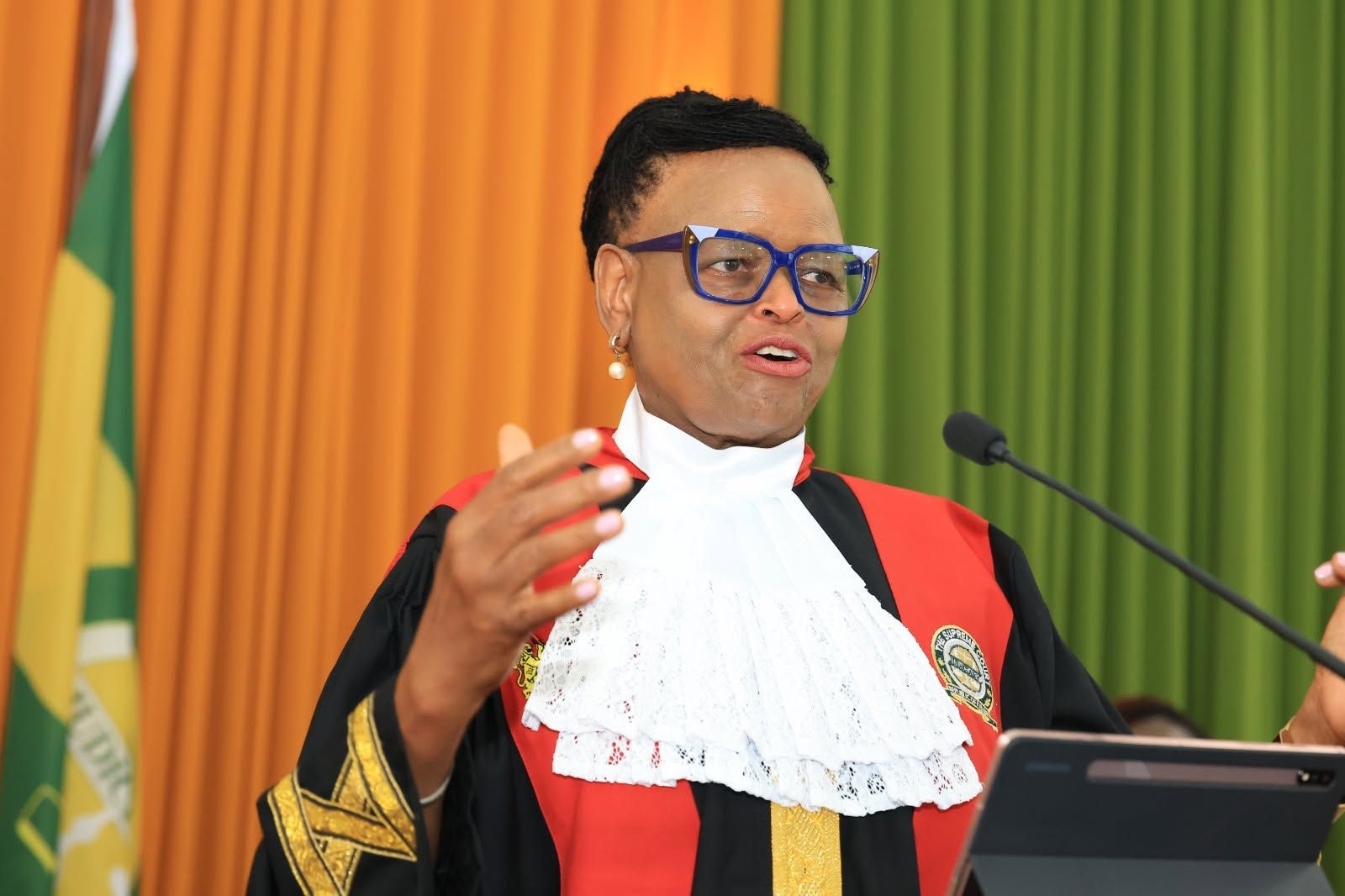
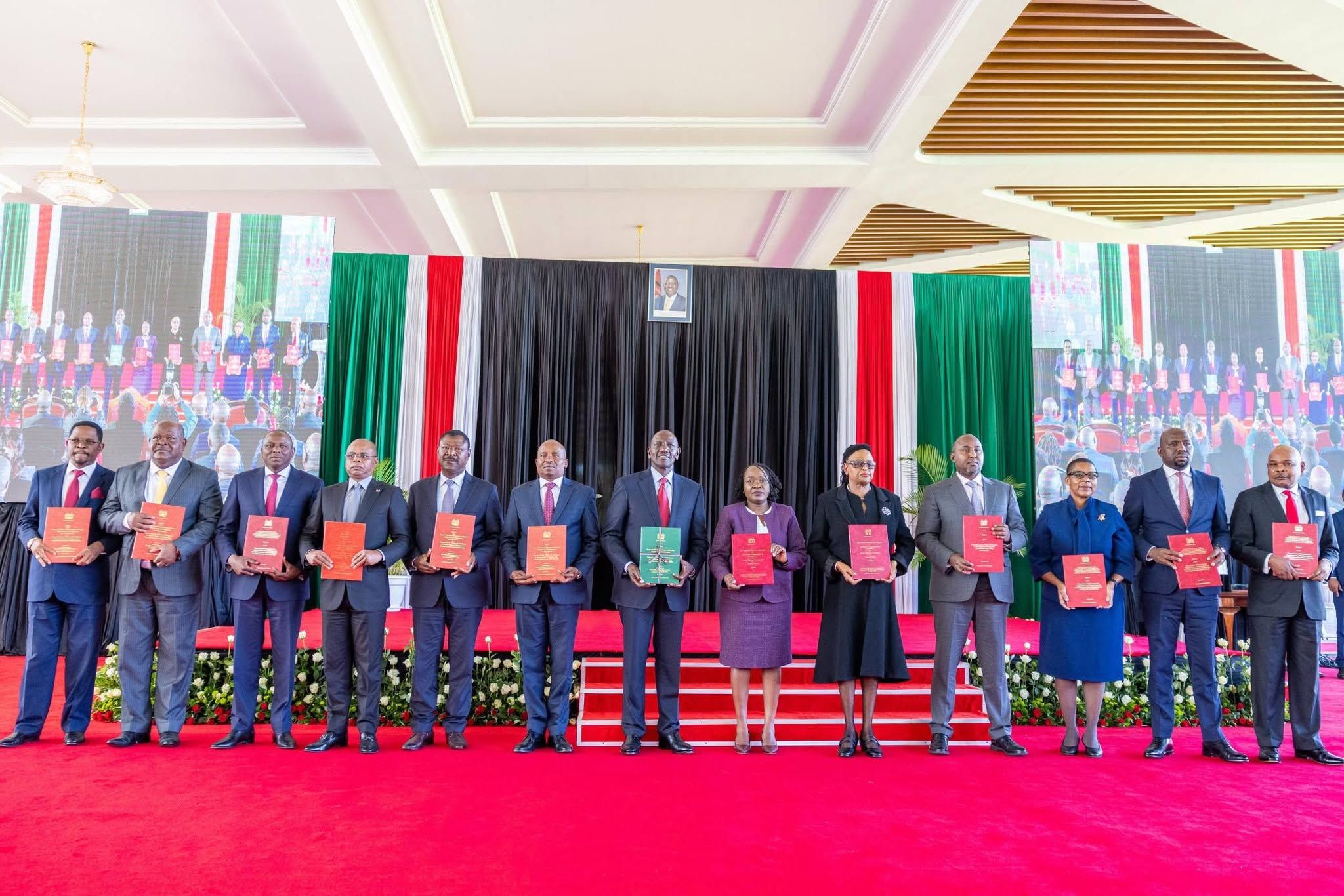
The event was attended by Deputy President Kithure Kindiki, Chief Justice Martha Koome, National Assembly Speaker Moses Wetang’ula, senate Speaker Amason Kingi and ODM Party Leader Oburu Oginga.
Also present were Interior Cabinet Secretary Kipchumba Murkomen, Attorney-General Dorcas Oduor, Inspector-General of Police Douglas Kanja, Council of Governors Chair Ahmed Abdullahi, Majority Leader Kimani Ichung’wah and Minority Leader Junet Mohamed.
Others included Deputy Inspectors-General of Police Eliud Lagat and Gilbert Masengeli, DCI Director-General Mohammed Amin, Principal Secretaries and Members of Parliament.
President Ruto framed the reparations process as part of a broader effort to correct historical injustices, including long-standing grievances such as discrimination in the issuance of national identity cards to citizens in Northern Kenya.
The real test, however, will not be in the receipt of the report or the announcement of funds. It will be in how transparently the verified victims are compensated, how swiftly reforms are implemented, and whether the State can finally break the pattern where public protest too easily turns into mourning.
For victims and their families, this report is not merely another government document. It is a demand for recognition, accountability and dignity after years of pain.
Follow our social media pages for breaking news updates, in-depth stories and videos.
news@nairobilens.ke