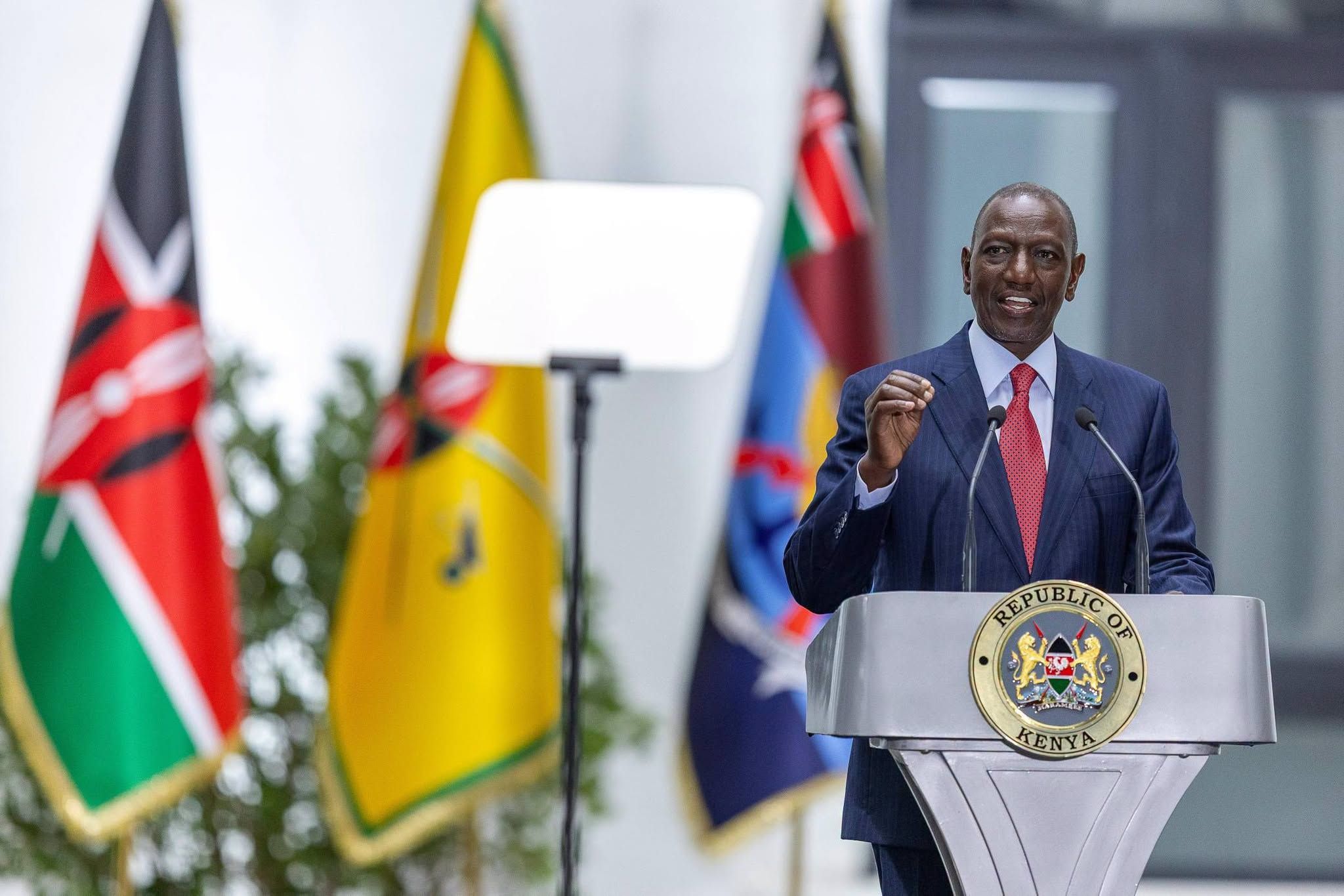

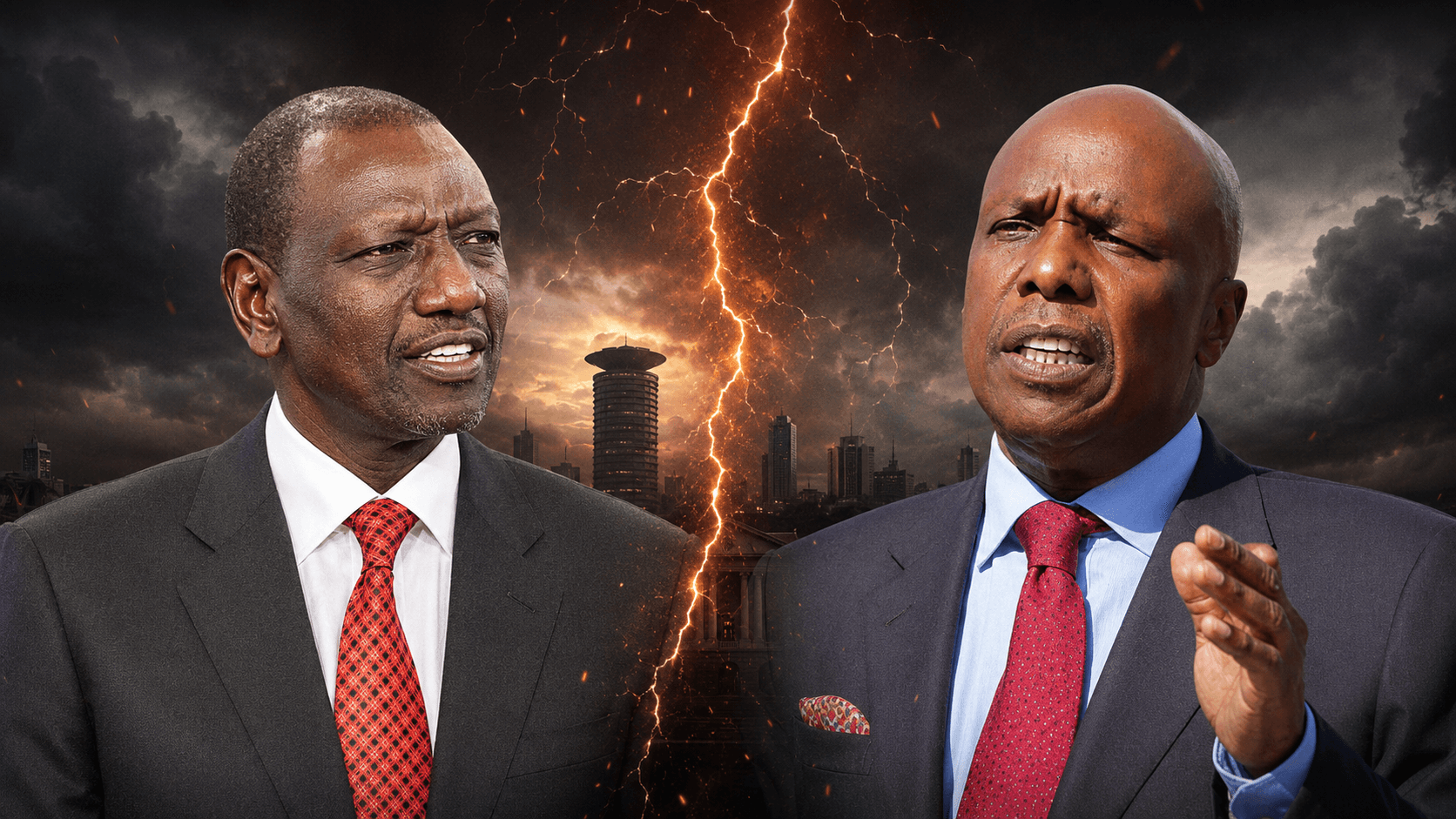
President William Ruto has escalated his public confrontation with Standard Media Group and KANU chairman Gideon Moi, accusing the media house’s ownership of failing employees while using critical headlines to pressure his administration.
In a strongly worded post shared on his social media platforms, Ruto directly addressed Moi and accused the ownership of the media house of hiding behind financial difficulties while workers allegedly go for months without pay.
The president claimed the situation amounted to exploitation of loyal employees and described it as a betrayal of journalism and media freedom.
“It is heartless to loyal workers,” Ruto said in the post, adding that unpaid labor by media employees was an “insult to journalism” and a betrayal of the free media the Standard once represented.
Ruto’s latest remarks come amid a growing public row between the presidency and the Mombasa Road-based media house, which has in recent weeks published critical headlines and reports on the Kenya Kwanza administration.
The president accused the media house of running what he called an “extortionist” agenda through negative coverage of his government.
He alleged that the headlines were intended to blackmail his administration and force concessions.
Ruto also appeared to link the coverage to Gideon Moi, whose family is associated with Standard Group’s ownership. Moi, a former Baringo senator and current KANU national chairperson, has previously been a political rival of Ruto, although the two leaders have had moments of political engagement in recent months.
The exchange has now opened a wider debate on the relationship between political power, media ownership, press freedom and the welfare of journalists in financially struggling media houses.
Standard Group has, however, defended its editorial independence and rejected claims that its coverage is driven by political blackmail.
The company has maintained that its journalism is guided by public interest, professional ethics and the media’s constitutional role of holding those in power to account.
The media house has also insisted that it does not take instructions from any individual or office and will continue reporting on governance, leadership and issues affecting the public.
In its response, Standard Group also raised the issue of unpaid government obligations, claiming the State owes it Sh1.2 billion in pending payments for advertising and media services. The company said the debt has affected its operations and the livelihoods of its employees.
The media house further argued that if the government is concerned about the welfare of its workers, it should settle the outstanding payments.
The dispute comes at a difficult time for Kenya’s media industry, which has been hit by declining advertising revenue, digital disruption, restructuring and delayed salary payments across several outlets.
Media freedom advocates have previously warned that financial pressure on newsrooms can weaken independent journalism and expose media houses to political and commercial influence.
At the same time, concerns about unpaid salaries and delayed dues have raised questions about accountability within media ownership and management.
Neither side appears ready to retreat, setting the stage for a sharper confrontation between the presidency and the Standard Group over press freedom, political coverage and the treatment of journalists.
Follow our social media pages for breaking news updates, in-depth stories and videos.
news@nairobilens.ke