
President William Ruto has announced a proposal to fully fund all students who qualify for university education, signalling a major shift from the controversial higher education financing model introduced by his administration in 2022.
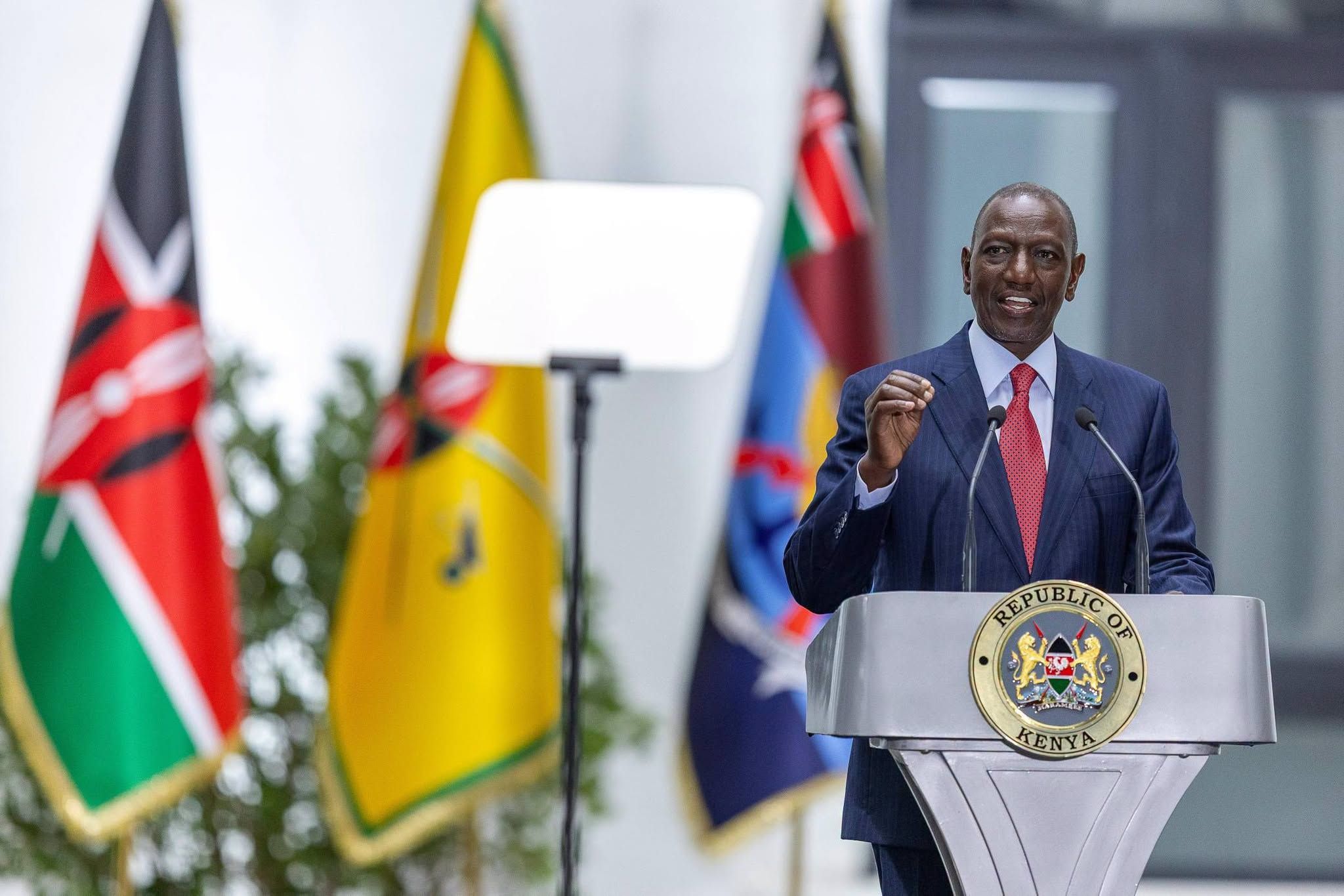
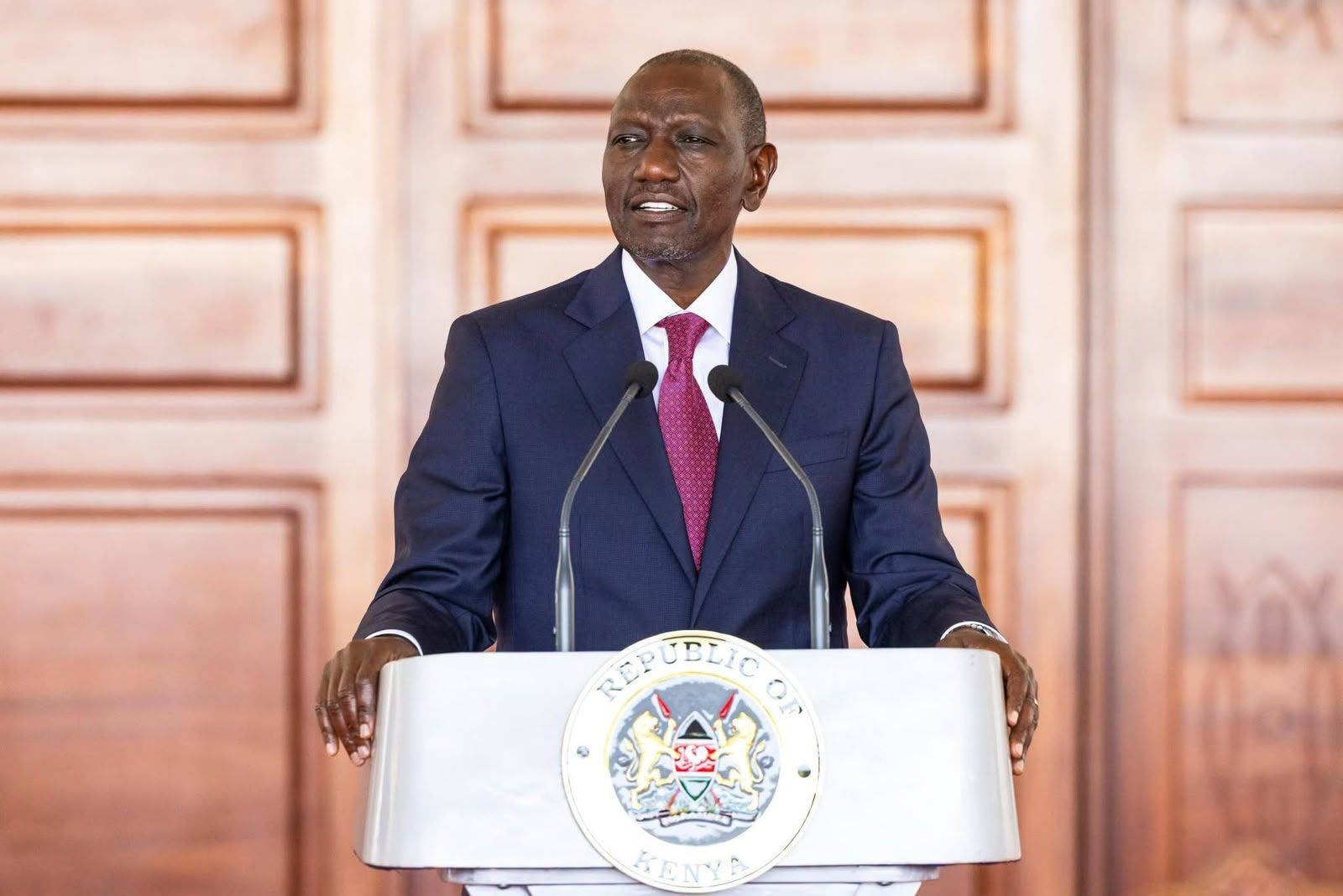
Speaking at State House, Nairobi, on Tuesday, Ruto said the new proposal would ensure that every student who secures admission to university receives full government funding, subject to approval by Parliament.
The President urged the National Assembly to fast-track consideration of the proposal to ensure students joining universities for the first time in September benefit from the revised financing arrangement.
“We want to make sure that every student who qualifies to go to university is fully funded,” Ruto said.
He made the announcement during the presentation of proposals by a team of experts working on a new development vision for Kenya.
“Now we have in Parliament the final version of how we’re going to make higher education universal. It will not matter the background of any child in Kenya, it will matter how good they are. Going into the future,” said Ruto.
The proposal could mark a significant departure from the current higher education funding framework, which categorizes students according to their assessed level of financial need and determines the proportion of scholarships, loans and household contributions they receive.
The model, introduced following Ruto’s election in 2022, has faced criticism from students, parents and education stakeholders over concerns about affordability, the criteria used to classify households and uncertainty over the amount families are required to contribute.
The funding system has also been subjected to legal challenges and sustained pressure for reforms, particularly over fears that students from financially vulnerable households could be locked out of higher education.
“We tried the Differentiated Unit Cost model and it didn’t work because it made most of our universities almost close down. While we promised 80 per cent funding, we went down to 40 per cent and most universities suffered. We’ve worked on what we thought was equity but it’s not good enough. Now we’re moving to universal under the amendments we’ve taken to Parliament,” the President said.
Ruto’s latest announcement suggests the government is considering a broader funding arrangement that would remove some of the financial burden placed directly on families.
However, details of the proposed framework, including how much it would cost the Exchequer, how funding would be distributed among universities and whether students would still receive part of the support as loans, have yet to be fully outlined.
The President said parliamentary approval would be critical in ensuring the new arrangement is implemented in time for the next university intake.
The government will also be under pressure to demonstrate how the proposal will be financed sustainably at a time when public universities continue to face funding constraints and the demand for higher education support remains high.
Higher education financing has remained one of the most contentious education policy issues under the Kenya Kwanza administration.
The current model was introduced as part of government efforts to address mounting debts in public universities and shift funding towards individual students based on their assessed financial circumstances.
Critics, however, have argued that the system is complicated and has created uncertainty for thousands of students and parents trying to determine how much they are expected to pay.
Should MPs approve the proposed model in time, students entering university in September could become the first group to benefit from the new funding framework, potentially setting the stage for another major overhaul of Kenya’s higher education financing system.
Follow our social media pages for breaking news updates, in-depth stories and videos.
news@nairobilens.ke