

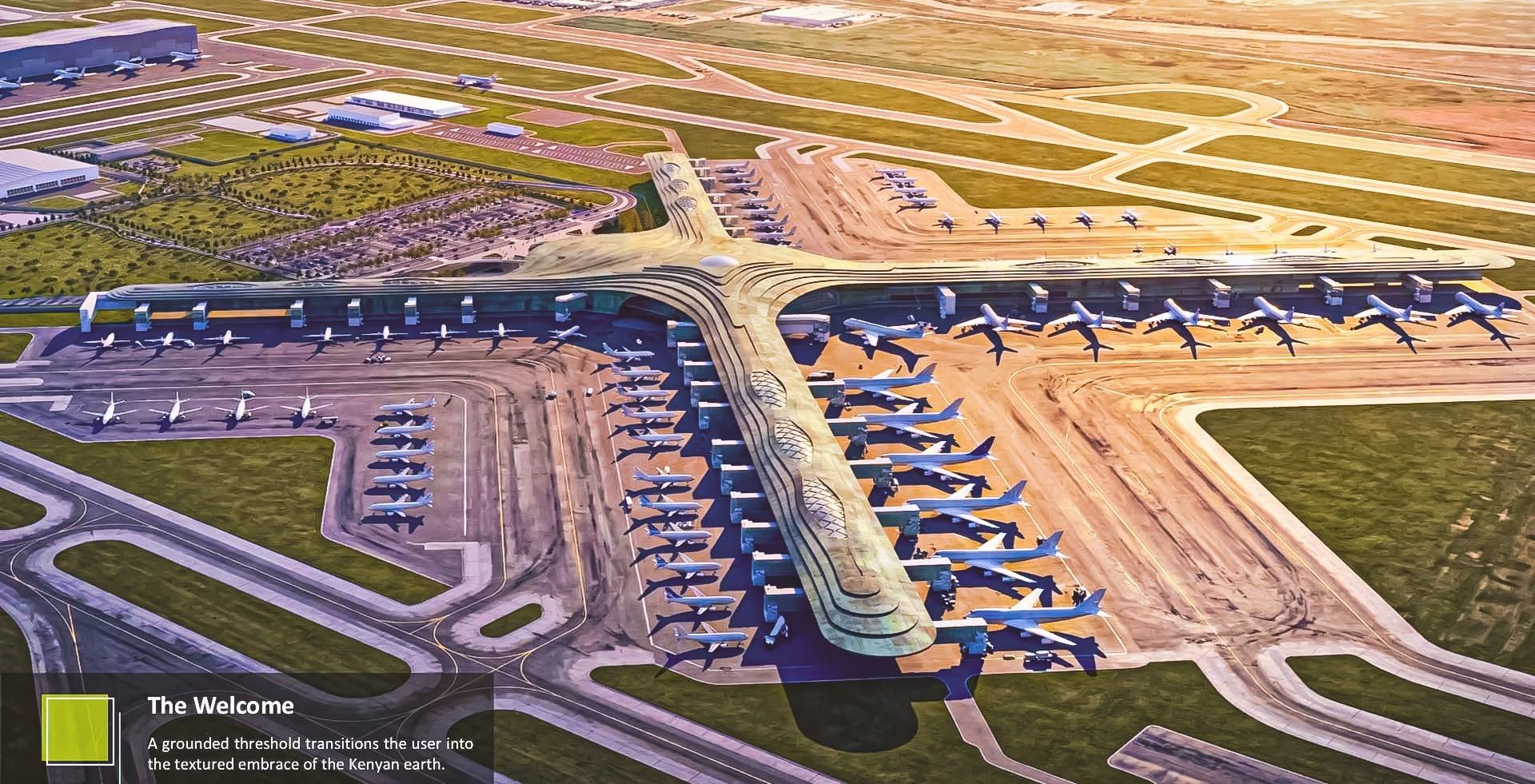
The Government has moved the proposed modernization of Jomo Kenyatta International Airport closer to implementation, saying the upgrade is critical to securing Kenya’s position as East Africa’s leading aviation hub.
In a status report on the proposed design, development and modernization of JKIA, the Government said the airport’s core infrastructure, much of which was developed decades ago, is increasingly under pressure from rising passenger numbers, aircraft movements and cargo volumes.
“The Government of Kenya remains firmly committed to transforming Jomo
Kenyatta International Airport into a world-class aviation hub that will support
our country's economic growth, tourism, trade and regional connectivity for
decades to come. JKIA has served the nation well for many years. However, much of its core
infrastructure was developed decades ago and has since undergone only
incremental improvements despite sustained growth in passenger numbers,” the report by Transport Cabinet Secretary Davis Chirchir said.
According to the report, forecasts show that significant expansion is now required to enable the airport to meet future demand while maintaining international standards in safety, operational efficiency and passenger service.
The Government said the project is not just an infrastructure upgrade, but a strategic national investment aimed at protecting Kenya’s competitiveness in aviation, trade and regional connectivity.
It noted that other countries in the region are investing heavily in modern airport infrastructure, making it necessary for Kenya to upgrade JKIA to retain its regional advantage.
The modernization is expected to improve operational efficiency, enhance passenger experience, strengthen safety and security, and support growth in cargo and commercial activities.
As part of the process, the Government commissioned the Jomo Kenyatta International Airport Master Plan and Feasibility Study. The study was undertaken by an internationally recognized engineering, planning and project management consultancy with experience in major airport developments.
The master plan was developed over one year through technical planning and consultations with stakeholders. It set out the long-term vision for JKIA and identified a phased development strategy to meet Kenya’s aviation needs in the coming decades.
Following completion of the master plan and feasibility study, the Government developed a concept design for the proposed airport expansion and prepared tender documents for the procurement of a design-and-build contractor.
The Government said these steps have moved the project from a long-term vision to an implementable program, giving the State a technical basis to proceed with procurement.
The report also emphasized that the planning and procurement process has included public engagement and stakeholder consultations.
Among the engagements listed were a session with Kenya Airports Authority staff on November 25, 2025, a master plan presentation to the Kenya Aviation Workers Union on February 23, 2026, and a stakeholders’ presentation held on February 26, 2026, at Radisson Blu.
The Government also held a disability inclusion engagement with the Departmental Committee on Social Protection and the Kenya Disability Parliamentary Association on March 18, 2026, at Crowne Plaza JKIA.
Other forums included a media briefing at Fairview Hotel on March 10, 2026, an engagement with the National Assembly Committee on Transport and Infrastructure in Mombasa between March 26 and 28, 2026, and a site visit for prospective bidders on April 8 and 9, 2026.
The Government said the engagements were part of efforts to keep stakeholders informed and ensure that the modernization process remains transparent.
Once implemented, the project is expected to expand JKIA’s capacity, improve service delivery and position Nairobi as a stronger aviation gateway for Africa and international markets.
Follow our social media pages for breaking news updates, in-depth stories and videos.
news@nairobilens.ke