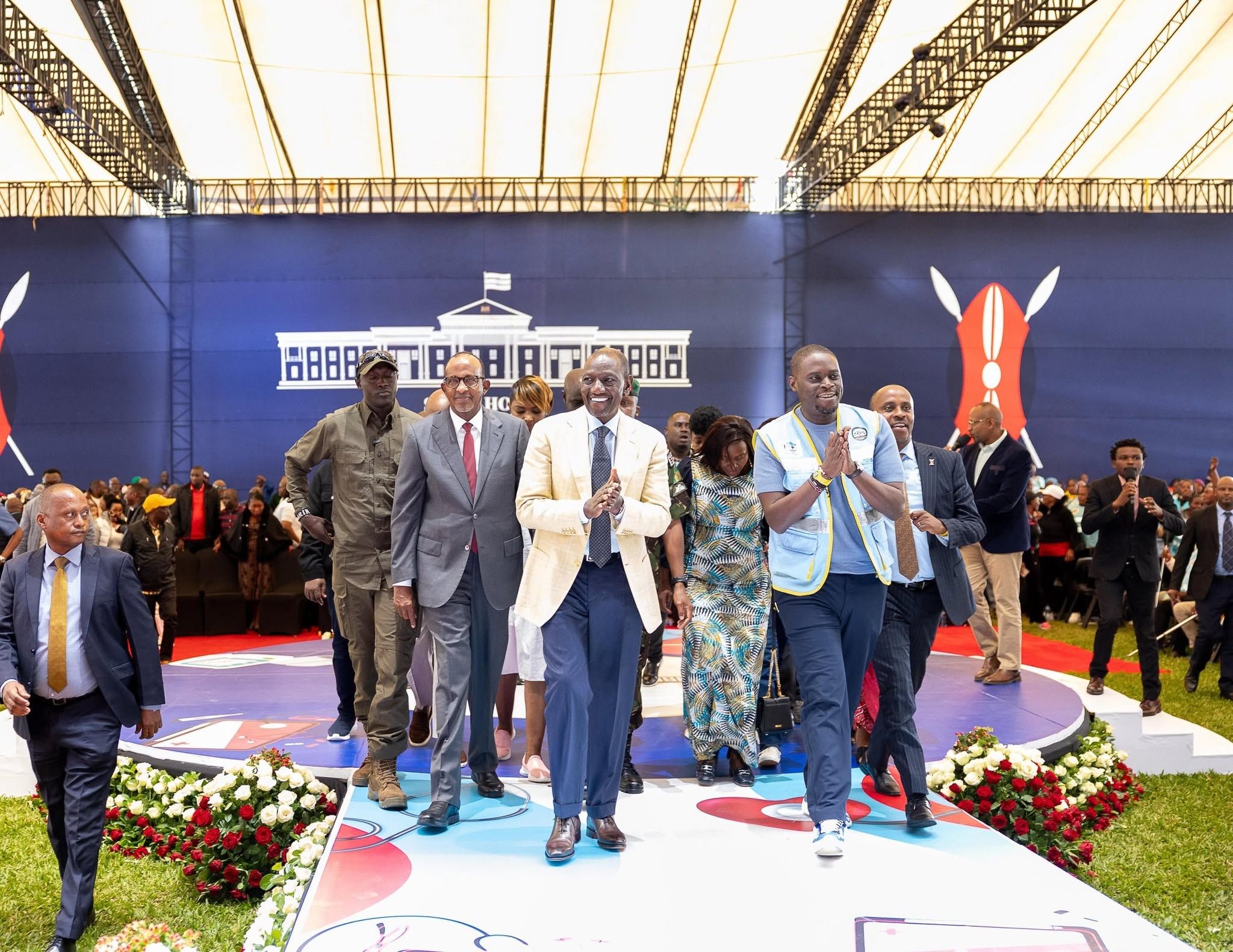
President William Ruto has announced that the government will begin paying medical insurance for all 107,000 Community Health Promoters (CHPs) under the Social Health Authority (SHA) this month, in a new welfare package aimed at strengthening Kenya’s primary healthcare system.
Under the arrangement, the national government will provide Sh390 million, with county governments expected to contribute a similar amount, bringing the total allocation to Sh780 million.
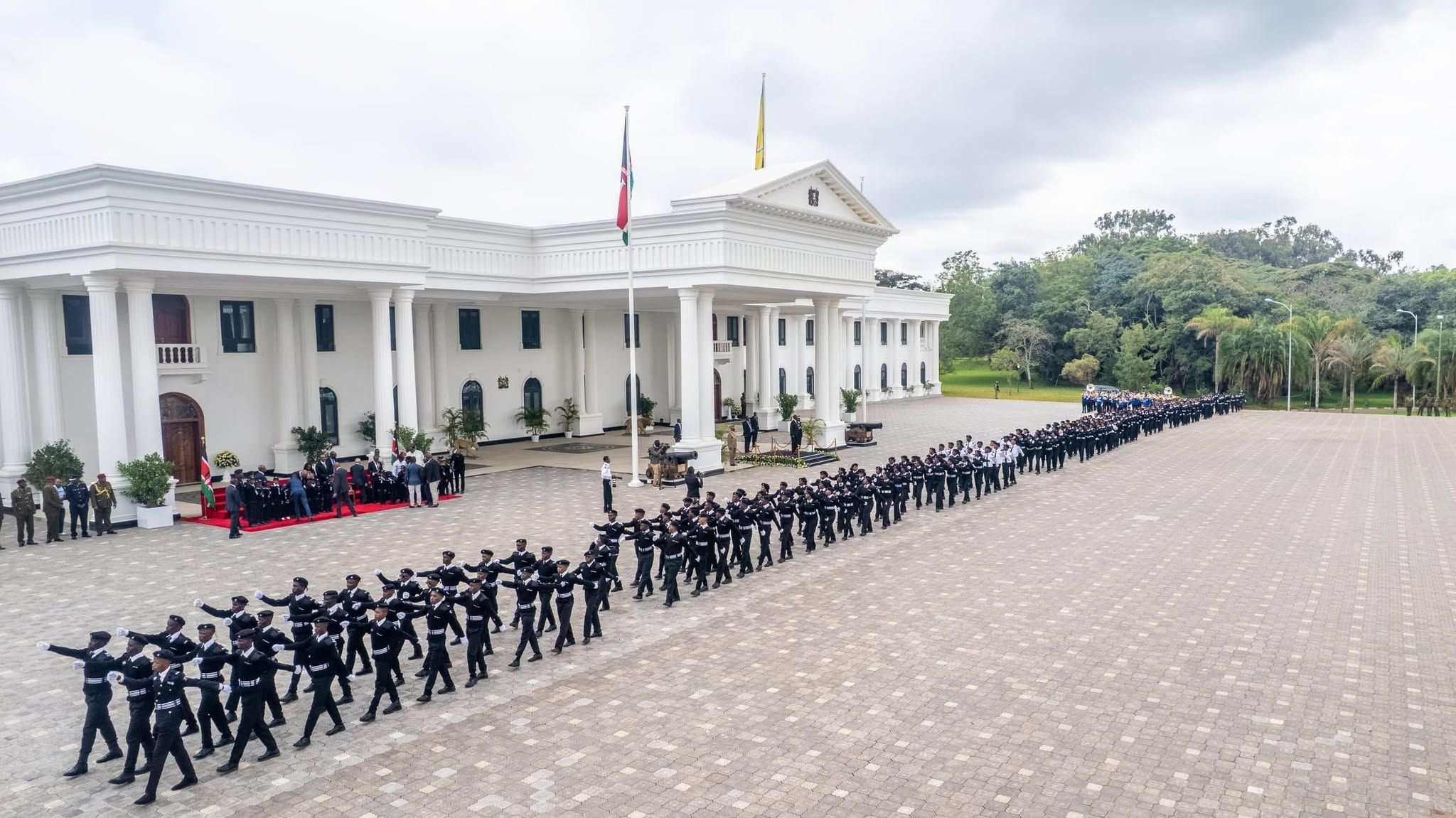
Speaking at State House, Nairobi, on Saturday during a meeting with about 8,000 CHPs from Nairobi County, Ruto said the cover recognises the frontline workers’ growing role in the country’s push towards Universal Health Coverage (UHC).
“Those who dedicate themselves to the health of the nation must also enjoy the dignity of health cover for themselves and their families,” Ruto said.
Nairobi Governor Johnson Sakaja announced the release of more than Sh30 million as the county’s contribution towards the initiative.
The President described CHPs as the backbone of the country’s preventive healthcare strategy, saying the government would continue investing in their remuneration, training, digital support and medical equipment.
“Community Health Promoters are the first point of contact between Kenyans and their health system. Before patients reach a dispensary, health centre or hospital, they first meet you in their homes,” he said.
Since the CHP programme was launched in October 2023, Ruto said about 9.4 million households, representing more than 30 million Kenyans, have been enrolled in the electronic Community Health Information System.
CHPs conduct household visits, provide health education, facilitate referrals and support early detection of illnesses. The government expects their role to expand as SHA enrolment increases.
“You are not simply supporting healthcare reform. You are leading it from the frontlines,” Ruto told the health workers.
The President also defended SHA against criticism, arguing that it has performed better than the defunct National Health Insurance Fund (NHIF).
He cited a health facility in Pangani whose monthly revenue, he said, had increased from about Sh100,000 under NHIF to Sh1.5 million under SHA, while daily patient numbers had risen from about 10 to 150.
Ruto also said Riruta Level 4 Hospital now generates more than Sh6 million monthly, compared with about Sh200,000 previously.
According to the President, SHA disburses an average of Sh12 billion to health facilities every month, compared with Sh5.6 billion paid out by NHIF over three months. He said hospitals were expected to have received another Sh12 billion for services rendered this month by next week.
“Those asking us to return to NHIF are threatening the health of our people. If they want to know whether SHA is working, they should ask the Community Health Promoters,” he said.
Ruto said 2.8 million Nairobi residents, representing about 65 per cent of the county’s population, have registered with SHA. He added that Sh170 billion has been disbursed to health facilities nationwide over the past one and a half years, with Nairobi facilities receiving Sh32 billion.
Health Cabinet Secretary Aden Duale said Kenya’s UHC programme and community health model had attracted international interest, adding that CHPs were helping detect conditions including hypertension, diabetes and obesity earlier through household screening.
Sakaja said strengthening primary healthcare could significantly reduce pressure on hospitals and lower overall treatment costs.
“For every $1 spent on primary healthcare, about $14 is saved in the overall health budget,” the governor said.
“For a long time, people used to go to hospitals. Today, Community Health Promoters are taking healthcare to the people.”
Follow our social media pages for breaking news updates, in-depth stories and videos.
news@nairobilens.ke