

Kenya has placed county governments on heightened alert following a confirmed outbreak of Ebola Virus Disease in eastern Democratic Republic of Congo and the confirmation of an imported case in neighbouring Uganda.
In an advisory to county governments, the Ministry of Health said no confirmed or suspected Ebola case had been detected in Kenya, but warned that the country remains exposed because of the movement of people and goods across East and Central Africa.
According to the Ministry, Africa CDC has reported 246 suspected Ebola cases and 65 deaths in Ituri Province, mainly in the Mongwalu and Rwampara health zones. Additional suspected cases have also been reported in Bunia Town and are awaiting confirmation.
"The Ministry of Health wishes to assure all Kenyans that, as of today, no confirmed or suspected case of Ebola Virus Disease has been detected within the Republic of Kenya," said Public Health Principal Secretary Mary Muthoni Muriuki.
Laboratory investigations by the Institut National de Recherche Biomédicale in Kinshasa confirmed Ebola infection in 13 out of 20 tested samples. At least four deaths were among laboratory-confirmed cases.
The Ministry also cited Uganda’s confirmation of an imported Ebola Bundibugyo case involving a 59-year-old Congolese national who travelled from DRC to Kampala for treatment.
The patient was admitted to Kibuli Muslim Hospital on May 11, 2026, and died on May 14 while receiving care.
"However, owing to the significant movement of persons and goods within the East and Central African region, all County Governments are hereby directed to immediately activate and enhance preparedness and response measures," The PS added.
The PS directed all county governments and county health departments to immediately activate and strengthen preparedness and response measures.
Counties have been instructed to intensify screening and surveillance at airports, airstrips, seaports, land border crossings and other transit points. They are also expected to strengthen community-based and event-based surveillance to support early detection and reporting of suspected cases.
The Ministry further directed counties to activate Rapid Response Teams, keep emergency operations centres on high alert, and ensure public and private health facilities strengthen infection prevention and control measures.
"The Ministry of Health continues to closely monitor the situation in collaboration with regional and international partners and will continue to provide timely updates as necessary," she said.
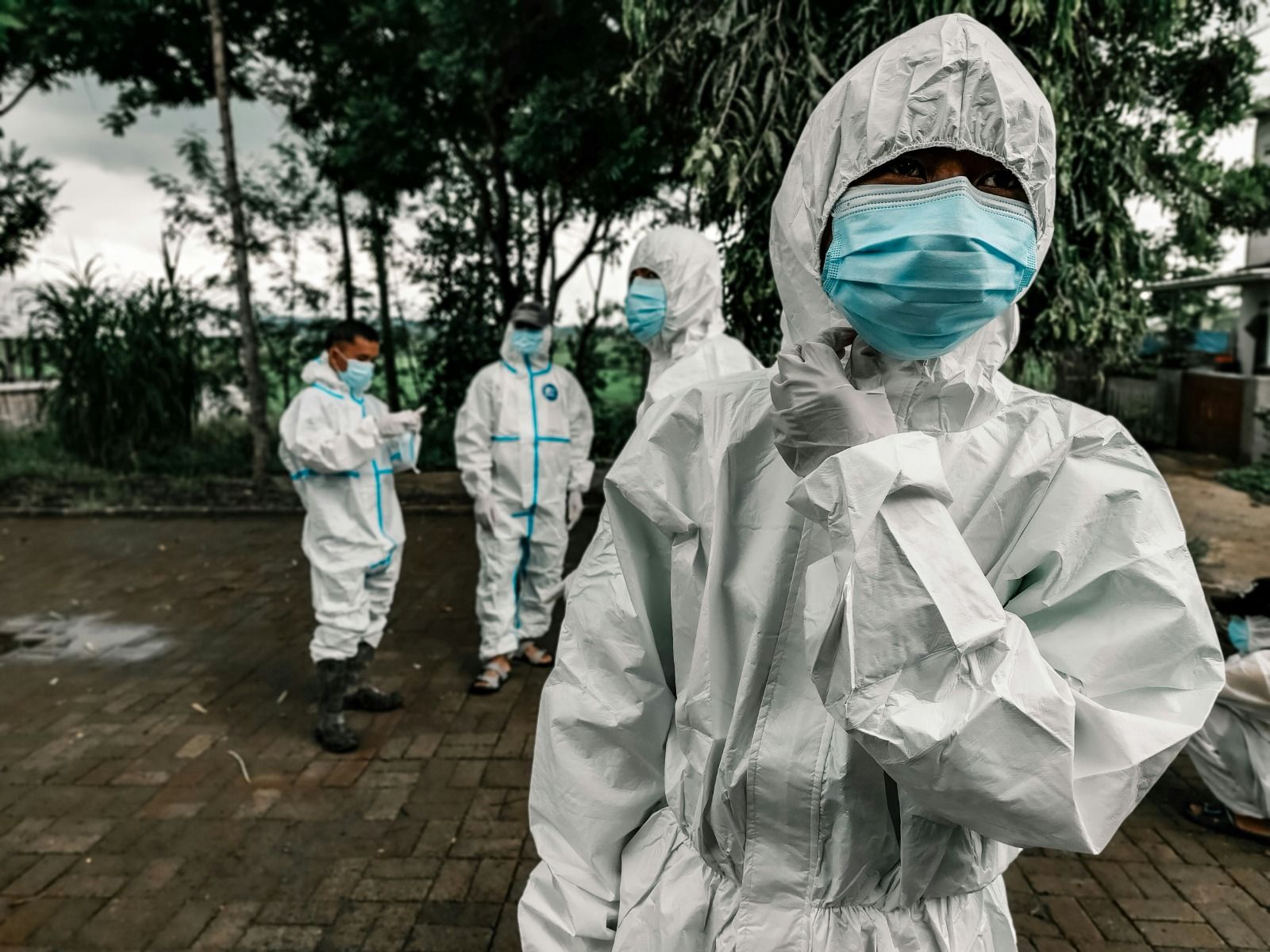
Health facilities have also been asked to ensure adequate availability and proper use of personal protective equipment, strengthen triage and isolation systems and prepare specimen referral systems for timely diagnosis.
The Ministry said counties should intensify public awareness on Ebola symptoms, prevention and reporting, while working with community leaders, religious leaders and local administrators to counter misinformation and panic.
Ebola is transmitted through direct contact with blood, body fluids, contaminated objects, or infected wild animals.
Common symptoms include high fever, severe weakness, headache, muscle and joint pain, sore throat, vomiting, diarrhoea, abdominal pain, and unexplained bleeding or bruising.
"The Government of Kenya remains fully committed to safeguarding the health and safety of all persons living in the country," said PS Muthoni.
Suspected cases can be reported through the Ministry of Health emergency hotlines: 719, 0729 47 14 14, and 0732 35 35 35.
Follow our social media pages for breaking news updates, in-depth stories and videos.
news@nairobilens.ke