
Foreign nationals conducting business in Kenya have been given 90 days to regularize their immigration, work permit and business documentation before strict enforcement of licensing requirements begins.
State House spokesperson Hussein Mohamed said the exercise will be coordinated by relevant government agencies in consultation with affected embassies.
“Over the next 90 days, the Government will conduct an orderly regularization exercise to facilitate compliance,” Mohamed said.
He said authorities will provide guidance during the period and enforce the requirements fairly and without discrimination. Once the window closes, immigration, work permit, registration and licensing rules will be enforced strictly in line with the law.
The move follows concerns raised by Kenyan traders over the growing participation of foreign nationals in small-scale businesses and informal trade.
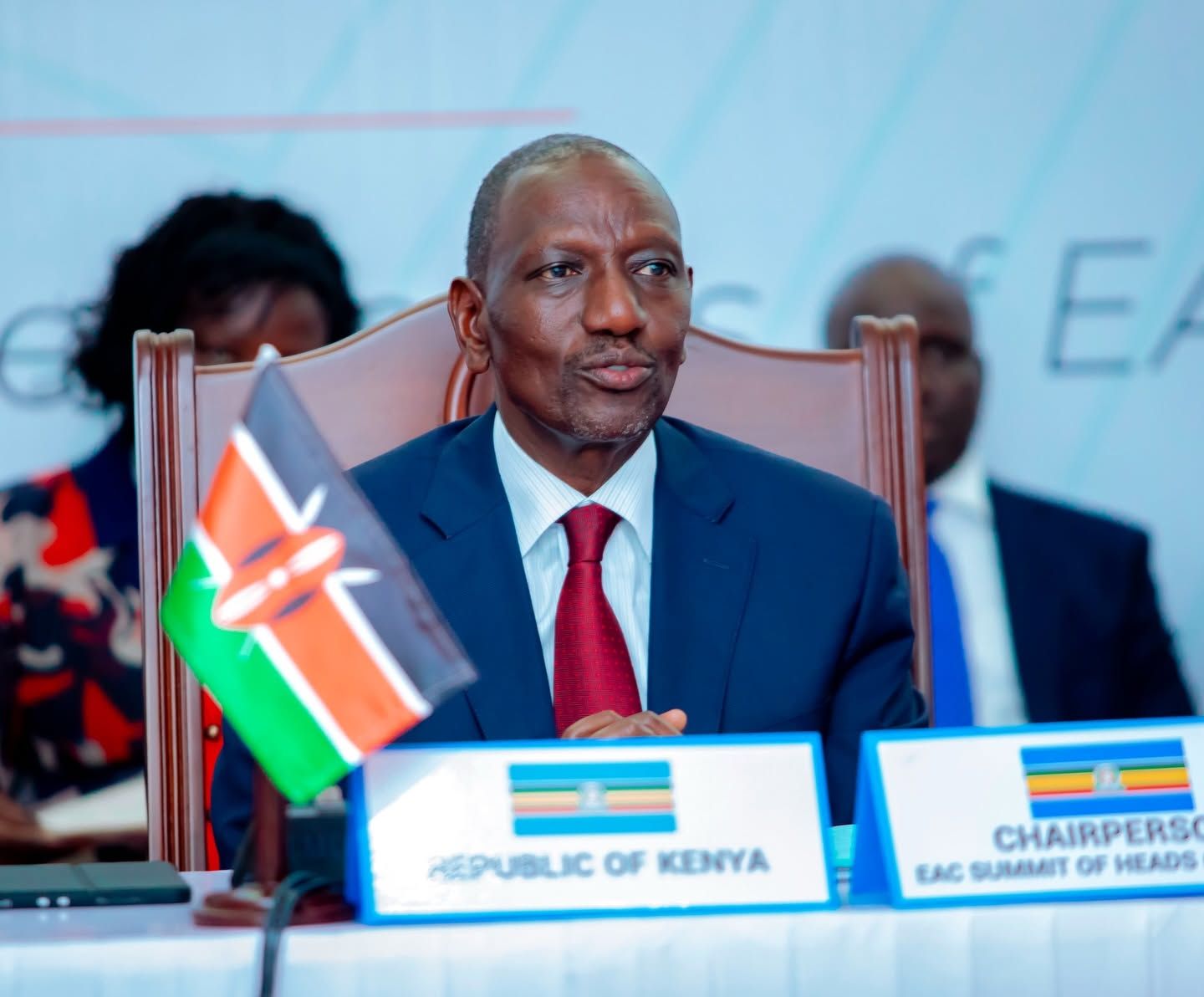
President William Ruto last week met traders who argued that foreign participation in some sectors was affecting livelihoods dependent on micro and small enterprises.
State House said Ruto reaffirmed the government’s responsibility to protect economic opportunities for Kenyans while also safeguarding the rights of foreigners who are lawfully living, working or investing in the country.
The President has also directed that the Local Content Bill, 2025, be expanded to create a clearer framework governing participation in small-scale trade.
The proposed framework could identify categories of business reserved for Kenyan citizens while protecting foreigners legally entitled to work, invest and operate businesses in the country.
“Kenya will protect economic opportunities for its citizens, especially within the micro and small-enterprise sector, while remaining open to lawful foreign investment, enterprise and employment,” Mohamed said.
The government also warned against harassment or intimidation of foreign nationals.
“No individual or group has the authority to harass, intimidate, threaten or interfere with foreign nationals or their businesses,” Mohamed said.
Meanwhile, the Kenya National Commission on Human Rights (KNCHR) has called for a rights-based approach to enforcement.
KNCHR said it had received complaints from refugee and migrant communities alleging threats, intimidation, discrimination and online attacks following recent government directives on foreign traders.
The commission acknowledged the government’s mandate to regulate immigration, employment, trade and investment, but said enforcement must comply with the Constitution and Kenya’s regional and international human rights obligations.
“All migration-related measures and enforcement interventions must be implemented lawfully, fairly, consistently and without discrimination on the basis of nationality,” KNCHR said.
It cautioned authorities against summary enforcement measures and blanket profiling, saying action should be based on individual violations and affected persons must be given due process.
KNCHR also urged the government to establish accessible mechanisms through which foreign nationals can verify their status and, where legally allowed, regularize their immigration and business documentation.
The commission warned against xenophobia, hate speech, profiling, extortion and vigilante action, saying it would continue monitoring the exercise and documenting alleged violations.
Follow our social media pages for breaking news updates, in-depth stories and videos.
news@nairobilens.ke