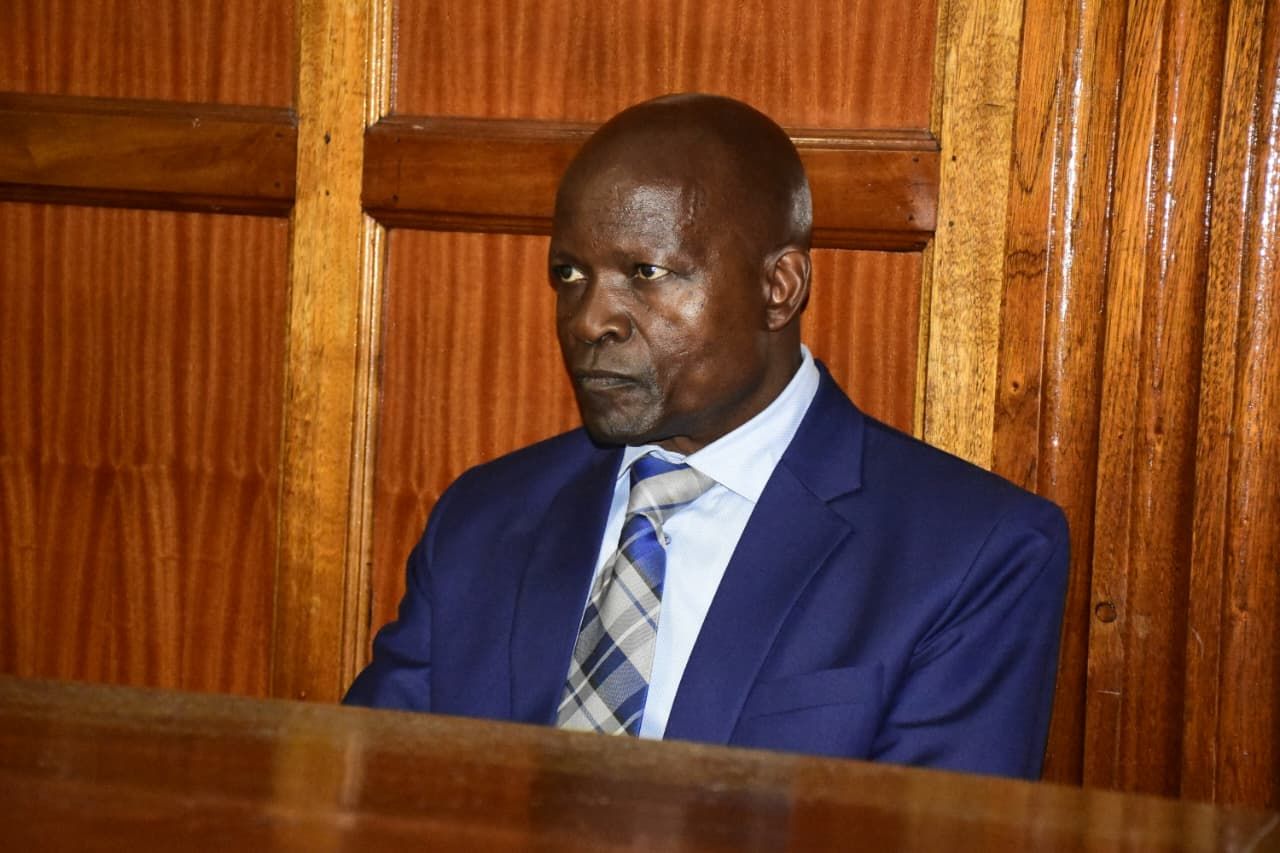

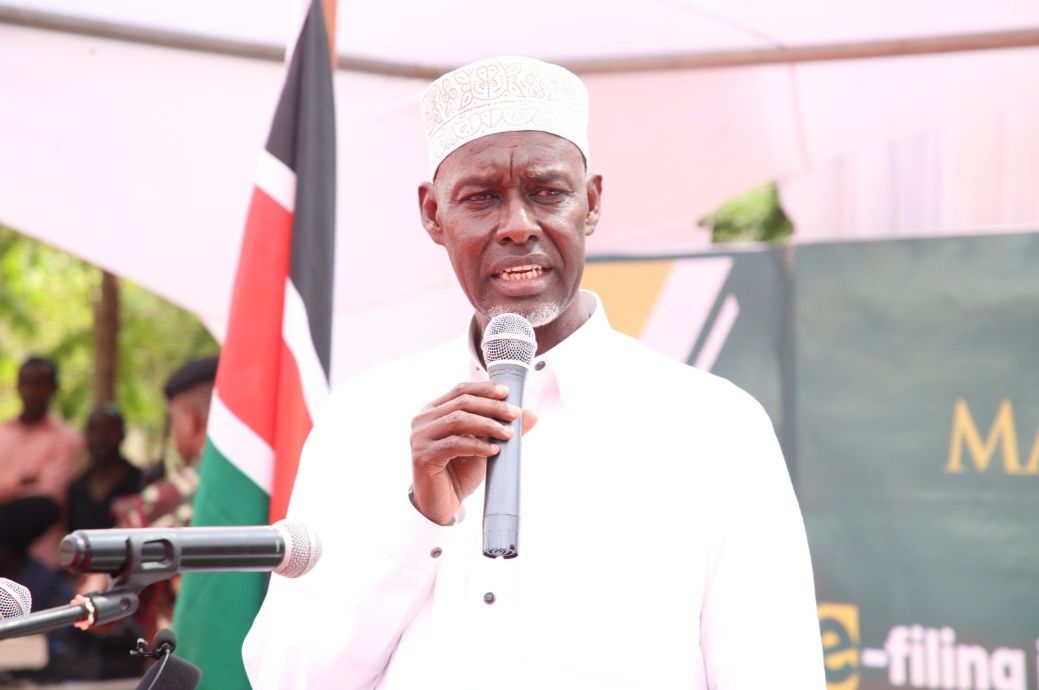
Justice Mohammed Abdulahi Warsame’s nomination to the Supreme Court marks the latest step in a judicial career spanning advocacy, High Court service, appellate adjudication and institutional leadership within the Judiciary.
The Judicial Service Commission nominated Warsame for appointment as a judge of the Supreme Court following interviews held on April 28 and 29, 2026, to fill the vacancy left by the death of Justice Mohammed Ibrahim.
Warsame, currently a judge of the Court of Appeal, is one of the more experienced judicial officers in the superior courts. His career has moved through several levels of Kenya’s legal system, beginning in private practice before his appointment to the High Court in 2003.
He later served in the Commercial Division, Criminal Division and Judicial Review Division of the High Court before being elevated to the Court of Appeal in 2012.
Academically, Warsame holds a Bachelor of Laws degree from the University of Nairobi and a Diploma in Law from the Kenya School of Law. Before joining the bench, he practised as an advocate of the High Court of Kenya, experience that would later inform his work in both trial and appellate courts.
At the High Court, Warsame handled commercial disputes, criminal matters and judicial review proceedings, giving him exposure to disputes touching on public power, administrative action, private rights and criminal justice. His record has often been associated with case clearance, with the Judiciary noting that he had an impressive record in clearing matters before his court.
Beyond deciding cases, Warsame has also played a role in judicial administration and penal reform. As chairman of the Community Service and Probation Committee, he is credited with overseeing the release of more than 7,000 petty offenders from prisons across the country, an intervention linked to the promotion of non-custodial sentences and prison decongestion.
His institutional role expanded further in 2013 when Court of Appeal judges elected him to represent them at the Judicial Service Commission under Article 171 (2) (c) of the constitution.
During his time at the JSC, he served in the Finance and Administration Committee and the Human Resource Committee, placing him at the centre of internal governance, staffing and administrative oversight in the judiciary.
Warsame has sat on panels that dealt with politically and constitutionally significant disputes. In 2018, he was part of the Court of Appeal bench in the Machakos gubernatorial election petition involving Alfred Mutua. The appellate court, in a bench comprising Justices Ouko, Warsame and Gatembu Kairu, overturned the High Court decision and held that the Machakos gubernatorial election had not been conducted in accordance with constitutional principles, directing that a fresh election be held. That decision was later challenged at the Supreme Court.
In another major electoral dispute, Warsame sat on the Court of Appeal bench that heard the petition challenging Charity Ngilu’s election as Kitui Governor. The matter, filed by former governor Julius Malombe, tested the evidentiary burden in gubernatorial election petitions. The bench comprised Justices Roselyn Nambuye, Mohamed Warsame and Otieno-Odek.
Warsame has also been involved in public law and land-related disputes. In Market Plaza Limited v Commissioner for Lands and others, he sat on a Court of Appeal bench that considered a judicial review dispute touching on land administration, legitimate expectation, natural justice and the exercise of public authority. The matter reflected the kind of administrative law questions that frequently reach the appellate courts.
His name is also linked to the long-running litigation over representation of judges in the JSC. In 2018 and 2019, cases were filed over whether an elected representative of Court of Appeal judges required National Assembly approval before assuming office as a JSC commissioner. The High Court considered whether Justice Warsame, as the elected representative, automatically became a member of the JSC upon election by judges of the Court of Appeal.
If formally appointed, Warsame will join the Supreme Court at a time when Kenya’s apex court continues to shape jurisprudence on elections, devolution, public finance, human rights, judicial independence and constitutional interpretation.
His nomination places before the court a judge whose career has combined courtroom experience, appellate decision-making and internal judicial governance.
For Warsame, it is a transition from the country’s second-highest court to the final judicial forum, where his decisions will help define the direction of Kenyan constitutional law for years to come.
Follow our social media pages for breaking news updates, in-depth stories and videos.
news@nairobilens.ke