

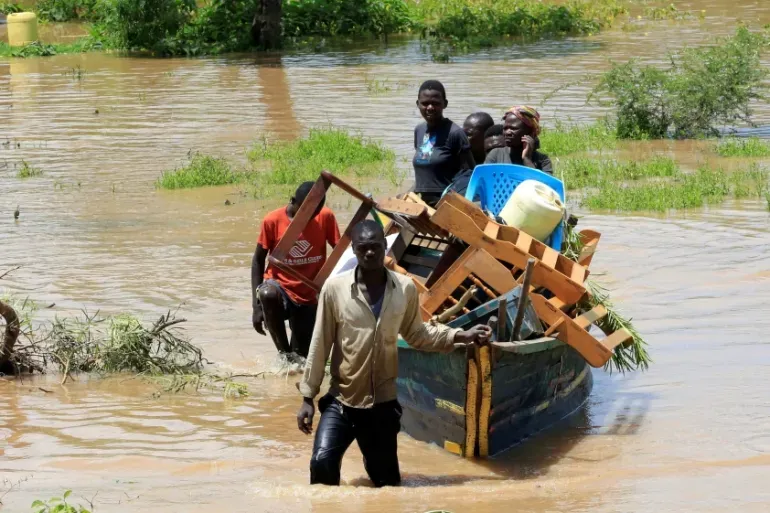
Residents living along the Lower Tana River have been urged to move to safer areas as heavy rains upstream push water levels in the Seven Forks dams closer to overflow levels.
In a statement issued on Wednesday, the Ministry of Interior warned that communities in low-lying areas, especially in the Tana Delta, face an increased risk of flooding in the coming days as water volumes continue to rise along the Tana River.
The ministry said heavy rainfall in the upper Tana region, including areas around Mount Kenya, had caused a sharp rise in inflows into the Seven Forks dams, raising concern over possible flooding downstream.
“Residents living along the Lower Tana River, especially in the Tana Delta, are being urged to stay alert as river levels continue to rise, increasing the risk of flooding in the coming days,” the statement said.
According to the ministry, water levels in key reservoirs, including Masinga Dam, have risen significantly following sustained rainfall in the catchment areas. The rising levels have prompted controlled water releases at Kamburu, Gitaru and Kindaruma dams as authorities move to manage pressure within the dam system.
However, the ministry warned that the situation could worsen if heavy rains continue or if Kiambere Dam reaches full capacity. In such a scenario, more water could be released downstream, increasing the threat to settlements, farms and livestock in areas located along the river.
“To manage the situation, controlled water releases are already taking place at Kamburu, Gitaru, and Kindaruma dams,” the ministry said.
It added that “if rainfall continues or if Kiambere Dam reaches its limit, more water may flow downstream, raising the risk of flooding in affected areas.”
The warning is particularly significant for residents in Garissa, Hola and Garsen, which have been identified among areas likely to experience serious flooding if river levels continue rising.
The ministry said water levels along the Tana River were expected to begin rising steadily from Wednesday, April 29. By Friday, May 1, the levels could rise further, with early flooding likely in low-lying parts of the lower basin and the Tana Delta.
The highest risk period is expected between Saturday, May 2 and Sunday, May 3, when water levels could peak and trigger widespread flooding.
“The highest risk period is expected between May 2 and May 3, when water levels could peak and cause widespread flooding in areas such as Garissa, Hola, and Garsen,” the statement said.
The ministry further cautioned that floodwaters may spread across nearby floodplains and delta regions, posing danger to homes, roads, farms, livestock and public infrastructure.
Residents in flood-prone areas have been advised to take early precautionary measures rather than wait until water levels become dangerous. The ministry urged those living near the river to move to higher ground where possible, relocate livestock and secure essential belongings.
Members of the public have also been warned against crossing rivers or walking through flowing water, as floodwaters can rise quickly and sweep away people, animals and vehicles.
“Taking early action can help save lives and reduce damage,” the ministry said.
The advisory comes amid continued heavy rains in several parts of the country, with authorities urging residents in vulnerable areas to follow official updates from local administrators and emergency response teams.
Local leaders, security teams and disaster management officers are expected to monitor the situation closely over the coming days, especially in areas historically affected by flooding along the Tana River basin.
The ministry has called on residents to remain calm but vigilant, saying early movement away from high-risk zones could reduce casualties and prevent loss of property if the river bursts its banks.
Follow our social media pages for breaking news updates, in-depth stories and videos.
news@nairobilens.ke