
The government has identified 18 counties facing the highest risk from El Niño, warning that floods, landslides, disease outbreaks, drought and damage to infrastructure could hit parts of the country from October.
Nairobi, Mombasa and Kisumu are among the major urban centres placed on high alert as authorities step up preparations for heavier-than-normal rainfall expected later this year.
The Kenya Meteorological Service Authority says there is an 81 per cent chance that the developing El Niño event will be strong, with a 97 per cent probability that its effects will persist into early next year.
A national risk assessment prepared by the National Disaster Operations Centre (NDOC) has identified the Coast, Lake Basin, Rift Valley and North Eastern regions as some of the most vulnerable areas.
At the Coast, Tana River, Kilifi, Lamu, Mombasa and Kwale face the risk of flooding, storm surges, coastal erosion and damage to infrastructure.
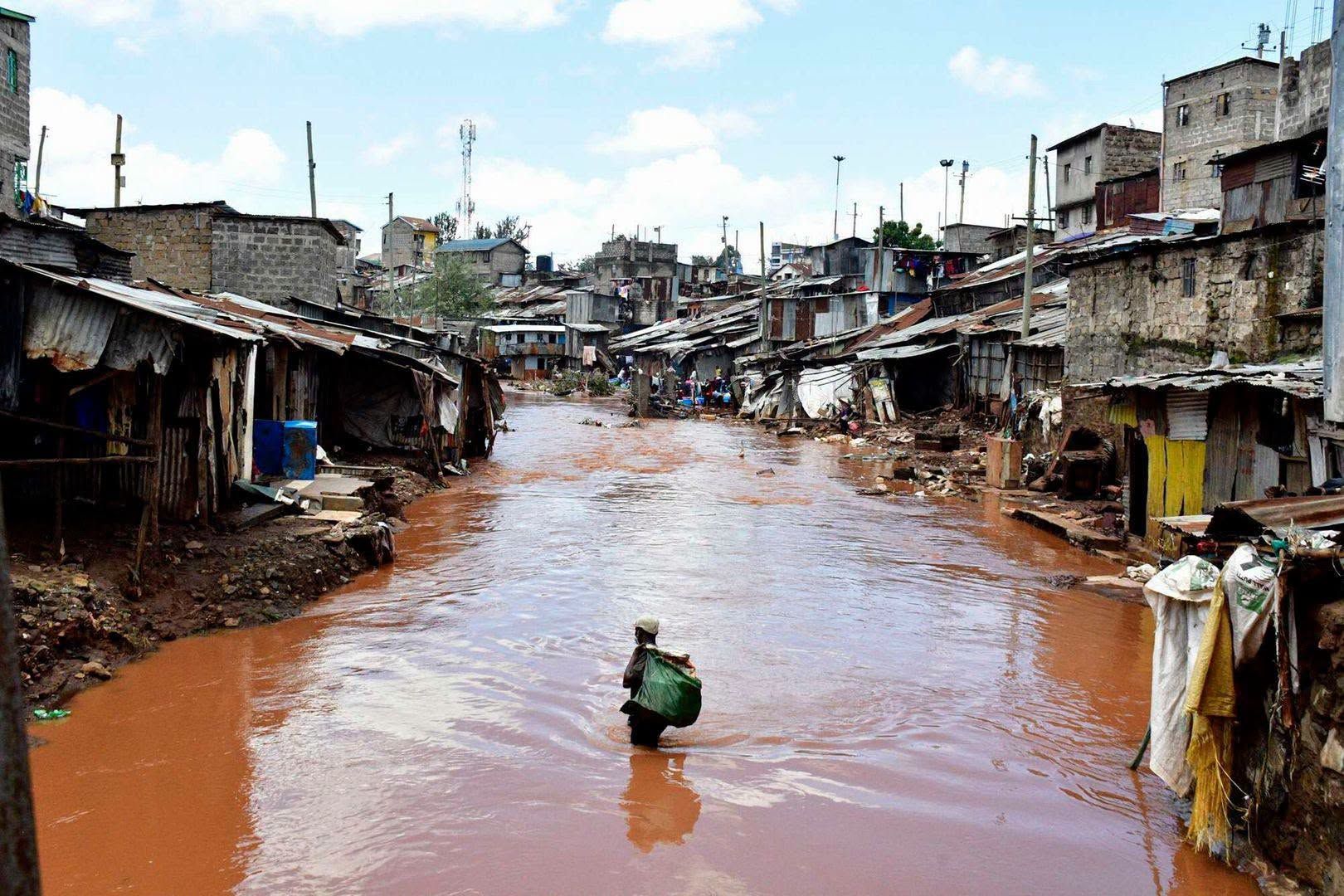
Some communities could also be displaced if rivers burst their banks or low-lying areas are flooded.
In the Lake Basin, Kisumu, Busia, Siaya, Homa Bay and Migori could experience flooding, landslides, disease outbreaks and displacement.
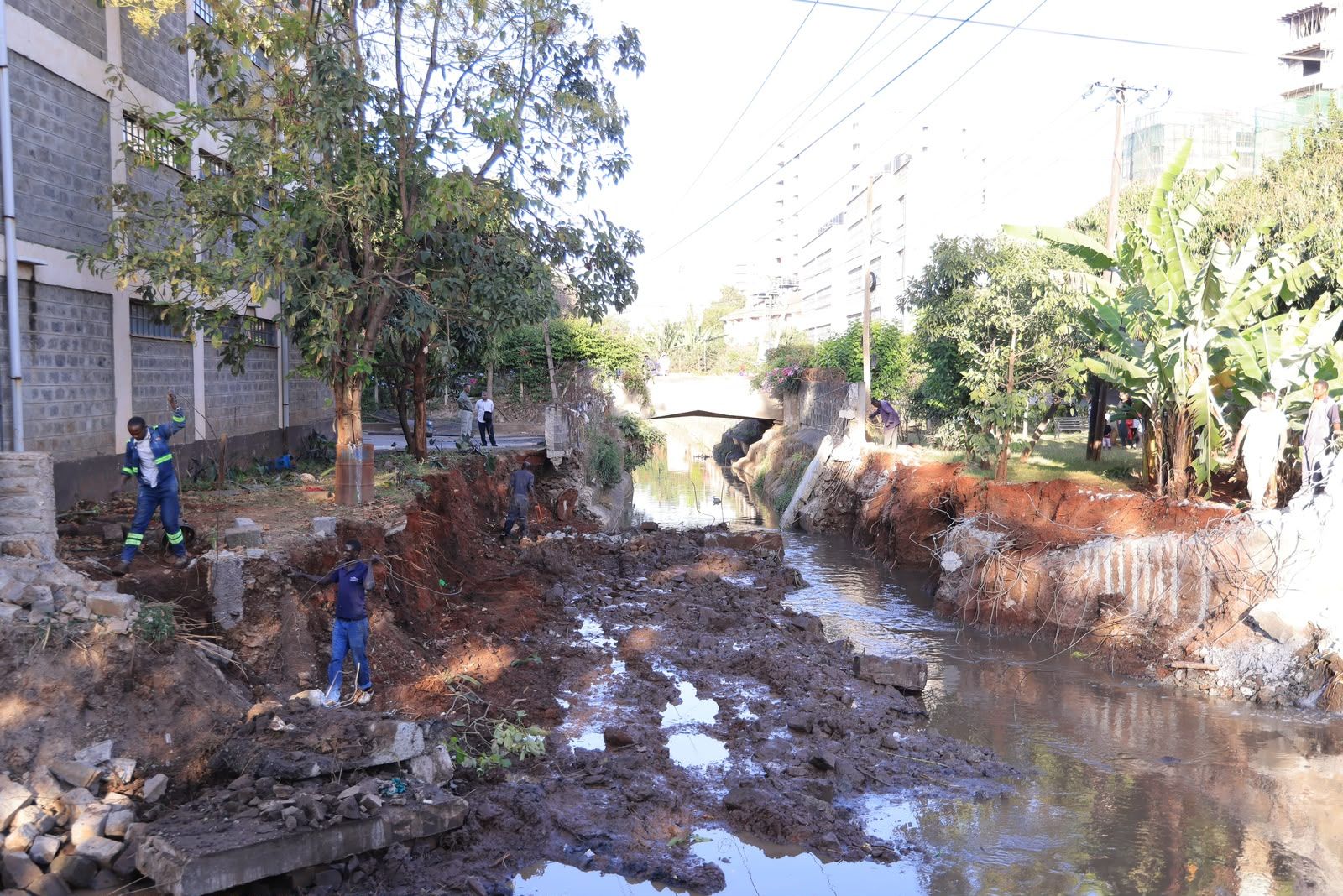
Nairobi, Mombasa and Kisumu face a different set of urban risks, including flash floods, blocked drainage systems, pressure on infrastructure and disruptions to essential services.
The government has also warned that the El Niño period may not bring heavy rainfall everywhere.
In the Rift Valley, Turkana, Baringo, West Pokot and Narok are facing risks ranging from flash floods and landslides to drought, livestock losses and food insecurity.
Garissa, Wajir and Mandera in North Eastern Kenya have been flagged for possible drought, water shortages, poor pasture, livestock losses and food insecurity.
“The identified counties have been prioritized in the response planning based on their vulnerability to various risks,” the government said.
Authorities said more counties could be added to the list if experts identify additional areas facing significant danger as weather patterns become clearer.
The National Emergency Multi-Agency team and County Emergency Response teams have now been placed on high alert.
The teams are also being briefed on their roles and the action required should floods, landslides or other emergencies occur.
The government says the early preparations are aimed at reducing loss of life, displacement and damage to roads, homes and other critical infrastructure.
Attention is also expected to focus on communities where extreme weather could disrupt food production, water supply, livestock and access to essential services.
El Niño is associated with shifts in global weather patterns and has historically brought unusually heavy rainfall to parts of East Africa.
With above-normal rains expected from October, authorities are urging vulnerable counties to strengthen their preparedness before the onset of the wet season.
Follow our social media pages for breaking news updates, in-depth stories and videos.
news@nairobilens.ke