

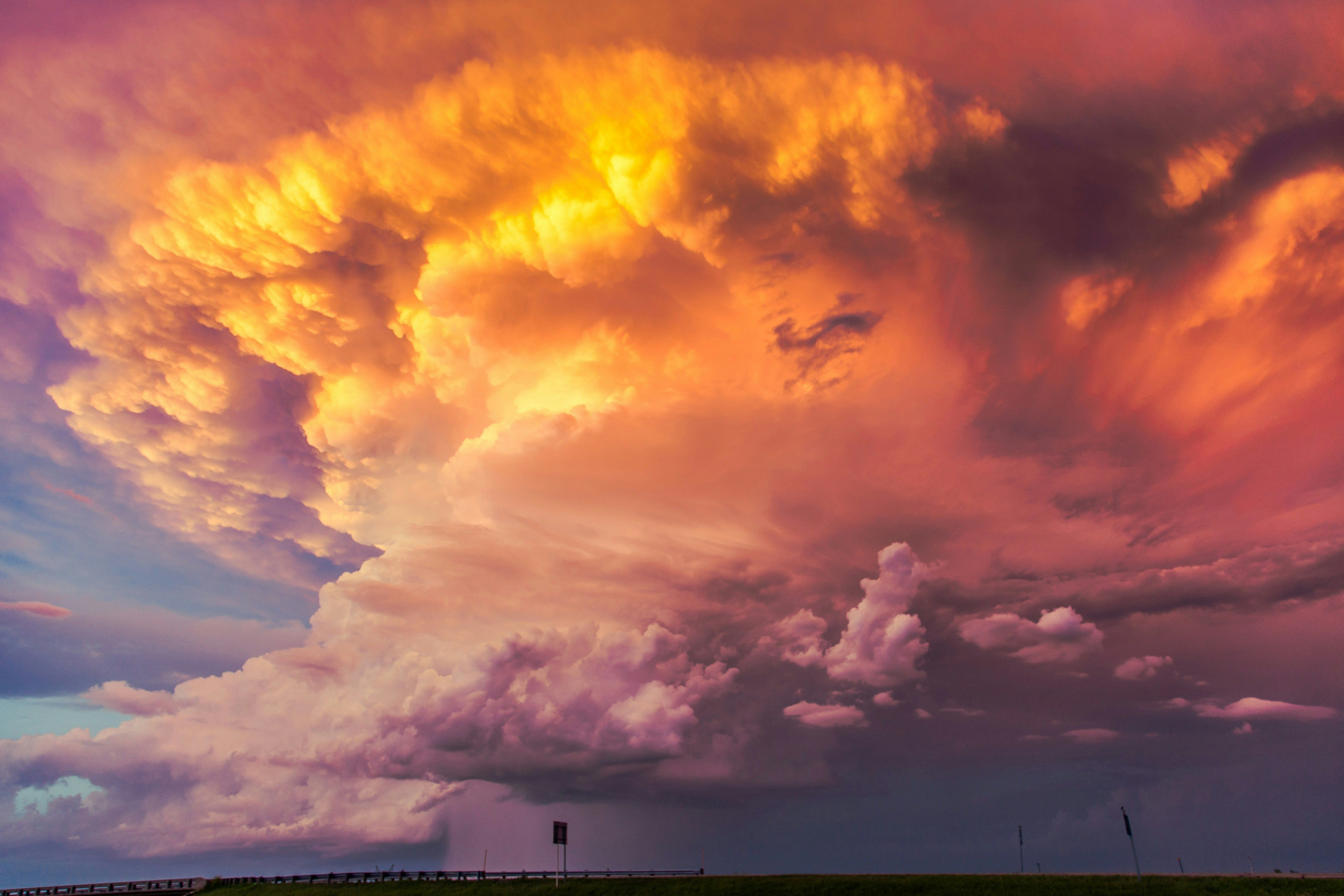
The Kenya Meteorological Department has warned of above-average rainfall across much of the country during the October-December short rains season as El Niño conditions strengthen, raising the likelihood of heavy rainfall events in some areas.
The latest outlook shows most counties are likely to receive enhanced rainfall, with the rains expected to begin at different times between September and late October depending on the region.
Counties expected to record above-average rainfall include Nairobi, Kiambu, Nakuru, Baringo, Bomet, Bungoma, Busia, Elgeyo-Marakwet, Embu, Garissa, Homa Bay, Isiolo, Kajiado, Kakamega, Kericho, Kilifi, Kirinyaga, Kisii, Kisumu, Kitui and Kwale.
Others are Laikipia, Lamu, Machakos, Makueni, Mandera, Meru, Migori, Mombasa, Murang’a, Nandi, Narok, Nyamira, Nyandarua, Nyeri, Siaya, Taita-Taveta, Tana River, Tharaka-Nithi, Trans Nzoia, Uasin Gishu, Vihiga and Wajir.
Much of West Pokot, Samburu and Marsabit is also expected to receive above-average rainfall.
Turkana and parts of West Pokot, Samburu and Marsabit are, however, forecast to receive rainfall ranging from near-average to above-average.
Kenya Met has cautioned that the wetter season could come with episodes of intense rainfall.
“Heavy rainfall events may occur in some areas,” the department says in its seasonal outlook, signalling the need for heightened preparedness in flood-prone areas.
The onset will not be uniform across the country. Some areas could begin receiving seasonal rains from September, while others will have to wait until between the second and fourth weeks of October.
In several regions, the rainy period is expected to extend beyond the traditional October-December season and continue into January.
Along the Coast, Mombasa, Kwale, Lamu, Kilifi and the Tana Delta are expected to see the rains begin around the second to third week of October.
The rains in those areas are forecast to cease around the first to second week of December.
The department is also projecting hotter conditions during the October-November-December season despite the expected increase in rainfall.
Warmer-than-average temperatures are particularly expected in Kwale, Mombasa, Kilifi and Lamu, as well as parts of Tana River, Taita-Taveta and Garissa.
The wetter outlook comes as climate indicators show a rapidly strengthening El Niño in the Pacific Ocean.
Kenya Met’s monitoring shows above-average sea-surface temperatures in the eastern Pacific, with the R-Niño 3.4 index remaining above the El Niño threshold since May.
The outlook points to a greater than 90 per cent likelihood of El Niño conditions during the October-December period, with the probability of the event reaching very strong levels placed at about 95 per cent.
International forecasts also indicate that El Niño is strengthening. The US Climate Prediction Centre said on August 13 that there was a greater than 90 per cent chance of a very strong event during the latter part of 2026 and early 2027.
Regional climate experts have similarly warned that the ongoing El Niño could intensify through the remainder of the year, increasing the chances of wetter-than-normal conditions across parts of East Africa. ICPAC says there is a 95 per cent chance of the event being classified as strong or very strong by late 2026.
Kenya Met, however, stresses through its seasonal forecasting approach that rainfall patterns can vary significantly between regions, meaning communities should continue following county-level and shorter-range weather advisories as the season approaches.
Follow our social media pages for breaking news updates, in-depth stories and videos.
news@nairobilens.ke