
Nairobi Governor Johnson Sakaja has formed a multi-agency response team and five specialised sub-committees to prepare the capital for the expected El Niño rains, with 227 flood hotspots already identified across the city.
The move is aimed at strengthening coordination between county and national agencies as Nairobi races to clear drainage systems, prepare emergency response teams and reduce the risk of flooding, displacement and destruction of property.
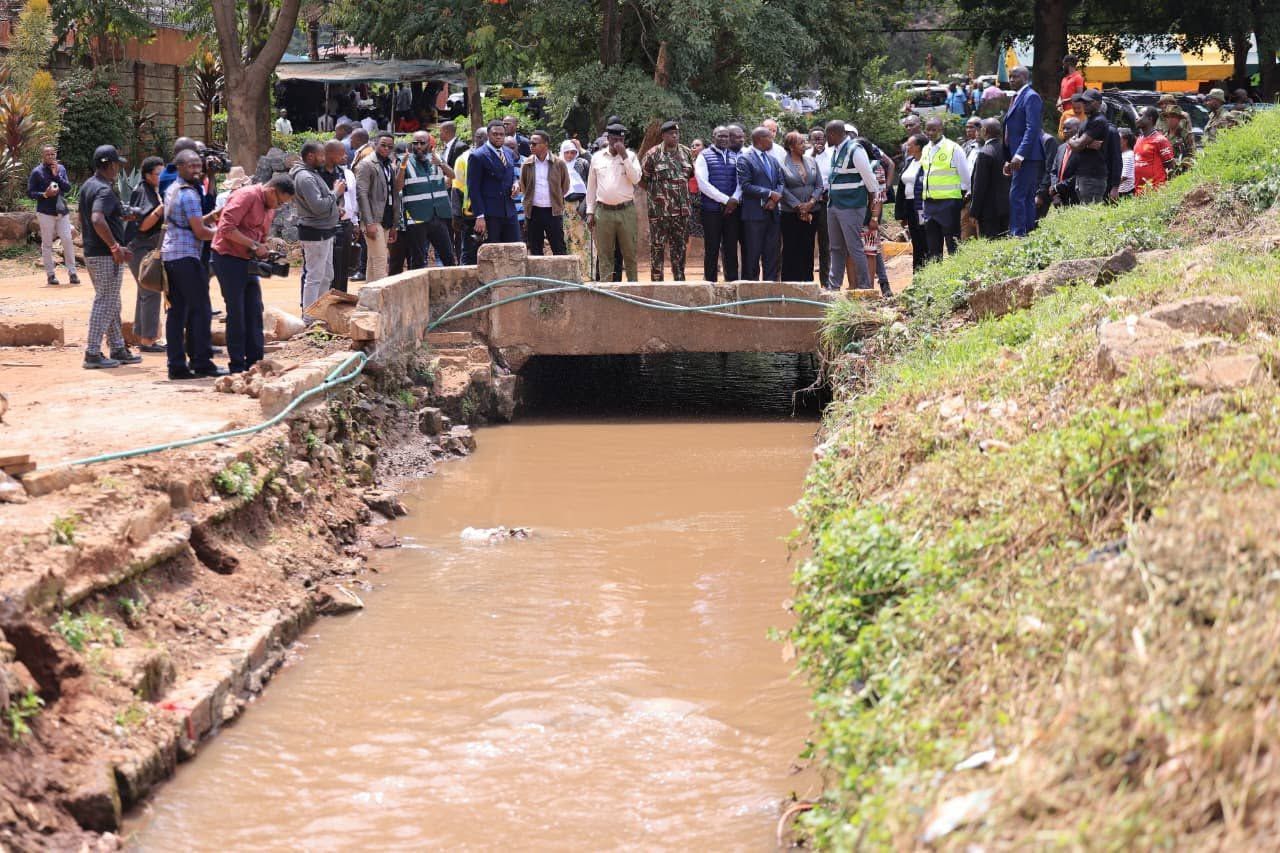
Sakaja convened the agencies at City Hall on Monday, bringing together the Kenya Red Cross, Kenya Urban Roads Authority (KURA), Kenya National Highways Authority (KeNHA), National Disaster Management Authority, Nairobi County Disaster Management Team, the county Environment Department and Nairobi Rivers Commission, among others.
“This calls for us to prepare together, act early and protect lives and property,” Sakaja said.
The five sub-committees will handle Infrastructure and Drainage; Emergency Response and Evacuation; Shelter and Relief; Security and Traffic; and Communication.
Under the arrangement, the teams will coordinate drainage clearance, rescue operations, evacuation, provision of temporary shelter and relief supplies, traffic management and security during emergencies.
The communication team will also be tasked with issuing early warnings and keeping Nairobi residents informed about areas considered unsafe during heavy rainfall.
City Hall said it has mapped 227 flood hotspots spread across Nairobi’s 17 sub-counties, giving emergency teams a clearer picture of areas that will require priority attention before and during the rains.
The hotspots will guide deployment of personnel, machinery and other resources as the county works to prevent a repeat of flooding incidents that have previously disrupted transport, damaged homes and businesses and forced residents from their houses.
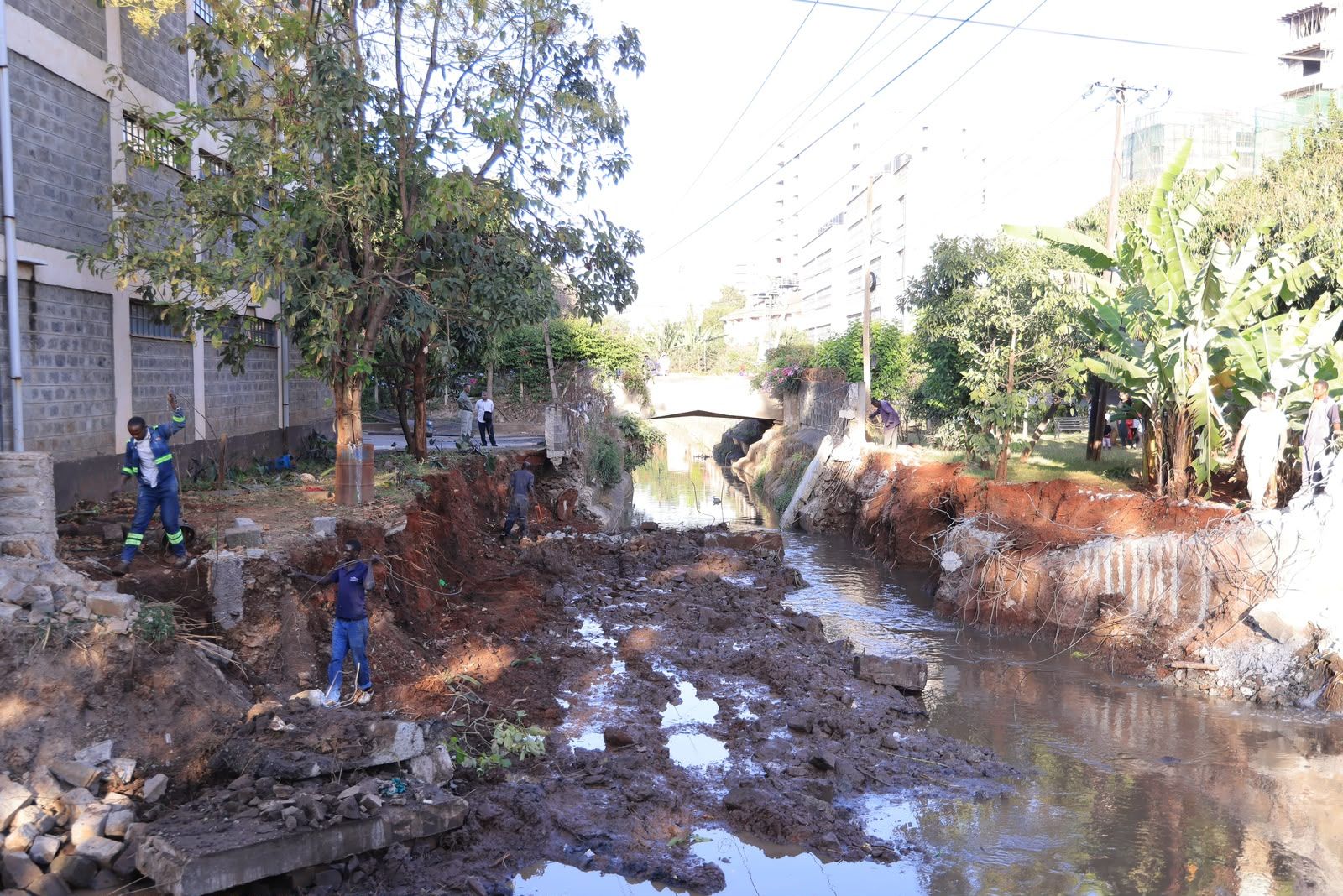
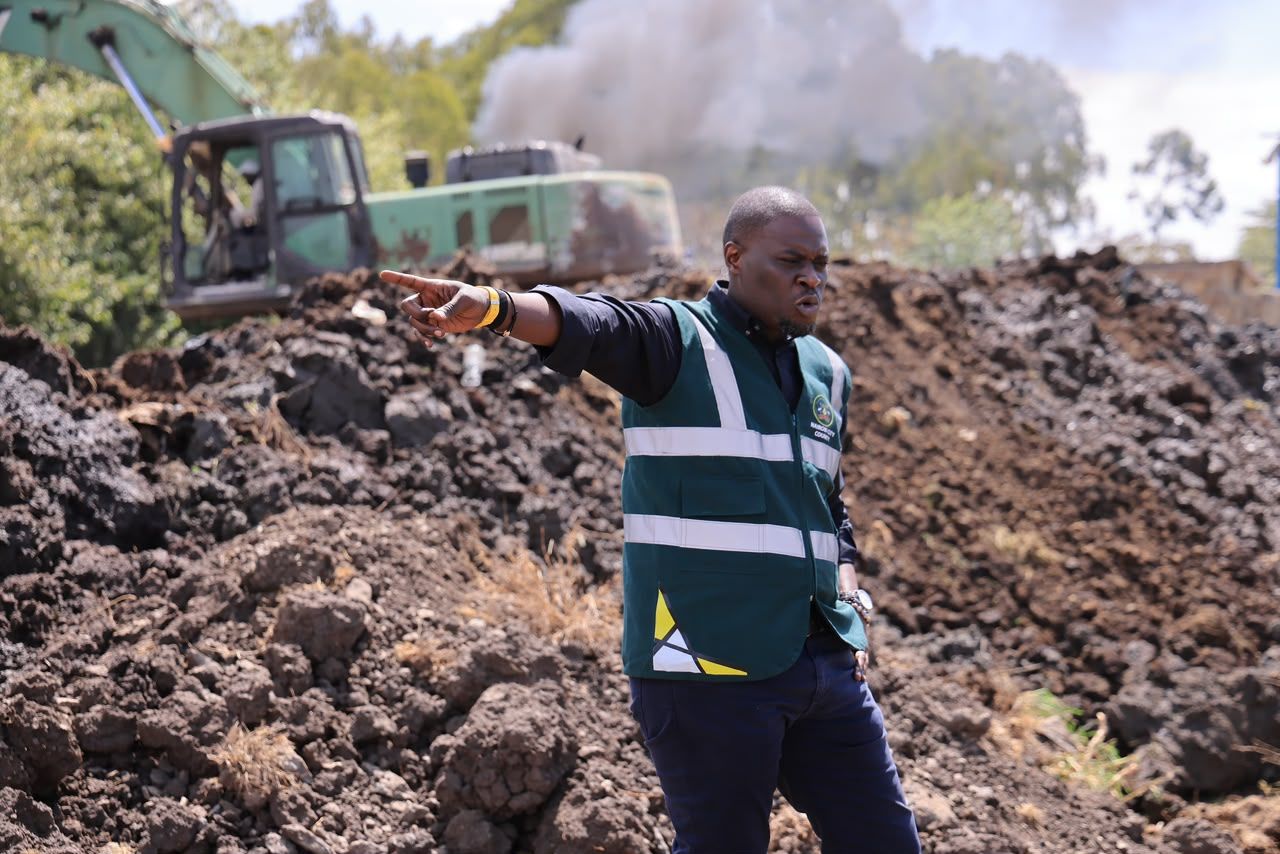
County teams are already mobilizing equipment and workers to clear blocked drainage channels, remove accumulated silt and dispose of waste that could obstruct the flow of storm water.
Residents and local residents’ associations are expected to play a role in the preparedness programme, particularly in identifying blocked drainage systems and other risks within their neighbourhoods.
Sakaja said the multi-agency structure was necessary because roads, drainage systems, rivers and other infrastructure within Nairobi fall under different authorities.
He said bringing the agencies together would help address jurisdictional gaps that have in the past complicated emergency response and flood-control efforts.
The governor said the priority was to ensure agencies do not operate in isolation when heavy rains begin.
The preparedness drive comes as authorities step up planning for the anticipated El Niño rains, which could expose low-lying settlements, areas with poor drainage and neighbourhoods near rivers to heightened flood risks.
Nairobi has for years struggled with flooding during periods of intense rainfall, with blocked drainage systems, construction on waterways and waste disposal frequently worsening the situation.
City Hall is now banking on early intervention and coordinated response to reduce the impact of the expected rains.
The county has urged residents to cooperate with authorities, avoid dumping waste into drainage channels and pay attention to official alerts as preparations continue.
Follow our social media pages for breaking news updates, in-depth stories and videos
news@nairobilens.ke