
President William Ruto’s directive to the National Transport and Safety Authority, NTSA, to allow matatu operators to continue using graffiti and artwork on Public Service Vehicles is more than a transport policy intervention. It is a cultural statement, an economic signal, and a regulatory test for a sector that has long lived at the intersection of creativity, chaos and public safety.
“Recognising the important role of creativity and self-
expression within our transport culture, I have directed
NTSA to facilitate an enabling environment for matatu
operators to continue utilising artwork and graffiti on their
vehicles in a manner that upholds safety and respect for
other road users,” said president Ruto.
Speaking after concerns from players in the matatu industry, the president said NTSA should create an enabling environment for operators to use artwork and graffiti, provided it is done in a manner that upholds safety and respect for other road users.
His intervention follows recent pressure on operators who had reportedly been required to strip vehicles of graffiti, decorative artwork and tinted windows.
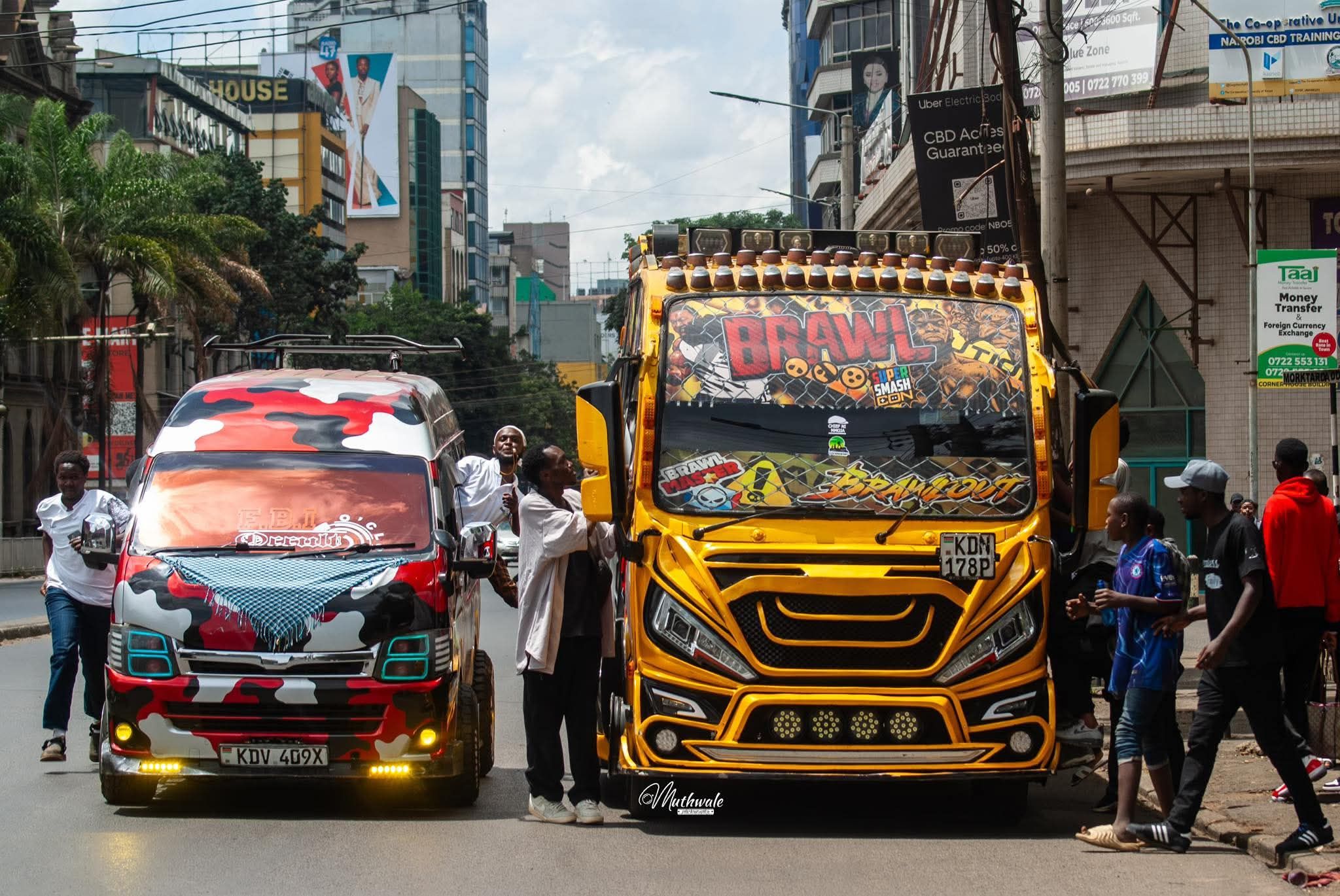
The directive will be welcomed by matatu owners, crews, artists, fabricators, sound technicians and young creatives who have built an entire economy around Kenya’s famous nganya culture.
For many urban commuters, especially in Nairobi, matatus are not just vehicles. They are moving murals, music spaces, pop culture billboards and expressions of youth identity.
But the President’s decision also reopens a serious question - where should the line be drawn between cultural expression and transport regulation?
Only recently, the High Court upheld the legality of NTSA’s directive requiring removal of graffiti, artistic designs and tinted windows from PSVs, finding that the restrictions were grounded in public safety considerations.
The petition challenging the enforcement notice had argued that the move was unconstitutional and discriminatory, but the court found the limitations reasonable in the interest of road safety.
That legal context matters. While matatu art deserves protection, road safety cannot be reduced to a nuisance regulation.
Visibility, identification, lighting, window tinting, passenger safety, speed control and driver discipline are not minor administrative concerns. They are life-and-death issues on Kenyan roads.
Ruto’s directive is politically popular and culturally resonant. But its success will depend on whether NTSA can regulate with intelligence, not hostility.
Follow our social media pages for breaking news updates, in-depth stories and videos.
news@nairobilens.ke