
Kenya has entered the final one-year stretch to the August 10, 2027 General Election, setting the stage for an intense political season in which the preparedness of the electoral commission, campaign financing, youth participation and the strength of competing political alliances will come under increased scrutiny.
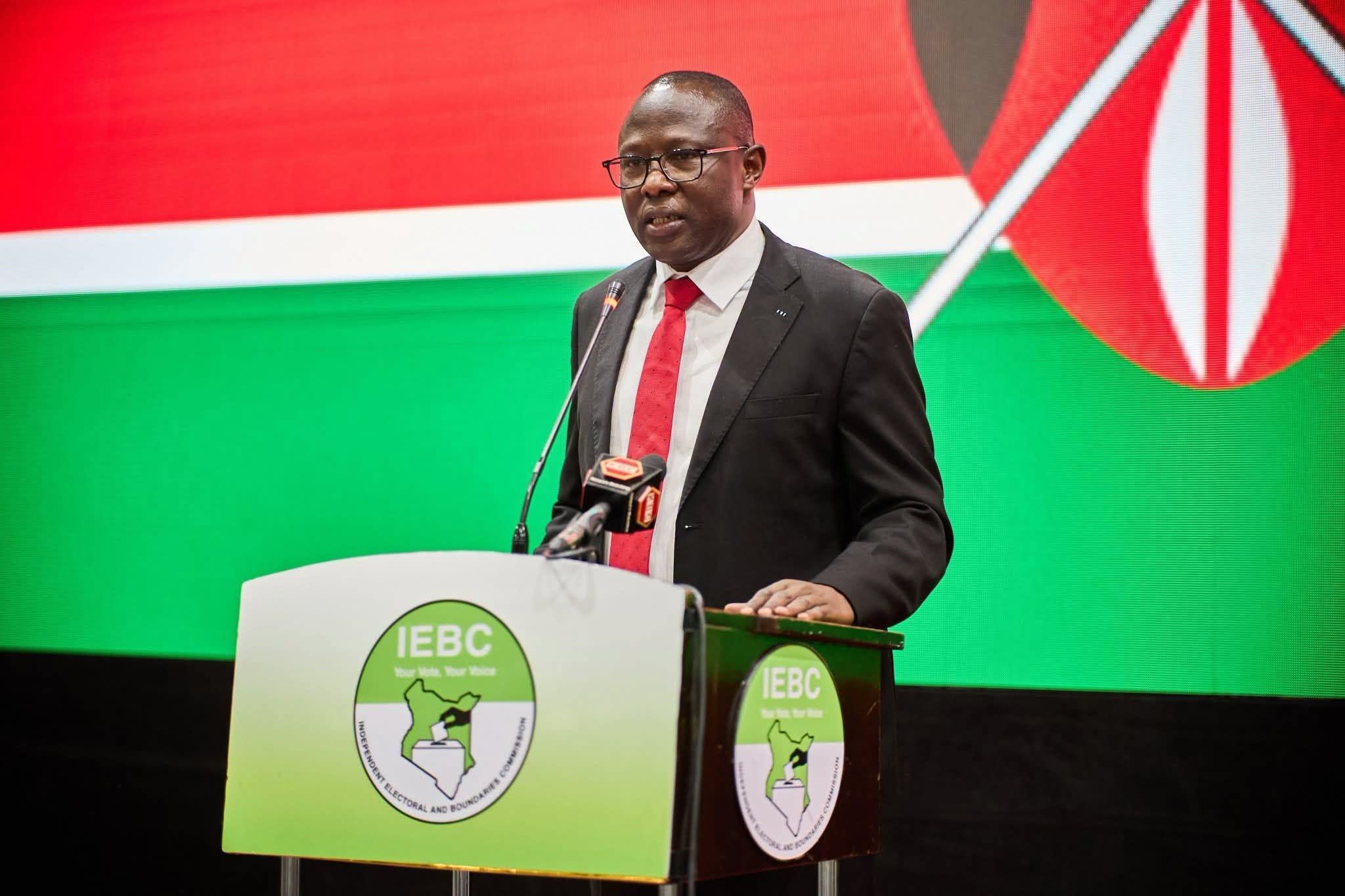
At the centre of the preparations is the Independent Electoral and Boundaries Commission (IEBC), which is grappling with a Sh33.5 billion funding shortfall at a critical stage of the electoral cycle.
Documents submitted to Parliament show that the commission requires about Sh74.8 billion over the three-year electoral cycle but has been allocated Sh41.3 billion, leaving a deficit that could affect election technology, staffing, voter registration and polling infrastructure if it is not addressed in time.
Funding is expected to remain a major point of discussion between the IEBC, the National Treasury and Parliament as the commission moves deeper into operational preparations.
IEBC chairperson Erastus Ethekon has previously warned that adequate resources will be central to the credibility of the polls.
“The credibility of the process will depend on institutional readiness, transparency and timely resourcing,” he told MPs earlier this year.
Campaign money will also be under the spotlight. The IEBC has gazetted the Election Campaign Financing Regulations, 2026, together with contribution and spending limits for candidates and political parties ahead of the 2027 election.
Under the framework, a presidential candidate will be allowed to spend up to Sh6.11 billion, an increase from the Sh4.43 billion contained in the earlier draft proposals.
Spending limits for governors, senators, woman representatives, MPs and MCAs vary according to the size and population of their respective electoral areas. Nairobi has some of the highest limits for county-level contests.
Beyond the electoral agency, political formations are also entering a decisive phase.
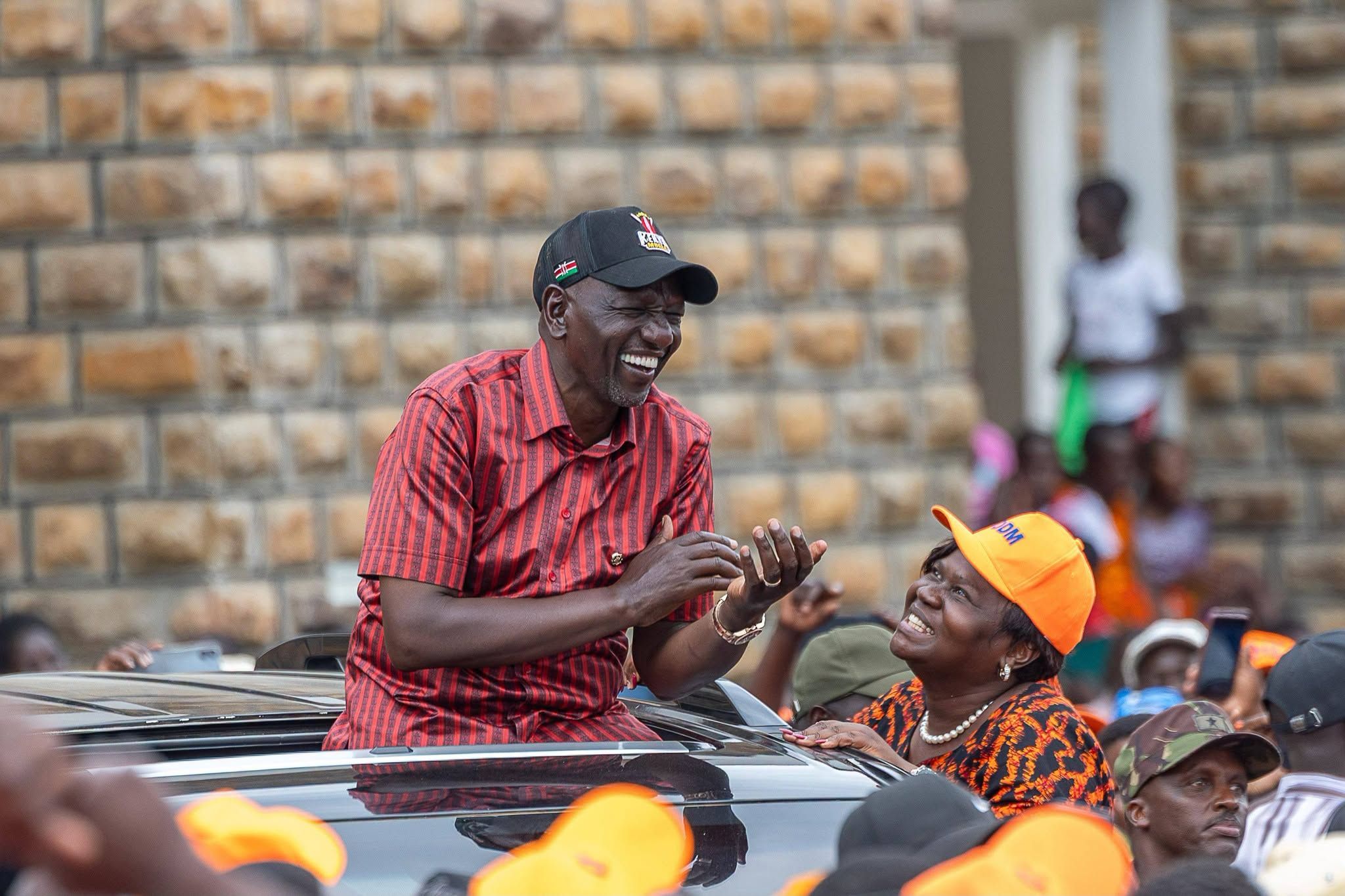
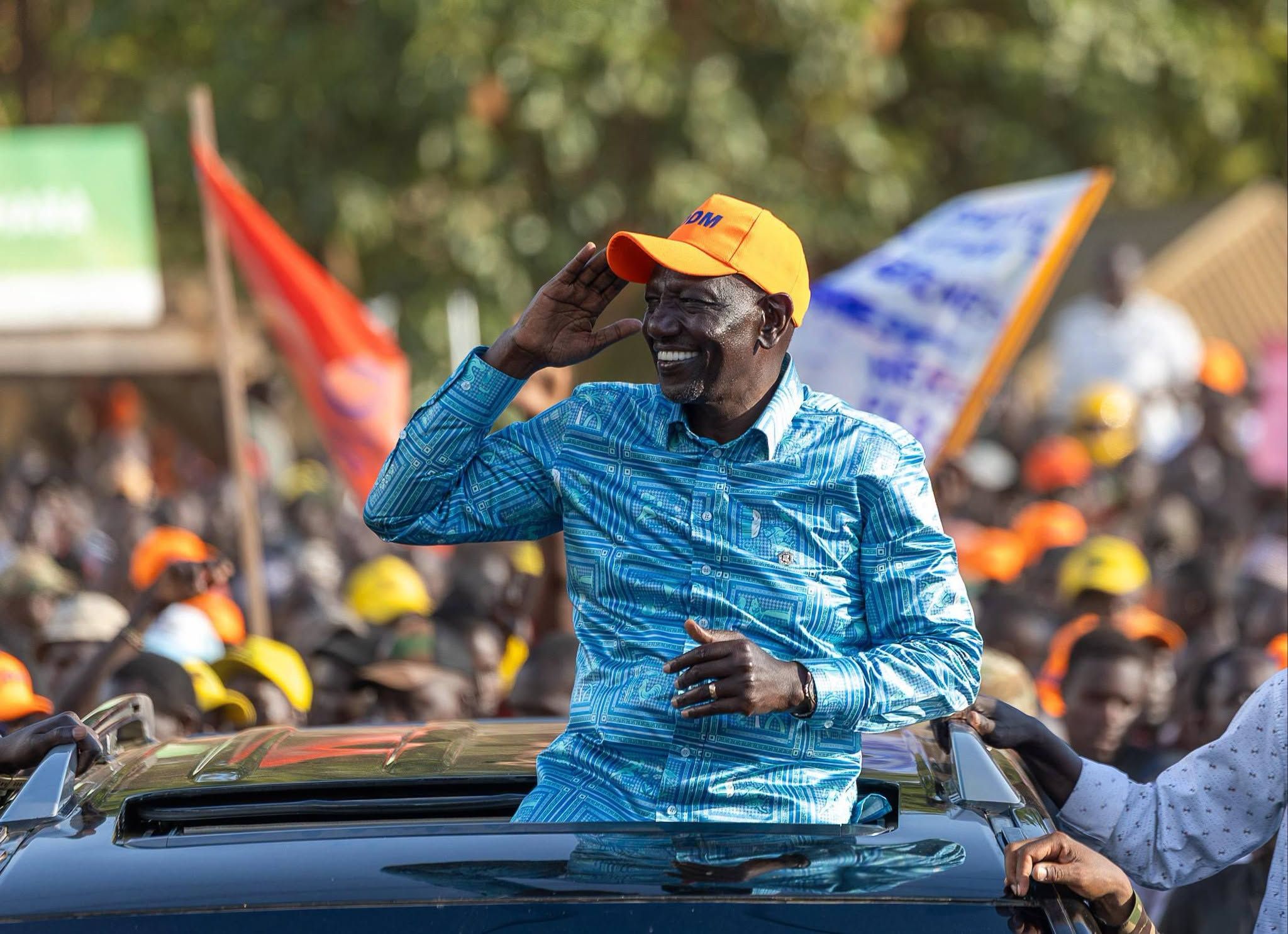
President William Ruto and ODM leader Oburu Oginga are leading a three-day retreat bringing together governors, deputy governors and MPs allied to the broad-based arrangement as the two sides seek to strengthen their cooperation ahead of 2027.
The Naivasha talks are expected to test how far the UDA-ODM cooperation can develop politically, with Ruto’s re-election strategy, ODM’s place in the arrangement and the sensitive question of a possible running mate among issues likely to shape negotiations.
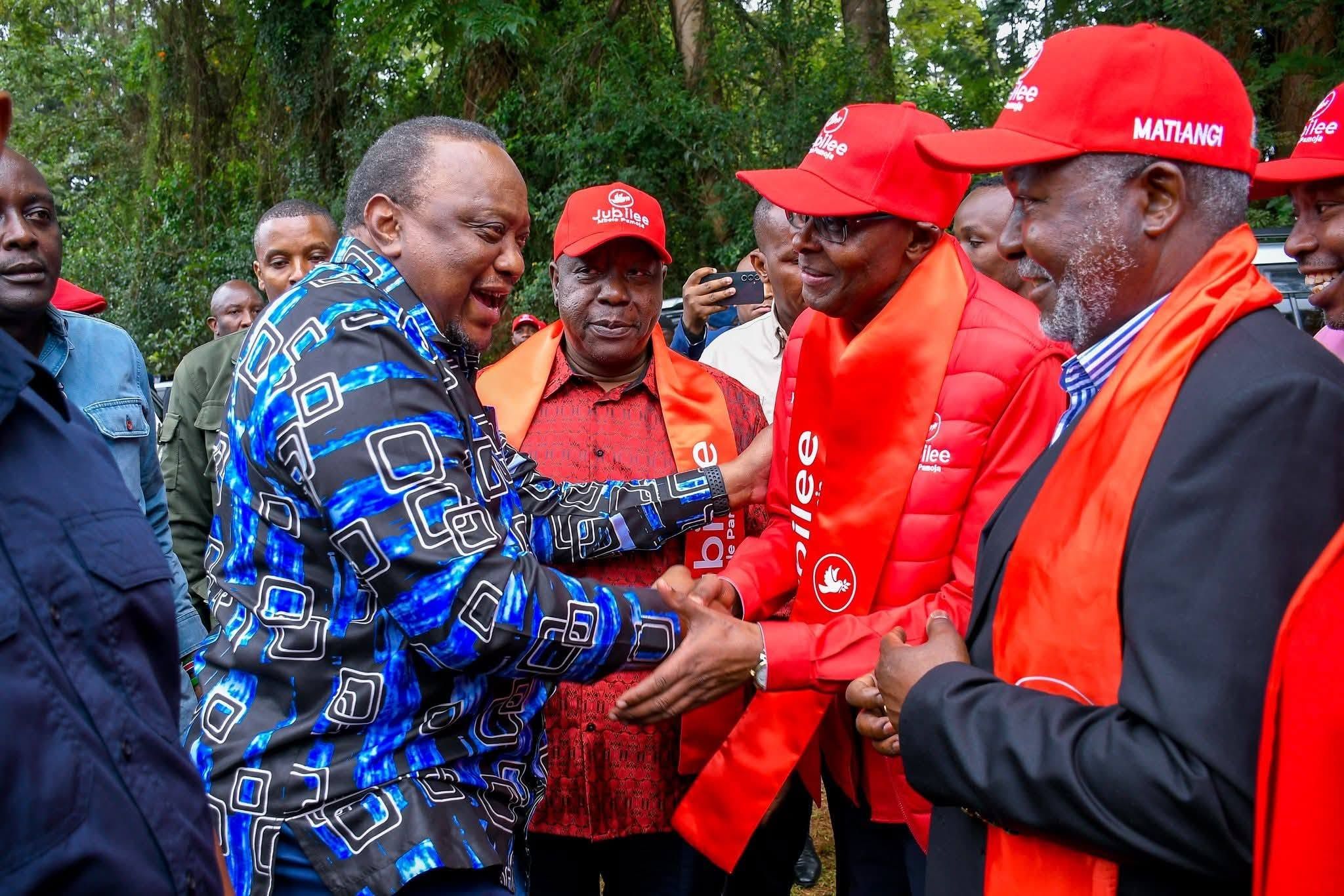
On the other side, the opposition faces its own challenge – turning a collection of presidential ambitions into a coherent electoral coalition.
Former Interior Cabinet Secretary Fred Matiang’i has rejected claims that disagreements among opposition leaders amount to a breakdown of the alliance, saying the coalition must first build a team before settling on its presidential candidate.
“You first form a team, then pick the captain, but you cannot pick the captain then form the team,” Matiang’i said.
However, he added that the opposition “does not have a coach, supervisor, high priest or somebody who is above everybody,” as he sought to play down apparent differences among its leaders.
Wiper leader Kalonzo Musyoka has meanwhile continued to make his case for the presidency.
“It’s about time we rescue this nation,” Kalonzo said while explaining why he believes Kenyans should elect him president.
Another major factor will be Kenya’s young voters.
Many of those politically awakened by the Gen Z-led protests of 2024 will be voting in a General Election for the first time in 2027. Continuous voter registration is ongoing, with the IEBC specifically calling on young Kenyans aged 18 and above to register.
The bigger question, however, will be whether political mobilization on the streets and online translates into registration and turnout at the ballot box.
With exactly one year remaining, the contest is therefore no longer simply about who wants to be president. The focus is increasingly shifting to whether the institutions, political alliances and voters themselves will be ready when Kenya goes to the polls.
Follow our social media pages for breaking news updates, in-depth stories and videos.
news@nairobilens.ke