
President William Ruto has said the government will step up negotiations with global pharmaceutical manufacturers to lower the cost of critical medicines, as Kenyans continue to struggle with the high price of treatment for cancer and other chronic diseases.
Ruto said he plans to engage the leadership of pharmaceutical giant Pfizer on ways of making life-saving medicines more affordable through bulk government purchasing.
The announcement followed concerns raised by Kenyans during the second and final day of the Kenya Health Summit in Nairobi, where participants said drugs used to treat non-communicable diseases remain prohibitively expensive.
“Quite a substantial amount of the medicine we are using in the country comes from Pfizer,” Ruto said during a session on Kenyans’ experiences with the implementation of Universal Health Coverage at the Kenyatta International Convention Centre on Wednesday.
“Our engagement with Pfizer would be on drugs being supplied collectively to many facilities rather than individually. There is power in negotiating as government,” he added.
Ruto said the government would use the size of Kenya’s patient population and its purchasing power to negotiate better prices with pharmaceutical companies.
He cited a 2025 partnership between the Ministry of Health and Roche East Africa, which reduced the cost of Herceptin, or trastuzumab, a drug used in the treatment of breast and gastric cancers, from Sh120,000 to Sh40,000 per treatment session.
“Our argument was that we have a pool of patients, and therefore we need to benefit from economies of scale. They agreed to bring the price down substantially to a third of the original cost,” he said.
The President said a similar approach had been used in agreements involving the Council of Governors and medical equipment manufacturers, enabling hospitals to access modern equipment valued at Sh9.8 billion without direct cost to taxpayers.
Ruto also said the government would continue supporting local pharmaceutical manufacturing, which currently accounts for about 30 per cent of medicines supplied to the Kenyan market.
He said discussions were underway on how to reduce the cost of packaging materials for local drug manufacturers while protecting Kenya’s paper manufacturing industry.
“We have to find a win-win solution,” he said, noting that lowering production costs could ultimately make locally manufactured medicines more affordable.
The President also addressed the ongoing strike by nurses and clinical officers over pay, saying the national government would work with county governments and the Salaries and Remuneration Commission to resolve the dispute.
Council of Governors chairperson and Wajir Governor Ahmed Abdullahi welcomed the national government’s timely release of counties’ equitable share of revenue for the 2026/2027 financial year.
Abdullahi said delays by some counties in paying health workers were linked to challenges associated with the transition between financial years and delays in budget approvals by the Controller of Budget.
Ruto also announced that Kenya Medical Training College students are expected to qualify for full Higher Education Loans Board funding similar to university students once the Tertiary Education, Placement and Funding Bill currently before Parliament becomes law.
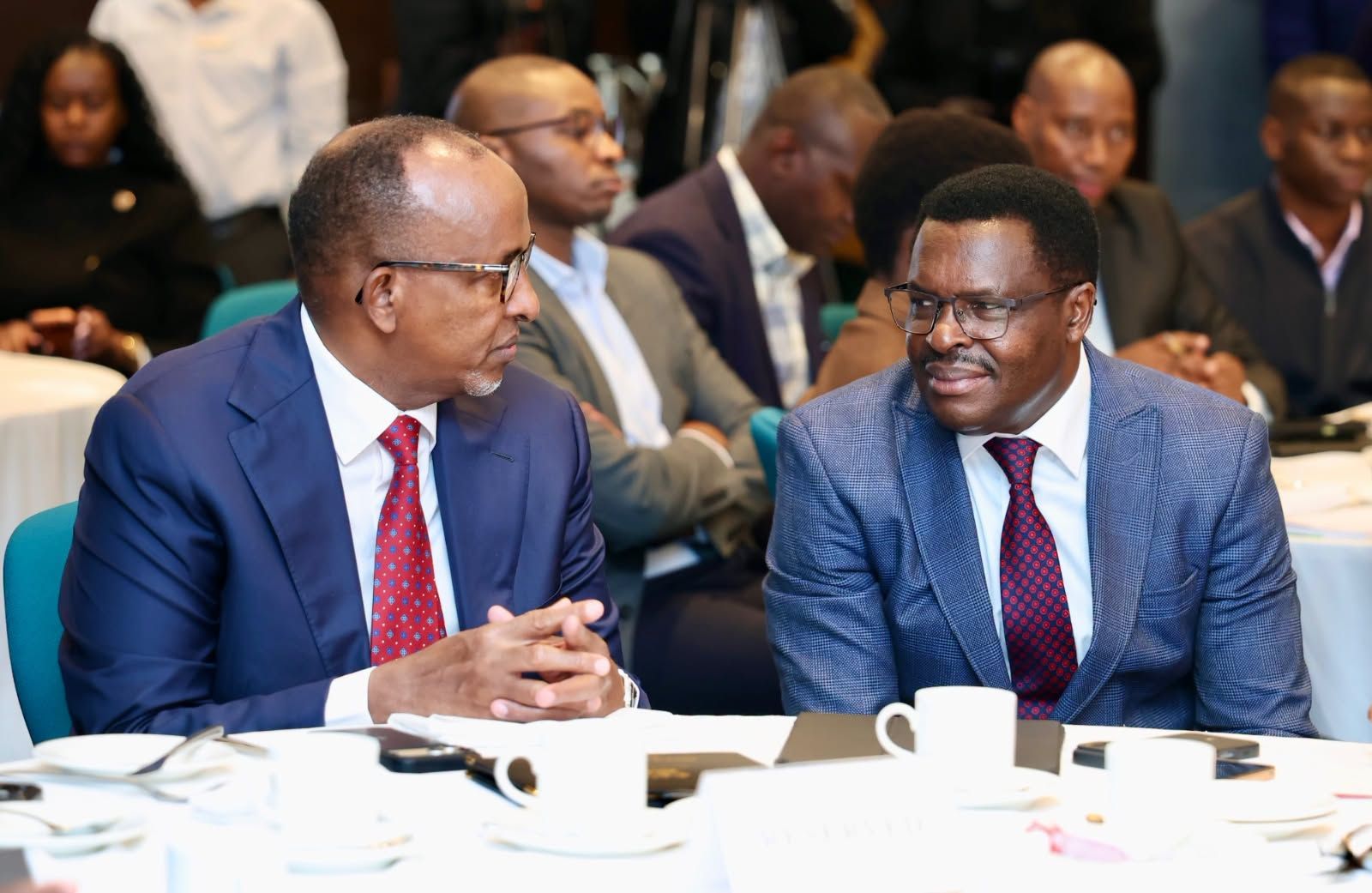
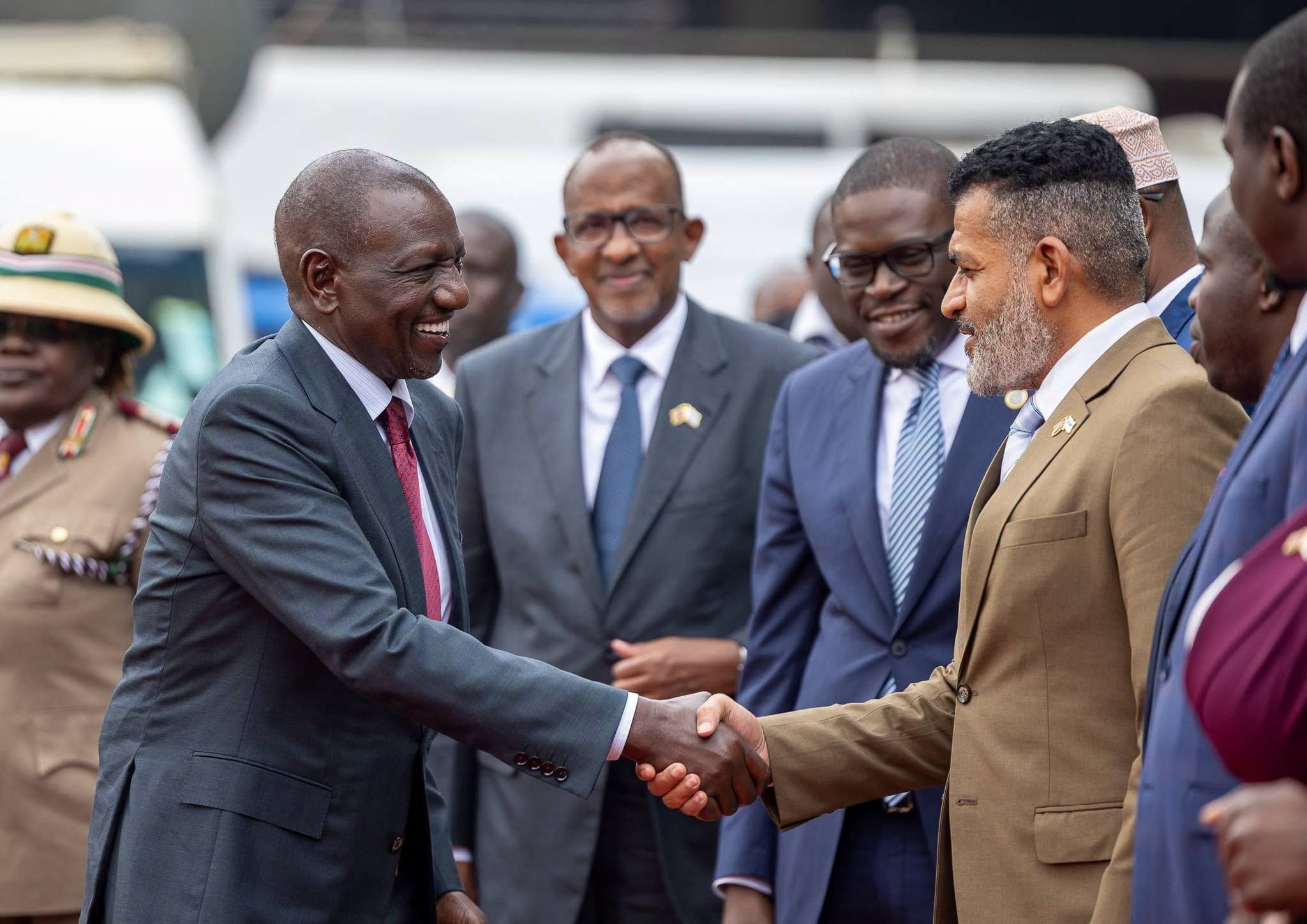
The President made the remarks while closing the inaugural Kenya Health Summit, which brought together national and county government officials and other stakeholders in the health sector.
Among those present were Health Cabinet Secretary Aden Duale, Mombasa Governor Abdulswamad Nassir, who chairs the Council of Governors Health Committee, and several Principal Secretaries.
Follow our social media pages for breaking news updates, in-depth stories and videos.
news@nairobilens.ke