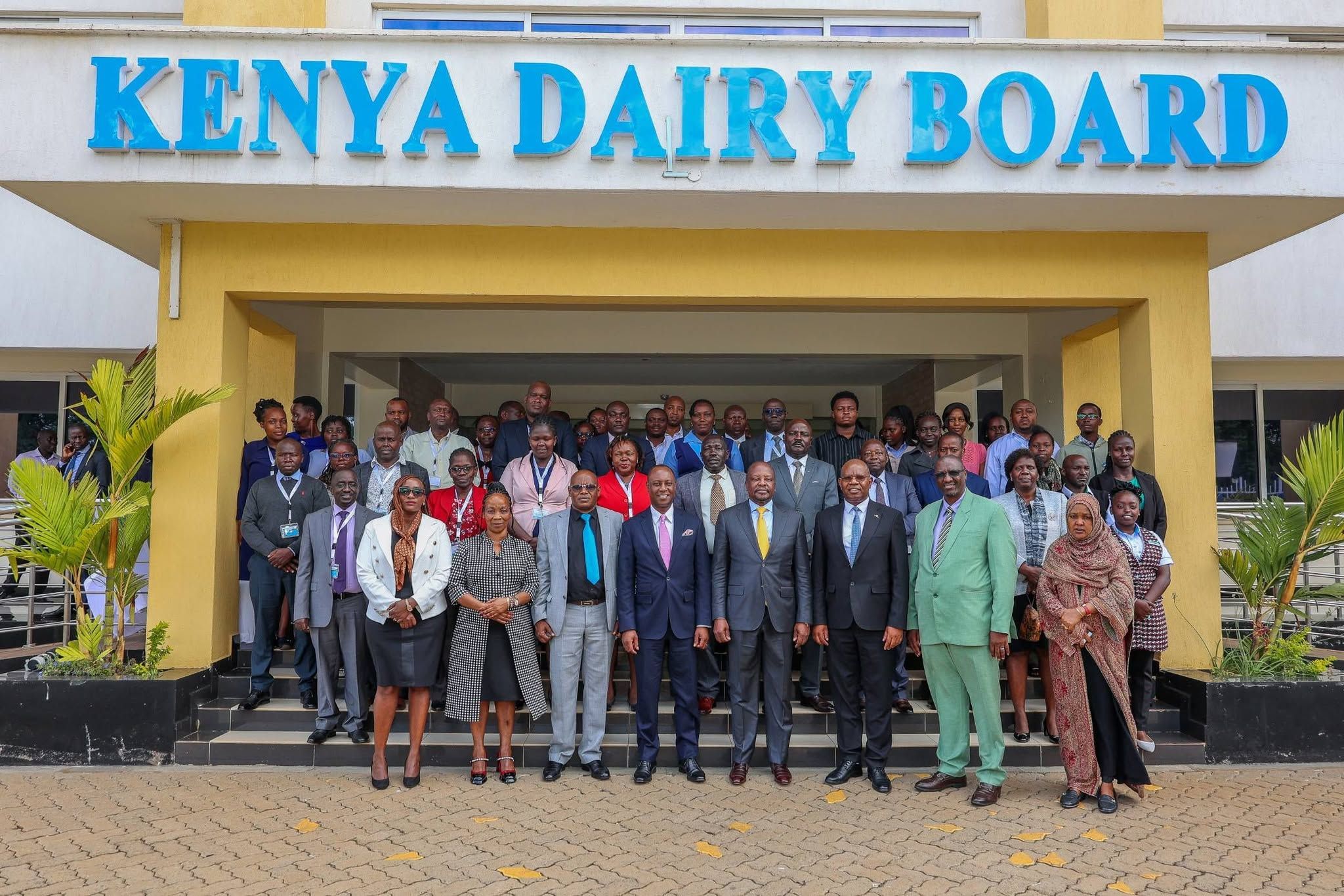

The Kenya Dairy Board (KDB) has moved to reassure consumers that milk remains available in the market despite supply shortages reported in parts of the country, as deliveries to processors continue to decline.
In a statement issued on Monday, September 1, the regulator said formal milk deliveries to processors fell by 3.7 per cent, from 84.4 million litres in June 2026 to 81.3 million litres in July.
The Board said August figures were still being compiled, but preliminary data pointed to a further decline in milk deliveries.
“Kenya Dairy Board wishes to reassure the public, consumers and dairy industry stakeholders that milk continues to be available in the market, despite temporary supply constraints being experienced in some parts of the country,” KDB said.
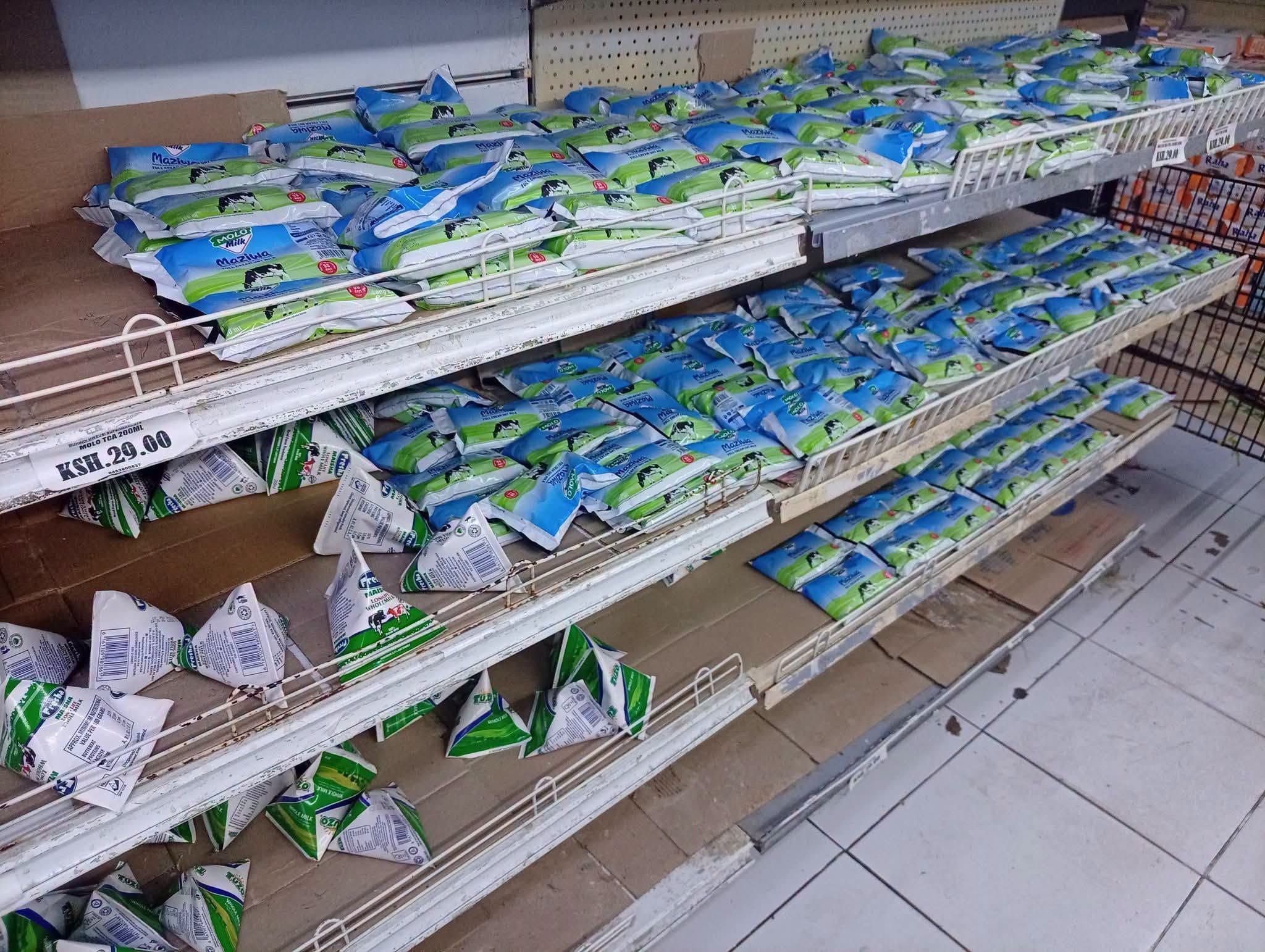
Market surveillance by the regulator has found varying levels of shortages across the country, including low stocks in shops, fewer brands and pack sizes on shelves and delays in replenishing supplies.
Pasteurized milk has been the most affected, while long-life products, including Extended Shelf Life (ESL) and Ultra-High Temperature (UHT) milk, remain more readily available.
Despite the reduced supply, KDB said retail milk prices have remained generally stable, although consumers in some areas experiencing shortages have reported increases.
“Retail milk prices remain generally stable, although some upward price movement has been observed in parts of the country experiencing supply constraints,” the Board said.
KDB attributed the current situation mainly to seasonal weather conditions, particularly dry and cold weather in key milk-producing regions, which has affected production.
The regulator, however, expects conditions to improve during the October-November-December rainfall season.
According to KDB, improved rainfall should help replenish pasture and fodder, easing pressure on dairy farmers and supporting a recovery in milk production.
“The outlook for the October-November-December 2026 rainfall season is expected to support recovery in pasture and fodder availability, leading to improved milk production and supply as conditions become more favourable,” the statement said.
The government is also rolling out interventions aimed at strengthening milk production and making the dairy value chain more resilient.
Among the measures are the procurement and distribution of milk coolers to improve milk aggregation and preservation, as well as support for dairy herd improvement through subsidized sexed semen.
KDB Managing Director Dr William Mariim said the Board would continue monitoring milk production, deliveries to processors, market availability and retail prices.
He said the regulator was also working with industry players to maintain continuity of supply.
“Consumers and stakeholders are therefore reassured that the current situation is temporary,” KDB said, adding that it would continue working under the Ministry of Agriculture and Livestock Development to ensure adequate and stable milk supplies.
Follow our social media pages for breaking news updates, in-depth stories and videos.
news@nairobilens.ke